Transfusion-associated graft-versus-host disease (TA-GvHD) is one of the most feared complications in transfusion medicine — with a mortality rate exceeding 90%. This in-depth guide explains what TA-GvHD is, why leukocyte filtration is the gold-standard prevention strategy, how leukocyte filters work at a clinical level, and what procurement teams and clinical directors must consider when selecting the right filter system for their facility.
Transfusion-associated graft-versus-host disease occurs when immunologically competent donor T-lymphocytes are transfused into a recipient who is unable to recognize and eliminate them. Once engrafted, these donor T-cells mount an immune attack against the recipient's own tissues — including the skin, gut, liver, and bone marrow — triggering a systemic inflammatory cascade that is almost universally fatal.
Unlike classic GvHD seen in stem cell transplantation, TA-GvHD is distinguished by its devastating effect on the bone marrow. Donor lymphocytes attack the recipient's hematopoietic stem cells, leading to profound pancytopenia. This destruction of blood-forming tissue is the primary reason why conventional immunosuppressive therapies — which are effective in transplant-related GvHD — almost always fail in the transfusion setting.
Key clinical facts:
• Reported mortality rate: 90–100%
• Onset: typically 4–30 days post-transfusion
• Symptoms: fever, skin rash, diarrhea, elevated liver enzymes, progressive pancytopenia
• At-risk populations include immunocompromised patients, neonates, patients with hematologic malignancies, and those receiving directed donations from blood relatives
Because TA-GvHD has no reliable treatment once established, clinical guidelines worldwide emphasize prevention as the exclusive management strategy. Two evidence-based approaches exist: gamma irradiation of blood components, which inactivates donor lymphocytes' ability to proliferate, and leukocyte filtration (leucoreduction), which physically removes white blood cells before transfusion.
While gamma irradiation remains the definitive method for high-risk patients such as those receiving directed family donations or granulocyte transfusions, leukocyte filtration has emerged as the most practical, scalable, and cost-effective solution for routine clinical use across the full spectrum of patient populations. Universal leukoreduction policies, now adopted by numerous national blood authorities including those in the UK, Canada, and much of Europe, reflect the medical consensus that reducing viable lymphocytes in blood products is the most reliable way to prevent this fatal complication.
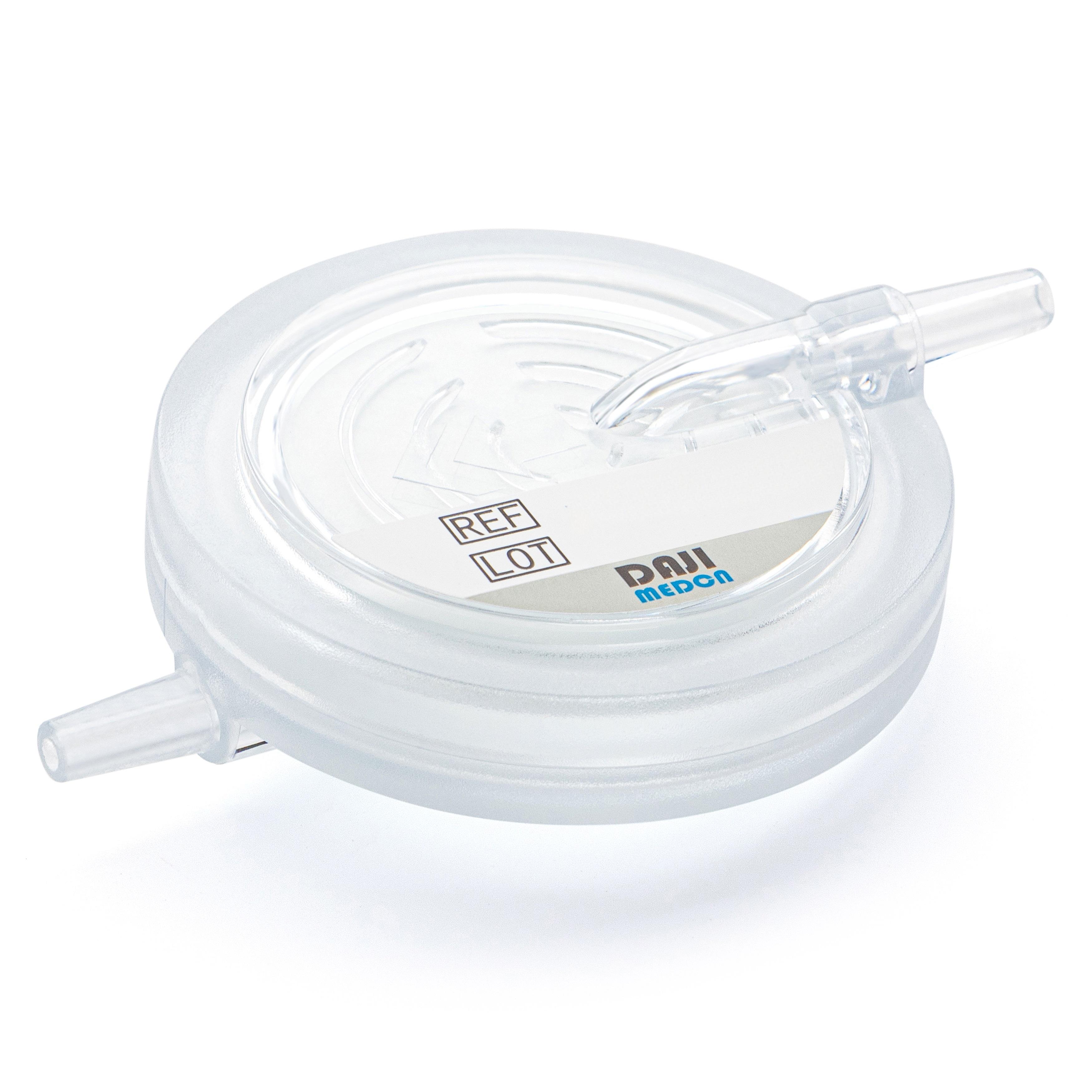
Leukocyte filters are specialized medical devices integrated into blood transfusion sets or used at the bedside and in blood banks to reduce the white blood cell (WBC) content of red blood cell concentrates, platelet concentrates, and other blood components. Understanding their mechanism is essential to appreciating their clinical value.
Modern leukocyte filters use polyester or synthetic fiber media compressed into dense, layered matrices. Two complementary mechanisms drive white cell removal:
• Size exclusion: Leukocytes (12–20 micrometers in diameter) are physically larger than red blood cells (6–8 micrometers) and are mechanically trapped within the fiber matrix as blood flows through under gravity or low pressure.
• Electrostatic and biochemical adsorption: Leukocyte cell membranes carry specific surface charge properties that cause them to adhere to the treated filter fibers. This adsorptive mechanism is particularly important for capturing smaller lymphocyte subtypes, including the T-lymphocytes that are the primary mediators of TA-GvHD.
Leukocyte filtration can be performed at two distinct stages:
• Pre-storage (laboratory) filtration: Performed within 24–72 hours of blood collection, before storage. This approach is preferred because it removes leukocytes before cytokine release begins during storage, reducing the accumulation of immunomodulatory mediators that may contribute to non-hemolytic transfusion reactions. Pre-storage filtration is considered the gold standard in countries with universal leukoreduction programs.
• Bedside (post-storage) filtration: Applied at the point of care immediately before or during transfusion. While effective at reducing WBC load, it does not eliminate cytokines already accumulated during storage and may be less consistent in performance if not used correctly by clinical staff.
Regulatory bodies including the Council of Europe, the FDA, and national blood authorities specify that a leukoreduced blood component must contain fewer than 1 × 10⁶ (one million) residual white blood cells per unit. High-performance filters designed for clinical use routinely achieve 3–4 log reductions in WBC count, bringing residual leukocyte levels well below this threshold — often to fewer than 10⁵ WBCs per unit.
It is important to note that while leukoreduction markedly reduces TA-GvHD risk, current regulatory standards do not guarantee 100% elimination of all viable lymphocytes. For patients at the highest risk — such as recipients of HLA-matched platelets, severely immunocompromised individuals, or recipients of directed family donations — irradiation in addition to filtration remains the recommended protocol.
Leukocyte filtration delivers a broad set of clinical benefits that extend well beyond TA-GvHD prevention, making it a valuable standard-of-care intervention in modern transfusion practice:
• Reduction of febrile non-hemolytic transfusion reactions (FNHTRs): Leukocytes and the cytokines they release during storage are the primary triggers of FNHTRs. Filtration substantially reduces their incidence, improving patient comfort and reducing the rate of unnecessary transfusion interruptions.
• HLA alloimmunization prevention: Leukocytes carry HLA antigens that can trigger antibody formation in recipients, leading to platelet refractoriness and complicating future transplantation. Leukoreduction significantly reduces this risk.
• CMV transmission risk reduction: Cytomegalovirus is transmitted via infected leukocytes. High-efficiency leukocyte filters are considered equivalent to seronegative blood selection for CMV-safe transfusions in many guidelines, providing an important safety benefit for immunocompromised recipients.
• Transfusion-related immunomodulation (TRIM) mitigation: Allogeneic leukocytes can suppress recipient immune function, a phenomenon associated with increased postoperative infections and potentially with cancer recurrence. Leukoreduction may attenuate this immunosuppressive effect.
While universal leukoreduction benefits all transfusion recipients, certain patient groups face significantly elevated TA-GvHD risk and must receive leukoreduced — and often irradiated — blood products:
• Patients with congenital or acquired immunodeficiency (severe combined immunodeficiency, DiGeorge syndrome, Wiskott-Aldrich syndrome)
• Hematopoietic stem cell transplant recipients (pre- and post-transplant)
• Patients receiving HLA-matched or crossmatched blood components
• Recipients of directed donations from biological relatives
• Neonates and premature infants receiving exchange or intrauterine transfusions
• Patients with Hodgkin lymphoma or those on certain immunosuppressive regimens (e.g., fludarabine-based protocols)
• Solid organ transplant recipients on intensive immunosuppression
For clinical procurement officers, transfusion medicine specialists, and hospital supply chain managers, selecting the appropriate leukocyte filter system requires evaluating several technical and operational parameters:
Always verify that a filter is validated to achieve the required residual WBC threshold (<1 × 10⁶ WBCs per unit). Look for products validated using standardized testing protocols such as those outlined by the AABB, EDQM, or ISO standards. Documented log-reduction performance data should be available from the manufacturer.
Ensure the filter is validated for the specific blood component being transfused. Red blood cell filters differ in design from platelet filters due to the distinct physical and rheological properties of each component. Using the wrong filter type can compromise both filtration efficiency and blood component integrity.
Effective leukoreduction must not come at the cost of excessive loss of therapeutic cells. High-quality filters are engineered to minimize red blood cell hemolysis and platelet activation, ensuring that the transfused component retains its full therapeutic value after filtration.
Pre-storage filtration systems must be compatible with existing blood collection, processing, and storage infrastructure. Bedside filters should integrate seamlessly with standard intravenous administration sets, minimizing the risk of operator error and maintaining a closed, sterile fluid pathway throughout the transfusion.
Only purchase leukocyte filters that hold relevant regulatory clearances for your jurisdiction — such as FDA 510(k) clearance, CE marking under the EU Medical Device Regulation (MDR), or equivalent national approvals. Verify ISO 13485 certification for the manufacturer's quality management system, ensuring consistent product performance and traceability.
Evaluate filter cost not just on unit price but on the clinical economics: reduction in adverse transfusion reactions, avoidance of costly downstream treatments for FNHTRs or HLA alloimmunization workups, and compliance with universal leukoreduction mandates. The cost of prevention is invariably a fraction of the cost of managing a preventable transfusion complication.
The adoption of leukoreduction policies varies by country but the scientific consensus is clear. The following represent major regulatory and guideline positions:
• United Kingdom: Universal leukoreduction has been mandated since 1999, primarily to reduce variant Creutzfeldt-Jakob disease (vCJD) risk, with the added benefit of TA-GvHD risk reduction.
• Canada: Universal pre-storage leukoreduction adopted nationally, with all allogeneic red blood cell and platelet products leukoreduced as a standard of care.
• European Union: Council of Europe guidelines recommend leukoreduction for all blood components, with most member states implementing universal programs.
• United States: The AABB Standards and FDA guidance strongly support leukoreduction for at-risk patient populations, and many US blood centers have adopted universal leukoreduction as institutional policy.
For hospital transfusion teams and blood bank directors considering or expanding a leukoreduction program, implementation success depends on several operational factors:
• Staff training: Clinical and laboratory staff must understand correct filter setup, priming procedures, and the importance of maintaining a closed sterile system to prevent contamination.
• Quality control: Regular quality control testing of filter performance — including residual WBC counts using flow cytometry or equivalent validated methods — ensures ongoing compliance with regulatory thresholds.
• Supply chain reliability: Partner with suppliers who can guarantee uninterrupted filter supply, especially important for facilities with high transfusion volumes or emergency care commitments.
• Documentation and traceability: Maintain complete records of leukoreduced blood products issued, patient-specific indications, and any transfusion reactions observed — essential for compliance and for continuous quality improvement.
Transfusion-associated graft-versus-host disease is a preventable tragedy. With a mortality rate that leaves virtually no survivors, the imperative to act before transfusion — not after — could not be more clear. Leukocyte filters represent the most practical, scalable, and evidence-backed tool available to transfusion medicine teams worldwide.
By removing viable donor T-lymphocytes before they reach the patient, high-performance leukocyte filters neutralize the cellular threat that drives TA-GvHD. Combined with their additional benefits in FNHTR prevention, HLA alloimmunization reduction, and CMV risk mitigation, these devices deliver comprehensive safety improvements across the entire transfusion episode.
For procurement teams and clinical decision-makers, the message is straightforward: investing in validated, high-efficiency leukocyte filters is not merely a regulatory compliance exercise. It is a patient safety commitment — and one of the most impactful, cost-effective interventions available in modern blood banking.
Partner with DaJiMed for Reliable Leukocyte Filtration Solutions
At DaJiMed, we are dedicated to advancing patient safety through precision-engineered blood management products. Our leukocyte filters are designed to meet the highest international standards — delivering consistent, validated leukoreduction performance for red blood cell and platelet components across laboratory and bedside settings. With regulatory clearances across multiple markets, rigorous quality management, and a supply chain built for reliability, DaJiMed is the trusted partner for hospitals, blood banks, and healthcare systems committed to zero-compromise transfusion safety. Contact our clinical solutions team today to learn how DaJiMed leukocyte filters can strengthen your transfusion program and protect your patients.

Previous: Thank you, Nurses!

No. 132 Buling Road, Huangpu District, Guangzhou, P.R.China



Copyright © Guangzhou DaJi Medical Science and Technology Co., Ltd. All Rights Reserved Sitemap | Powered by