Ensuring safe blood transfusion is a critical responsibility for hospitals, blood centers, and clinical transfusion departments. Leukocyte reduction, also known as leukoreduction, has become a standard practice in modern transfusion medicine. Its primary purpose is to remove white blood cells (WBCs) from blood products, thereby reducing the risk of febrile non-hemolytic transfusion reactions (FNHTRs), minimizing alloimmunization, and lowering the likelihood of transmitting leukocyte-associated viruses such as cytomegalovirus (CMV).
However, selecting the right leukocyte filter goes far beyond simply purchasing a device. It involves careful consideration of workflow integration, clinical outcomes, operational costs, and regulatory compliance. This guide provides a comprehensive overview of leukocyte filter types, their clinical implications, and practical factors to consider, helping healthcare institutions make informed, patient-focused decisions.
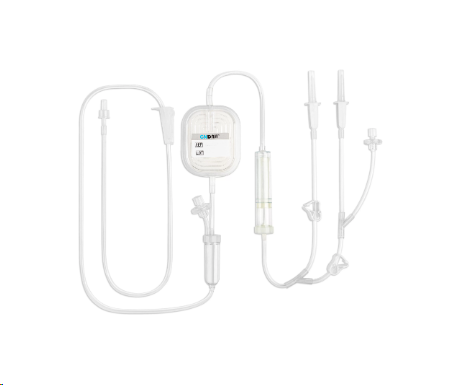
White blood cells, although a normal component of blood, can negatively impact transfusion recipients in multiple ways:
1. Reducing febrile reactions: WBCs release cytokines during storage that may trigger fevers upon transfusion.
2. Minimizing alloimmunization: Repeated exposure to donor WBCs can stimulate the patient’s immune system, complicating future transfusions or platelet therapies.
3. Lowering viral transmission risk: Certain viruses, including CMV, reside in leukocytes, and removing them reduces the risk of transmission.
4. Improving storage quality: Leukocytes accelerate red blood cell (RBC) and platelet degradation during storage, potentially shortening shelf life.
Given these clinical benefits, implementing an effective leukocyte reduction strategy is essential for both patient safety and operational efficiency.
There are two primary leukocyte filtration approaches: inline (bedside) filters and blood bank (pre-storage) filters. Understanding their differences is crucial for selecting the optimal solution.
Inline filters are attached directly to the transfusion line at the bedside, allowing clinicians or nurses to filter blood immediately before administration. This method offers flexibility and requires minimal blood bank infrastructure.
Advantages:
· Convenient for emergency transfusions or variable volume settings
· Lower upfront equipment costs
· No need for centralized processing infrastructure
· Allows selective leukoreduction on demand
Limitations:
· WBC removal occurs after storage, so cytokines produced during storage are not eliminated
· Requires bedside staff training and adherence to protocols
· May increase labor burden in high-volume settings
Blood bank filters are applied during initial blood processing before storage and distribution. Pre-storage filtration removes WBCs at the earliest stage, improving product quality and reducing the accumulation of cytokines.
Advantages:
· Consistent and reliable WBC reduction
· Reduces cytokine accumulation, lowering FNHTR risk
· Facilitates batch testing and quality control
· Simplifies regulatory compliance and audit documentation
Limitations:
· Requires specialized equipment and trained staff in the blood bank
· Higher initial investment compared to inline filters
· Less flexible for urgent or small-scale transfusions
Both inline and blood bank filters achieve high WBC removal rates, often exceeding 99%. However, timing of filtration affects certain clinical outcomes:
1. Cytokine accumulation: Pre-storage filtration significantly reduces cytokine buildup during storage, which decreases the risk of febrile reactions. Inline filtration does not remove cytokines that have already accumulated if the product has been stored for several days.
2. Patient population: Immunocompromised patients, neonates, and chronically transfused individuals benefit most from pre-storage leukoreduction due to higher consistency and quality.
3. Frequency of transfusions: For patients receiving repeated transfusions, blood bank filtration ensures that every unit meets stringent safety standards, whereas inline filtration may be adequate for occasional or emergency transfusions.
Workflow efficiency is a major factor in selecting the right leukocyte filter:
· Inline filtration shifts the labor burden to bedside staff, requiring proper training and compliance monitoring. It is suitable for hospitals with fluctuating transfusion needs or limited centralized processing capacity.
· Blood bank filtration centralizes workflow within the blood bank, allowing batch processing of multiple units and reducing bedside labor. This approach ensures all distributed units are pre-leukoreduced and quality-controlled.
Additional workflow considerations include storage logistics, staffing availability, and readiness for emergency transfusions. High-volume centers benefit from pre-storage filtration for consistency and efficiency, while smaller facilities or emergency-focused hospitals may prioritize the flexibility of inline filters.
Evaluating cost involves both direct and indirect considerations:
· Inline filters have lower initial costs and require no specialized equipment. However, increased bedside labor may add indirect costs in high-volume settings.
· Blood bank filters involve higher upfront costs due to equipment and staff training but offer long-term savings through reduced bedside labor, improved product quality, and fewer transfusion-related complications.
An optimal strategy balances patient safety, workflow efficiency, and budget considerations, ensuring the chosen solution meets both clinical and operational objectives.
Many health authorities recommend or mandate leukocyte reduction for certain patient groups, including neonates, immunocompromised individuals, and chronically transfused patients. Pre-storage filtration simplifies compliance, as each unit leaving the blood bank is documented and pre-leukoreduced. Inline filtration can also meet regulatory standards but requires rigorous bedside protocols and accurate record-keeping to satisfy audit requirements.
When choosing between inline and blood bank filters, institutions should consider:
1. Transfusion volume: High-volume centers benefit from pre-storage filtration; low-volume or emergency-focused hospitals may prefer inline filters.
2. Patient risk profile: Immunocompromised or chronically transfused patients require pre-storage filtration for maximum safety.
3. Staffing and workflow: Inline filters increase bedside workload; pre-storage filters centralize processing.
4. Storage duration: Pre-storage filtration improves product quality for units stored for extended periods.
5. Regulatory requirements: Centralized filtration simplifies documentation and quality control.
By carefully evaluating these factors, healthcare providers can select a leukocyte reduction strategy that ensures both patient safety and operational efficiency.
Inline and blood bank leukocyte filters each have unique advantages. Inline filters provide bedside convenience, lower initial costs, and operational flexibility, making them suitable for emergency or low-volume settings. Blood bank filters deliver consistent pre-storage leukoreduction, improved storage quality, and streamlined compliance, ideal for high-volume or high-risk transfusions.
Selecting the right filter requires balancing workflow, patient population, staffing capacity, storage logistics, and regulatory requirements. Aligning filter technology with institutional needs ensures safer transfusions, improved patient outcomes, and optimized operational efficiency.
DaJiMed provides advanced leukocyte filtration solutions tailored to diverse hospital and blood center workflows, helping you deliver safer transfusions while maintaining efficiency and quality control. Contact us right now!

No. 132 Buling Road, Huangpu District, Guangzhou, P.R.China



Copyright © Guangzhou DaJi Medical Science and Technology Co., Ltd. All Rights Reserved Sitemap | Powered by 


