Leukocyte reduction is a cornerstone of modern transfusion medicine. By removing white blood cells (WBCs) from blood products, hospitals and blood centers can significantly reduce febrile non-hemolytic transfusion reactions, alloimmunization, and the risk of transmitting leukocyte-associated viruses. However, when it comes to integrating leukocyte reduction into your workflow, not all filters are created equal. The two primary options—inline leukocyte filters and blood bank (pre-storage) leukocyte filters—offer different advantages depending on your clinical setting, operational scale, and budget.
Understanding the differences between these two approaches is crucial to selecting the right system for your institution. This guide explores how inline and blood bank leukocyte filters perform across clinical outcomes, workflow integration, cost-effectiveness, and regulatory compliance, helping decision-makers make informed choices.
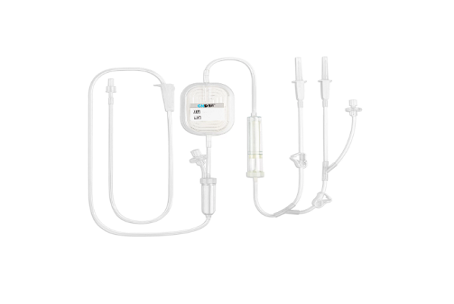
Inline leukocyte filters are attached directly to blood bags and used at the bedside, immediately before transfusion. This method allows for flexible, just-in-time leukoreduction without needing specialized processing equipment. For hospitals with variable transfusion volumes or those that prioritize bedside convenience, inline filters reduce upfront processing demands. Nurses or clinicians can filter blood products immediately before administration, which is especially useful in emergency or low-volume settings.
Blood bank leukocyte filters, in contrast, are used during pre-storage processing in the blood center. These filters typically require controlled processing conditions and may involve centrifugation or specialized equipment. While this method requires more planning and centralized workflow, it ensures that all blood products are leukoreduced before leaving the blood bank. Pre-storage filtration also allows for thorough quality control, including checks for filter performance, WBC counts, and storage stability.
The choice between inline and blood bank filtration often hinges on workflow philosophy: bedside flexibility versus centralized consistency.
Both inline and blood bank leukocyte filters achieve significant reductions in WBC content, often exceeding 99%. However, studies suggest subtle differences that may influence patient outcomes:
· Blood bank (pre-storage) filtration tends to result in better storage quality of blood products, as leukocytes contribute to cytokine accumulation during storage. By removing WBCs early, pre-storage filtration can reduce the risk of FNHTRs and other storage-related complications.
· Inline (bedside) filtration achieves comparable leukoreduction immediately before transfusion but may not mitigate cytokine accumulation if blood products are stored for extended periods prior to administration. This distinction is most relevant for platelets and red blood cells stored for several days.
In clinical scenarios where patients are highly immunocompromised or require chronic transfusions, pre-storage leukoreduction is generally preferred due to its superior consistency and documented long-term outcomes. For routine or low-risk transfusions, inline filtration is often sufficient and offers more operational flexibility.
Cost analysis should consider both per-unit expenses and operational labor:
· Inline filters: Typically lower upfront costs, no need for specialized blood bank equipment, and minimal impact on centralized processing workflows. However, they shift the labor burden to bedside staff, which can increase nursing time in high-volume settings.
· Blood bank filters: Higher initial investment in equipment and processing infrastructure, but reduce bedside labor and allow batch processing of large volumes of blood products, which can be cost-effective in high-throughput blood centers. Additionally, the improved storage quality and reduced transfusion reactions may lead to indirect cost savings.
Hospitals and blood centers must evaluate both direct and indirect costs. In smaller facilities or emergency-focused settings, inline filters often provide the best value. In contrast, high-volume centers handling thousands of units weekly may find blood bank filtration more economical in the long run.
Inline filtration shines in scenarios requiring adaptability. Emergency rooms, trauma centers, and small hospitals benefit from the ability to filter products on demand, without waiting for blood bank processing. It also minimizes the need for extensive storage space and specialized equipment.
Blood bank filtration is less flexible at the bedside but offers strong quality assurance. Centralized filtration allows laboratory staff to monitor leukocyte counts, verify filter performance, and maintain consistent compliance with regulatory standards. For blood centers supplying multiple hospitals, pre-storage leukoreduction ensures that all distributed units meet uniform quality thresholds.
Regulatory authorities in many regions recommend or mandate leukocyte reduction for certain patient populations, such as neonates, immunocompromised individuals, or chronic transfusion recipients. Blood bank filters simplify compliance by ensuring all units are pre-leukoreduced and documented prior to distribution. Inline filters still meet regulatory standards but require diligent record-keeping at the point of care.
In terms of quality control, pre-storage filtration supports batch testing, making it easier to generate documentation for audits and accreditation. Inline filtration can achieve similar compliance, but hospitals must implement protocols to track WBC reduction and filter integrity at the bedside.
When deciding between inline and blood bank leukocyte filters, consider the following factors:
1. Volume and scale of transfusions: High-volume centers benefit from pre-storage filtration; smaller facilities may favor inline filters.
2. Clinical risk profile of patients: Immunocompromised or chronically transfused patients are better served with pre-storage filtration.
3. Staffing and labor resources: Inline filters require bedside staff engagement; pre-storage filters shift labor to the blood bank.
4. Storage duration and logistics: Blood bank filtration improves storage quality for units held for extended periods.
5. Regulatory compliance: Centralized filtration simplifies documentation and quality assurance for audits.
Ultimately, the best choice is the one that aligns with your institution’s operational capabilities, patient safety priorities, and budget constraints.
Inline and blood bank leukocyte filters each have unique advantages. Inline filters provide bedside convenience, flexible deployment, and lower upfront costs, making them suitable for emergency or low-volume settings. Blood bank filters offer centralized consistency, superior pre-storage quality, and streamlined regulatory compliance, ideal for high-volume centers or patients requiring chronic transfusions.
Evaluating your institution’s workflow, patient population, staffing capacity, and regulatory requirements will guide you toward the most suitable leukoreduction strategy. Selecting the right filter is not just a procurement decision—it’s a step toward safer, more efficient transfusion practices.
DaJiMed provides advanced leukocyte reduction solutions tailored to diverse hospital and blood center workflows, helping you ensure safer transfusions while optimizing operational efficiency. Contact us right now!

No. 132 Buling Road, Huangpu District, Guangzhou, P.R.China



Copyright © Guangzhou DaJi Medical Science and Technology Co., Ltd. All Rights Reserved Sitemap | Powered by 


