Red blood cell (RBC) leukocyte filters are designed to remove white blood cells while preserving the quality and integrity of red blood cells. However, efficient leukocyte removal alone does not guarantee optimal filtration performance. Excessive hemolysis can compromise blood component quality, making hemolysis testing essential for blood banks, transfusion centers, and medical device manufacturers.
Evaluating hemolysis performance requires more than checking a single laboratory result. A reliable assessment should consider plasma-free hemoglobin, pre- and post-filtration changes, blood storage conditions, filtration parameters, and applicable quality standards.
This guide explains how to evaluate hemolysis in RBC leukocyte filters and interpret the results for product validation and quality control.
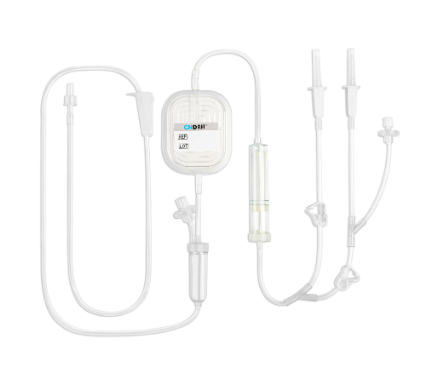
Hemolysis occurs when red blood cell membranes are damaged, releasing intracellular hemoglobin into the surrounding plasma or additive solution.
During leukocyte filtration, RBCs pass through filtration media designed to retain leukocytes. Although properly designed filters minimize RBC damage, mechanical stress and unfavorable processing conditions may contribute to hemolysis.
Mechanical Stress: Excessive pressure or flow-related forces can damage RBC membranes.
Filter Material Interactions: Incompatible surfaces may adversely affect blood cells.
Filtration Conditions: Temperature, flow rate, and filtration duration can influence RBC stability.
Blood Storage Duration: Older RBC units may become more susceptible to filtration-related damage.
Improper Handling: Excessive agitation, unsuitable transfer procedures, or temperature deviations may increase hemolysis.
Hemolysis assessment helps determine whether an RBC leukocyte filter preserves blood quality under its intended operating conditions.
Several measurements should be assessed together.
Plasma-free hemoglobin measures hemoglobin released outside intact RBCs and is a primary indicator of hemolysis. Comparing PFH concentrations before and after filtration helps identify potential filtration-related damage.
Percentage hemolysis estimates the proportion of total hemoglobin released from red blood cells. It provides a standardized measure for comparing blood component quality across samples.
RBC recovery measures how much red cell mass remains available after filtration. A filter should provide effective leukocyte removal without excessive RBC loss.
Abnormally prolonged filtration or unstable flow may indicate excessive resistance, obstruction, or incompatible processing conditions. These measurements help explain unexpected hemolysis results.
A controlled, repeatable testing procedure is essential for obtaining meaningful results.
Select RBC units representative of the intended application. Record the blood collection and processing dates, RBC storage duration and temperature, anticoagulant and additive solution, initial hematocrit, hemoglobin concentration, RBC unit volume, and filter specifications.
Use comparable units when evaluating different filters.
Before filtration, gently mix the RBC unit according to the validated procedure.
Collect a representative sample and measure plasma-free hemoglobin, total hemoglobin, hematocrit, and RBC count. These results establish the baseline hemolysis level.
Avoid traumatic sampling techniques that could artificially elevate PFH.
Process the RBC unit using the manufacturer's validated instructions.
Monitor filtration start and completion times, blood and environmental temperatures, flow conditions, applied pressure where relevant, filter blockage, interrupted flow, and any unusual leakage or visible changes.
Do not exceed the filter's specified operating conditions.
After filtration, collect a representative sample from the filtered RBC product.
Use the same analytical methods as the pre-filtration assessment.
Proper sample handling is critical. Rough mixing, delayed processing, or inappropriate centrifugation may introduce additional hemolysis unrelated to the filter.
PFH can be measured using validated spectrophotometric or automated laboratory methods.
For reliable measurements, separate plasma or supernatant using a validated procedure, use calibrated equipment and appropriate controls, account for sample dilution and analytical interference, and analyze paired samples under comparable conditions.
Spectrophotometric methods, including the Harboe method, are commonly used to quantify free hemoglobin.
A commonly used formula for RBC concentrates is:
Hemolysis (%) = [PFH × (1 − Hct)] ÷ Total Hb × 100
Where:
PFH: Plasma-free hemoglobin concentration
Hct: Hematocrit expressed as a decimal
Total Hb: Total hemoglobin concentration
PFH and total Hb must use the same concentration units.
Assume the following post-filtration measurements:
Plasma-free hemoglobin: 1.8 g/L
Hematocrit: 60% (0.60)
Total hemoglobin: 180 g/L
Hemolysis (%) = [1.8 × (1 − 0.60)] ÷ 180 × 100
Calculated hemolysis = 0.40%
If the pre-filtration hemolysis rate was 0.20%, the measured increase would be:
0.40% − 0.20% = 0.20 percentage points
This difference helps characterize filtration-associated hemolysis.
However, it should not automatically be interpreted as the amount caused exclusively by the filter. A matched control and consideration of processing-related changes strengthen the assessment.
Acceptance criteria depend on applicable regulations, intended use, product specifications, and the stage of blood processing.
Under European blood component quality requirements, hemolysis in red cell components must remain below 0.8% of red cell mass at the end of the shelf life.
Importantly, this is a blood component quality requirement, not a universal limit for hemolysis introduced by an individual leukocyte filter.
Baseline Hemolysis: Was the incoming RBC unit already damaged?
Filtration-Associated Increase: How much did hemolysis change during processing?
Final Product Quality: Does the filtered RBC unit meet applicable specifications?
Storage Stability: Does hemolysis remain acceptable throughout the validated storage period?
Consistency: Are results reproducible across units and filter batches?
Acceptance limits for filtration-associated changes should be justified and documented in the validation protocol.
If results exceed expectations, investigate the possible causes before concluding that the filter is defective.
Excessive Filtration Pressure
High pressure or inappropriate mechanical assistance may increase RBC damage.
Prolonged RBC Storage
Storage-related membrane changes can increase susceptibility to mechanical stress during filtration.
Filter Obstruction
Poor flow or microaggregate accumulation may increase resistance and disrupt normal processing.
Incompatible Filtration Conditions
Using the wrong filter configuration, blood component, or processing temperature can produce inconsistent results.
Sampling and Laboratory Errors
Improper sampling, sample transport, centrifugation, or analytical interference can produce falsely elevated readings.
First, verify sample integrity and repeat questionable measurements.
Next, review filtration parameters against the validated instructions and compare the results with matched control units.
Then, examine filter lot records and processing conditions. Repeat testing across representative units and batches to determine whether the abnormal results are consistent.
If excessive hemolysis is confirmed, affected blood products should be managed according to established blood-bank quality procedures.
For procurement and validation teams, hemolysis should be evaluated alongside other essential filter performance indicators.
Before selecting an RBC leukocyte reduction filter, request supporting information covering hemolysis performance under specified test conditions, residual leukocyte counts per processed unit, RBC recovery, hemoglobin retention, filtration time, recommended operating conditions, blood-contacting material biocompatibility, batch consistency, and product validation documentation.
Testing should reflect actual clinical or blood-bank workflows.
For example, a laboratory processing filter and a bedside transfusion filter may operate under different conditions. Therefore, their validation protocols should reflect their respective intended uses.
International references such as ISO 10993-4 and ASTM F756 provide relevant guidance for blood-contacting device evaluation and material hemolysis testing. However, material testing alone does not replace functional evaluation of the complete filtration system.
Not necessarily. Leukocyte removal efficiency and RBC preservation are different performance indicators. Both require independent evaluation.
Yes. RBC storage lesions may contribute to increasing hemolysis over time. Storage-period testing is important when validating pre-storage leukoreduction systems.
No. PFH is an essential indicator, but it should be assessed with percentage hemolysis, RBC recovery, residual leukocytes, filtration time, and process consistency.
Reliable hemolysis evaluation requires standardized sampling, accurate laboratory measurements, controlled filtration conditions, and appropriate acceptance criteria.
By measuring both baseline and post-filtration hemolysis, blood banks and medical device manufacturers can better distinguish filtration-related effects from existing RBC damage and storage-related changes.
DaJiMed provides RBC leukocyte reduction filters designed to combine efficient leukocyte removal with red blood cell preservation. We support blood banks, blood bag manufacturers, and medical distributors seeking reliable filtration solutions. Contact us to discuss product specifications, technical requirements, and procurement opportunities.
Previous: None

2F, No. 132 Buling Road, Huangpu District, Guangzhou, P.R.China



Copyright © Guangzhou DaJi Medical Science and Technology Co., Ltd. All Rights Reserved Sitemap | Powered by 


