Red blood cell (RBC) leukocyte reduction filters play an important role in blood processing and transfusion procedures. Beyond leukocyte removal efficiency, sterility, shelf life, and lot traceability are essential considerations when evaluating filter quality and supplier reliability.
For blood banks, hospital procurement teams, medical distributors, and blood bag manufacturers, verifying these factors helps prevent the use of potentially compromised products, supports regulatory compliance, and improves quality control throughout the supply chain.
However, a sterile label or expiration date alone does not demonstrate that a filter meets all applicable requirements.
This guide explains how to verify RBC filter sterility, evaluate shelf life documentation, and assess lot traceability before purchasing or using filtration products.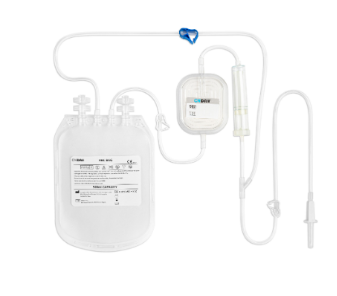
Sterility verification begins with understanding how the filter is sterilized and whether the process has been properly validated.
RBC leukocyte filters may be sterilized using ethylene oxide (EO) or radiation, depending on their materials, design, and validated manufacturing process.
Different sterilization methods require different validation procedures.
Ethylene Oxide Sterilization
EO sterilization is commonly used for medical devices containing polymer components. Manufacturers should validate and routinely control the process according to applicable requirements such as ISO 11135.
For EO-sterilized RBC filters, buyers should also request evidence that residual EO and ethylene chlorohydrin meet applicable limits under ISO 10993-7.
Radiation Sterilization
Gamma radiation and other validated radiation processes can be used for compatible medical devices.
The ISO 11137-1:2025 standard addresses the development, validation, and routine control of radiation sterilization processes.
For radiation-sterilized filters, manufacturers should provide appropriate sterilization dose validation and routine processing evidence.
The Sterility Assurance Level (SAL) expresses the probability that a product remains nonsterile after a validated sterilization process.
For sterile medical devices intended for blood contact, a commonly expected SAL is 10⁻⁶, representing a theoretical probability of no more than one nonsterile unit per million.
Buyers should confirm the applicable SAL requirement and request supporting sterilization validation documentation.
Importantly, a negative sterility test on a limited number of samples cannot independently prove that every filter in a batch is sterile. Sterility assurance depends primarily on validated and controlled manufacturing and sterilization processes.
Before approving a supplier, request a sterilization validation summary and representative batch release documentation.
The records should identify the sterilization method, relevant processing batch, release status, and applicable acceptance criteria.
For EO-sterilized devices, confirm that required aeration and residual testing controls have been addressed.
For radiation-sterilized devices, review evidence of dose monitoring and compliance with validated parameters.
A general quality certificate should not be treated as a substitute for product-specific sterilization evidence.
Even when an RBC filter has been successfully sterilized, its sterility can be compromised if the sterile barrier system becomes damaged.
Therefore, packaging verification is essential.
ISO 11607-1 establishes requirements for packaging systems intended to maintain the sterility of terminally sterilized medical devices until use.
Manufacturers should demonstrate that their packaging provides an effective microbial barrier and withstands expected processing, handling, storage, and distribution conditions.
Relevant packaging validation may include seal strength testing, package integrity testing, and distribution simulation.
Seal Integrity: Examine the packaging for incomplete seals, punctures, tears, or visible separation.
Moisture Damage: Check for water exposure, deterioration, or signs of compromised packaging materials.
Label Legibility: Confirm that the product identification, lot number, expiration date, and sterilization information remain readable.
Packaging Consistency: Verify that the filter model and configuration match the purchase order and accompanying documentation.
If the sterile barrier is damaged or its integrity is uncertain, the filter should not be used.
The shelf life of an RBC leukocyte filter indicates the period during which the manufacturer has demonstrated that the product remains suitable for its intended use under specified storage conditions.
A shelf-life claim must be supported by appropriate stability and performance data.
Manufacturers commonly use real-time aging and accelerated aging studies to evaluate product stability.
Real-Time Aging Testing
Finished products are stored under specified conditions for the claimed shelf-life period. Testing evaluates whether packaging integrity and relevant product performance characteristics remain acceptable.
Accelerated Aging Testing
Accelerated aging exposes products to controlled elevated temperatures to estimate the effects of long-term storage.
ASTM F1980 provides guidance for accelerated aging of sterile barrier systems and medical devices.
Accelerated aging can support an initial expiration-date claim while real-time aging studies continue. However, real-time studies are necessary to confirm the predicted shelf life.
Shelf-life validation should not focus exclusively on packaging integrity.
RBC filters must also maintain their intended functional performance throughout the claimed storage period.
Relevant evaluations may include leukocyte removal efficiency, RBC recovery, filtration time, hemolysis performance, material stability, and mechanical integrity.
For example, a filter may retain intact sterile packaging while experiencing material changes that affect filtration efficiency.
For a product claiming a two-year shelf life, buyers should request evidence supporting that duration for the specific model and packaging configuration.
Check the expiration date on the individual package against the outer carton and batch documentation.
Confirm whether the shelf-life calculation begins from manufacturing, sterilization, or another validated reference date.
Storage requirements should also be reviewed. Excessive heat, humidity, sunlight exposure, and inappropriate warehouse conditions may affect packaging or filter materials.
Do not assume a product remains acceptable beyond its labeled expiration date without an authorized, validated extension.
Lot traceability enables manufacturers and distributors to identify products associated with particular production materials, manufacturing processes, sterilization batches, and shipment records.
An effective traceability system is especially important when investigating quality complaints or managing product recalls.
Each filter shipment should have sufficient identification to distinguish its product model and manufacturing lot.
Common traceability information includes the product name, model number, batch or lot number, manufacturing date where applicable, expiration date, and manufacturer identification.
A Unique Device Identifier (UDI) may also be required depending on the product's regulatory classification and destination market.
UDI requirements should be verified separately rather than assuming they apply identically to every RBC filter.
Under quality management frameworks such as ISO 13485, manufacturers establish appropriate product identification and traceability controls.
A traceable manufacturing record should make it possible to connect finished filters to relevant component batches, manufacturing records, inspections, sterilization processes, and release decisions.
For distributors, shipment records should also identify which lots were delivered to each customer.
A practical supplier audit should include a traceability exercise.
Select one finished filter lot and ask the manufacturer to identify its associated production records, sterilization batch, quality release documentation, and shipment history.
The manufacturer should also be able to identify affected finished lots when provided with a relevant component or material batch.
This exercise provides stronger evidence of traceability capability than a written policy alone.
Before placing a bulk order for RBC leukocyte reduction filters, buyers should obtain documentation appropriate to their intended use and regulatory market.
Quality Management Certification
Request valid ISO 13485 certification and verify that its scope covers the relevant manufacturing activities.
Product Specifications
Review the filter model, intended application, operating conditions, leukocyte removal performance, and applicable technical specifications.
Sterilization Documentation
Request the sterilization method, validation summary, and evidence of appropriate batch release controls.
Shelf-Life Validation
Review aging studies, packaging integrity results, and evidence that functional performance remains acceptable throughout the claimed shelf life.
Batch Traceability
Confirm that product labels, batch release records, and shipment documents provide consistent identification.
Regulatory Documentation
Request applicable declarations, certificates, and registration information required for the destination market.
These checks are particularly relevant when purchasing leukocyte reduction filter sets for hospital or blood bank applications, or evaluating blood bags with inline leukocyte reduction filters for OEM integration.
If documentation is missing, packaging is damaged, or batch information does not match, the affected products should be placed on hold pending investigation.
Missing Sterilization Evidence
Request the relevant validation or batch release information before approving the shipment.
Insufficient Shelf-Life Documentation
Ask the supplier to demonstrate that the claimed expiration period is supported by appropriate stability testing.
Inconsistent Lot Numbers
Compare the individual packaging, carton labels, delivery records, and certificates. Unresolved discrepancies should trigger a traceability investigation.
Damaged Sterile Packaging
Segregate affected units and follow established nonconforming-product procedures.
Document the investigation, supplier response, corrective actions, and final disposition. Products should not be released for use until the identified issues have been satisfactorily resolved.
No. ISO 13485 certification demonstrates that a manufacturer operates an audited medical device quality management system. Product sterility still requires appropriate sterilization validation, process controls, and release evidence.
RBC filters should not be used beyond their labeled expiration date unless an authorized shelf-life extension has been appropriately validated and permitted under applicable requirements.
No. A lot number is an identification tool. Complete traceability requires corresponding manufacturing, sterilization, quality inspection, distribution, and release records.
No. Sterility and bacterial endotoxin control are different quality attributes. Where applicable, endotoxin or pyrogen limits require separate supporting evidence.
Verifying RBC filter sterility, shelf life, and lot traceability requires a combination of validated sterilization processes, reliable packaging, documented stability testing, and controlled manufacturing records.
For procurement teams, these checks help improve supplier evaluation, reduce quality risks, and support safer blood processing operations.
DaJiMed specializes in the development and manufacture of leukocyte reduction filters for blood banks, hospitals, blood bag manufacturers, and medical distributors. With advanced blood filtration technology and an ISO 13485-certified quality management system, we are committed to providing reliable RBC filtration solutions for global customers.
Explore our RBC leukocyte reduction filters or contact DaJiMed to discuss product specifications, sterility documentation, shelf-life requirements, and bulk procurement needs.

2F, No. 132 Buling Road, Huangpu District, Guangzhou, P.R.China


Copyright © Guangzhou DaJi Medical Science and Technology Co., Ltd. All Rights Reserved Sitemap | Powered by 


