Blood transfusion remains one of the most critical components of modern healthcare. Every day, hospitals and blood centers around the world rely on safe blood collection, storage, processing, and transfusion systems to support surgeries, trauma care, cancer treatment, organ transplantation, neonatal care, and emergency medicine.
However, alongside the life-saving benefits of transfusion comes a persistent challenge: reducing transfusion-related complications while maintaining blood quality and availability.
To address these risks, the World Health Organization (WHO) has repeatedly emphasized the importance of blood safety standards, quality-controlled blood processing, and the implementation of Leukoreduction Filter & Filtration technologies in modern transfusion medicine.
Today, leukoreduction has become a key strategy for improving transfusion safety worldwide. Many countries have adopted universal or selective leukoreduction policies, while hospitals and blood banks increasingly use advanced Leukoreduction Filter systems and Platelet Leukoreduction Filter technologies to comply with international standards and improve patient outcomes.
This article explores WHO recommendations on safe blood transfusion and leukoreduction, explains why leukocyte reduction matters, and discusses how blood centers and medical institutions can choose appropriate blood filtration solutions for modern healthcare environments.
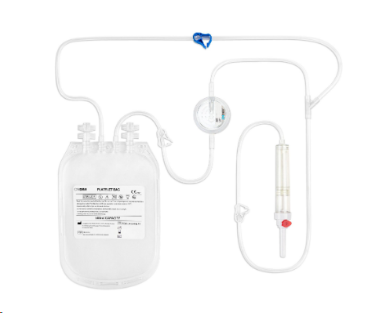
Although blood transfusion is routine in healthcare systems, transfused blood components may still contain residual leukocytes (white blood cells). These leukocytes can contribute to several complications, including:
· Febrile non-hemolytic transfusion reactions (FNHTR)
· Human leukocyte antigen (HLA) alloimmunization
· Platelet refractoriness
· Transmission of leukocyte-associated viruses
· Inflammatory responses
· Immunomodulation effects
WHO has continuously highlighted that improving blood processing standards is essential for reducing preventable transfusion risks, especially in regions with increasing demand for blood products.
As a result, Leukoreduction Filtration has become an increasingly important process in blood component preparation.
Leukoreduction refers to the removal of white blood cells from blood components before transfusion.
This process is commonly performed using specialized Leukoreduction Filter & Filtration systems designed to reduce leukocyte levels to internationally accepted thresholds.
Leukoreduction may be applied to:
· Red blood cells (RBC)
· Platelets
· Whole blood
· Plasma-derived preparations
Modern blood processing laboratories often use:
· Inline Leukoreduction Filter systems
· Prestorage leukoreduction filters
· Bedside filtration devices
· Platelet Leukoreduction Filter technologies
The objective is to improve transfusion safety while preserving the quality and recovery rate of essential blood components.
WHO encourages all national healthcare systems to establish comprehensive blood safety programs based on:
WHO recommends stable donor recruitment systems to ensure safer blood supplies and reduce transfusion-transmitted infections.
All donated blood should undergo screening for:
· HIV
· Hepatitis B
· Hepatitis C
· Syphilis
· Region-specific infectious diseases
However, testing alone is not enough to eliminate transfusion risks associated with leukocytes.
WHO strongly supports controlled blood component preparation procedures, including:
· Blood separation
· Storage monitoring
· Sterile processing
· Leukocyte reduction procedures
This is where Leukoreduction Filtration technologies become essential.
Hospitals and blood centers should track:
· Adverse transfusion reactions
· Blood product traceability
· Transfusion outcomes
· Component quality performance
Leukoreduction has been shown to reduce certain transfusion reactions, making it an important part of blood safety management.
Although leukoreduction policies vary by country, WHO and international transfusion organizations recognize the significant benefits of reducing leukocyte contamination in blood products.
Key advantages include:
Residual leukocytes may release cytokines during storage, increasing the risk of febrile reactions.
Leukoreduction Filter systems help minimize this issue by removing leukocytes before storage or transfusion.
Patients receiving repeated transfusions, such as oncology or thalassemia patients, may develop immune sensitization to donor leukocytes.
Leukocyte reduction helps decrease HLA alloimmunization risk.
Platelet products are particularly sensitive to leukocyte contamination.
Using a specialized Platelet Leukoreduction Filter can help maintain platelet quality while reducing adverse reactions.
This is especially important for:
· Cancer patients
· Bone marrow transplant recipients
· Hematology departments
· Pediatric transfusion care
Certain viruses may reside within donor leukocytes.
Although leukoreduction does not replace infectious disease testing, it may help reduce transmission risks associated with cell-associated pathogens.
One major discussion in transfusion medicine involves the timing of leukoreduction.
This process removes leukocytes shortly after blood collection and before storage.
Advantages include:
· Reduced cytokine accumulation
· Better storage quality
· Standardized processing
· Improved quality control
· Lower contamination risk
Many advanced blood centers now prefer prestorage Leukoreduction Filtration systems.
This method filters blood immediately before transfusion.
Advantages include:
· Lower infrastructure requirements
· Flexible hospital application
· Useful in resource-limited environments
However, bedside filtration may not prevent storage-related leukocyte degradation products from accumulating.
Platelet transfusions present unique challenges because platelets are stored at room temperature, increasing the risk of inflammatory mediator accumulation.
For this reason, Platelet Leukoreduction Filter systems are becoming increasingly important in transfusion medicine.
Modern platelet filtration technologies focus on:
· High platelet recovery rates
· Efficient leukocyte removal
· Minimal platelet activation
· Fast filtration speed
· Stable flow performance
Hospitals increasingly evaluate platelet filtration systems based on:
· Residual leukocyte count
· Platelet yield
· Filtration efficiency
· Product sterility
· Compatibility with blood bag systems
As platelet demand continues to grow globally, advanced Platelet Leukoreduction Filter solutions are expected to become even more important.
Despite the recognized benefits of leukoreduction, many developing healthcare systems still face implementation barriers.
Common challenges include:
Leukoreduction Filter systems increase processing costs, especially in high-volume blood centers.
Healthcare institutions often seek:
· Cost-effective leukocyte filters
· OEM filtration solutions
· Scalable blood filtration technologies
Some hospitals lack:
· Automated blood processing equipment
· Controlled laboratory environments
· Staff training systems
In these situations, simplified Leukoreduction Filtration technologies may be more practical.
Blood banks require reliable supply partners because transfusion services cannot tolerate interruptions.
This makes supplier stability a critical purchasing factor.
Today’s procurement teams evaluate suppliers based on more than price alone.
Key considerations include:
High-performance Leukoreduction Filter systems should consistently achieve required leukocyte reduction levels.
Efficient filtration should preserve:
· RBC recovery
· Platelet yield
· Plasma quality
Hospitals and blood centers increasingly require:
· ISO certifications
· CE compliance
· GMP manufacturing
· Sterility validation
· Biocompatibility documentation
Many blood centers prefer integrated solutions compatible with existing collection and storage systems.
Large-scale blood centers need suppliers capable of stable, high-volume production.
The future of transfusion medicine will likely include:
· Automated blood processing systems
· Smart filtration monitoring
· Improved membrane technologies
· Higher recovery efficiency
· Reduced filtration time
· Enhanced platelet preservation
· Integrated blood management platforms
As global healthcare standards continue to rise, Leukoreduction Filter & Filtration technologies will remain central to safer transfusion practices.
Countries expanding universal leukoreduction policies are expected to drive long-term demand for advanced blood filtration systems worldwide.
WHO recommendations on safe blood transfusion continue to shape the future of global healthcare systems. As blood safety standards evolve, leukoreduction is increasingly recognized as a critical component of modern transfusion medicine.
From reducing febrile transfusion reactions to improving platelet transfusion outcomes, Leukoreduction Filtration technologies provide substantial clinical and operational benefits for hospitals, blood banks, and transfusion centers.
At the same time, healthcare providers must carefully evaluate Leukoreduction Filter performance, regulatory compliance, blood recovery efficiency, and supplier reliability when selecting blood filtration solutions.
With the growing demand for safer blood products worldwide, advanced Platelet Leukoreduction Filter technologies and integrated blood filtration systems will continue playing a vital role in modern healthcare.
DaJiMed is committed to providing reliable Leukoreduction Filter & Filtration solutions designed for blood banks, hospitals, and transfusion medicine applications worldwide. Through stable manufacturing, strict quality control, and continuous innovation, DaJiMed supports safer blood processing and improved transfusion outcomes for global healthcare providers.Cooperated with us right now!

2F, No. 132 Buling Road, Huangpu District, Guangzhou, P.R.China



Copyright © Guangzhou DaJi Medical Science and Technology Co., Ltd. All Rights Reserved Sitemap | Powered by 


