Blood storage is one of the most important yet often overlooked aspects of transfusion medicine. Every unit of collected blood undergoes a carefully controlled preservation process before reaching patients in operating rooms, emergency departments, oncology centers, trauma units, and intensive care facilities. While modern blood banking systems have significantly improved blood safety over the past decades, storage-related changes in blood components remain a major concern for hospitals and blood centers worldwide.
Among the most critical issues is the activity of residual leukocytes during storage.
Leukocytes, or white blood cells, play an important role in the body’s immune defense system. However, when present in stored blood products, leukocytes can trigger unwanted biological reactions that may negatively affect blood quality and transfusion outcomes. This is why Leukoreduction Filter & Filtration technologies have become increasingly important in modern blood processing systems.
Today, hospitals, blood banks, and blood component manufacturers are paying closer attention to how storage conditions influence leukocyte activity, cytokine release, inflammatory reactions, and blood component degradation. Advanced Leukoreduction Filtration systems and Platelet Leukoreduction Filter technologies are now widely used to minimize these risks and support safer transfusion practices.
This article explores how blood storage conditions affect leukocyte activity, why leukocyte control is critical in transfusion medicine, and how proper filtration and storage strategies can improve blood safety and product quality.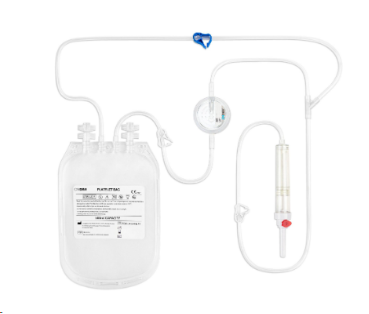
Leukocytes are naturally present in donated whole blood. Even after blood component separation, residual white blood cells may remain in:
· Red blood cell units
· Platelet concentrates
· Whole blood products
· Plasma-containing components
Although these cells are harmless in healthy circulation, leukocytes can become problematic during blood storage.
As blood products remain stored over time, residual leukocytes continue metabolic activity and gradually undergo structural and biochemical changes. These processes may lead to:
· Cytokine accumulation
· Cellular degradation
· Inflammatory mediator release
· Oxidative stress
· Microaggregate formation
This phenomenon is one of the major reasons why Leukoreduction Filter systems are used in modern transfusion medicine.
Residual leukocytes do not remain biologically inactive inside stored blood products. Instead, storage conditions can significantly influence leukocyte behavior and viability.
Several important changes may occur during storage.
Leukocytes may release inflammatory cytokines while blood is stored.
These include:
· Interleukins
· Tumor necrosis factor (TNF)
· Other pro-inflammatory mediators
As cytokines accumulate over time, transfusion recipients may experience:
· Fever
· Chills
· Febrile non-hemolytic transfusion reactions (FNHTR)
This is one of the primary reasons why prestorage Leukoreduction Filtration is recommended in many blood processing systems.
Over extended storage periods, leukocytes begin to deteriorate.
Cell breakdown may release:
· Enzymes
· Bioactive substances
· Cellular debris
· Reactive oxygen species
These byproducts can negatively affect surrounding blood components, particularly red blood cells and platelets.
Residual leukocytes contribute to oxidative stress during storage.
Oxidative reactions may damage:
· RBC membranes
· Platelet integrity
· Plasma proteins
This can reduce transfusion effectiveness and blood component quality.
Dead or damaged leukocytes may contribute to microaggregate formation inside blood products.
These aggregates may interfere with:
· Microcirculation
· Pulmonary function
· Transfusion efficiency
Leukoreduction Filter & Filtration technologies help reduce the accumulation of these unwanted particles.
Storage temperature is one of the most important variables in blood preservation.
Different blood products require different storage conditions.
Red blood cells are generally stored at:
· 1°C to 6°C
Low temperatures slow leukocyte metabolism but do not completely eliminate leukocyte activity.
Over time, residual leukocytes may still:
· Release cytokines
· Undergo apoptosis
· Contribute to storage lesions
Even refrigerated blood can experience progressive quality deterioration when leukocyte contamination remains high.
This is why many blood centers implement prestorage Leukoreduction Filtration before RBC storage.
Platelets are stored under much more challenging conditions:
· 20°C to 24°C
· Continuous agitation
Because platelets cannot be refrigerated, leukocyte activity becomes even more problematic in platelet products.
At room temperature, leukocytes remain metabolically active for longer periods, increasing:
· Cytokine production
· Platelet activation
· Inflammatory mediator accumulation
· Bacterial growth risks
This makes Platelet Leukoreduction Filter systems especially important for platelet concentrates.
Whole blood contains all cellular components, including:
· RBCs
· Platelets
· Plasma
· Leukocytes
As a result, whole blood storage may involve more complex cellular interactions.
Residual leukocytes in whole blood may accelerate:
· Potassium leakage
· Metabolic degradation
· Inflammatory reactions
· Membrane damage
Modern whole blood processing systems increasingly rely on Leukoreduction Filter technologies to improve component stability.
The term “storage lesion” refers to the biochemical and structural changes that occur in stored blood over time.
Leukocyte activity plays a major role in these changes.
Common storage lesions include:
· Decreased RBC deformability
· Increased hemolysis
· Reduced oxygen delivery efficiency
· ATP depletion
· pH reduction
· Membrane fragility
Many studies suggest that leukocyte reduction can help minimize certain storage-related changes and improve blood component quality.
Modern transfusion medicine increasingly favors prestorage leukoreduction rather than bedside filtration.
Prestorage leukoreduction removes leukocytes shortly after blood collection and before long-term storage.
This approach provides several important advantages.
Because leukocytes are removed early, inflammatory mediators have less time to accumulate.
Early leukocyte removal may help preserve:
· RBC membrane stability
· Platelet functionality
· Plasma quality
Prestorage Leukoreduction Filtration allows blood centers to maintain consistent quality control across blood products.
Hospitals using leukoreduced blood products often report lower rates of febrile transfusion reactions.
Platelet products are particularly vulnerable to storage-related leukocyte effects.
For this reason, Platelet Leukoreduction Filter systems are becoming increasingly sophisticated.
Modern platelet filtration technologies focus on:
· High platelet recovery
· Efficient leukocyte removal
· Reduced platelet activation
· Fast filtration speed
· Stable flow dynamics
Hospitals and blood centers increasingly evaluate Platelet Leukoreduction Filter performance based on:
· Residual leukocyte count
· Platelet yield
· Storage stability
· Product shelf life
· Sterility assurance
As global platelet demand rises, advanced filtration systems are becoming a key part of blood banking infrastructure.
Today’s blood centers use multiple strategies to reduce leukocyte-related storage problems.
These include:
High-efficiency Leukoreduction Filter technologies remove leukocytes while preserving blood component quality.
Modern blood banks carefully monitor:
· Temperature
· Humidity
· Agitation systems
· Storage duration
Automation helps improve consistency and reduce contamination risks.
Some healthcare systems reduce storage duration for high-risk patients requiring fresher blood products.
Blood centers increasingly track:
· Cytokine levels
· Hemolysis rates
· Residual leukocyte counts
· Platelet function
Despite the clinical benefits of leukoreduction, implementation challenges remain in many regions.
Common barriers include:
· Limited healthcare budgets
· Lack of automated processing equipment
· Inconsistent cold chain management
· Limited staff training
· Supply chain instability
As a result, many hospitals seek cost-effective Leukoreduction Filtration solutions that balance performance with affordability.
The future of transfusion medicine will likely focus on:
· Smarter blood storage systems
· Real-time blood quality monitoring
· Advanced membrane filtration materials
· Improved cytokine reduction technologies
· AI-supported blood inventory management
· Automated blood processing platforms
At the same time, global healthcare systems continue moving toward wider adoption of universal leukoreduction policies.
This trend is expected to increase long-term demand for advanced Leukoreduction Filter & Filtration technologies worldwide.
Blood storage conditions have a major impact on leukocyte activity, blood component quality, and transfusion safety. Residual leukocytes may release cytokines, promote oxidative damage, and contribute to storage lesions that negatively affect patient outcomes.
As transfusion medicine continues evolving, Leukoreduction Filtration technologies are becoming essential for reducing leukocyte-related complications and improving blood preservation quality.
Modern Leukoreduction Filter systems and advanced Platelet Leukoreduction Filter technologies help blood banks and hospitals maintain safer, more stable blood products while supporting international blood safety standards.
For healthcare institutions seeking to improve blood processing quality, selecting reliable filtration systems and optimizing storage practices are critical steps toward safer transfusion management.
DaJiMed is committed to providing high-quality Leukoreduction Filter & Filtration solutions for blood banks, hospitals, and transfusion medicine applications worldwide. Through advanced manufacturing, strict quality control, and reliable blood filtration technologies, DaJiMed supports safer blood storage and improved transfusion outcomes for global healthcare providers. Cooperated with us right now!

2F, No. 132 Buling Road, Huangpu District, Guangzhou, P.R.China



Copyright © Guangzhou DaJi Medical Science and Technology Co., Ltd. All Rights Reserved Sitemap | Powered by 


