Whole blood leukoreduction and red blood cell leukoreduction share the same general objective: reducing the number of white blood cells in blood intended for transfusion.
However, they are not interchangeable processes.
The main difference is not simply the filter housing or the amount of blood passing through the device. The two approaches operate at different stages of blood processing, may produce different final components and create different requirements for filtration performance, platelet preservation, red blood cell recovery, quality control and blood bag configuration.
For a blood center, blood bag manufacturer or hospital procurement team, choosing the wrong solution may result in:
Incompatible processing workflows
Excessive red blood cell loss
Unacceptable filtration time
Reduced platelet yield
Incomplete leukocyte removal
Higher component production costs
Additional validation work
Blood bag redesign
Sterility or closed-system concerns
Product specifications that do not match the intended market
The correct choice depends on what the blood establishment intends to produce, when filtration will be performed and which blood components must remain available after leukoreduction.
This guide compares whole blood leukoreduction with red blood cell leukoreduction and provides a practical framework for selecting the appropriate filter and processing method.
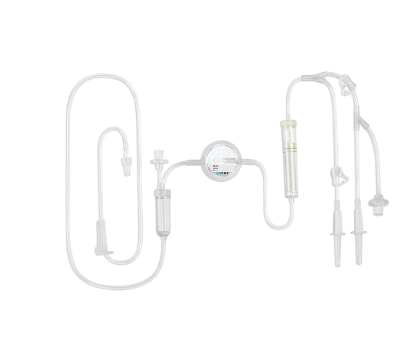
What Is Whole Blood Leukoreduction?
Whole blood leukoreduction is the removal of leukocytes from anticoagulated whole blood before transfusion or before the blood is separated into components.
Depending on the processing objective, filtered whole blood may be used in two different ways.
Whole Blood as the Final Transfusion Component
In this workflow, the leukoreduced whole blood remains a whole blood product. It contains red blood cells, plasma and a proportion of platelets in a single unit.
This type of product may be considered for selected bleeding and trauma applications according to local protocols and regulatory requirements.
When platelet preservation is required, the processing system must use a validated platelet-sparing whole blood filter. A conventional whole blood filter should not automatically be assumed to preserve an acceptable platelet concentration or platelet function.
Canadian Blood Services, for example, describes a leukocyte-reduced whole blood process in which anticoagulated whole blood is passed through a platelet-sparing filter before refrigerated storage. The resulting component retains red blood cells, plasma and platelets, but its clinical use remains subject to defined ordering criteria and continuing evaluation.
Whole Blood as the Starting Material for Component Production
In a second workflow, whole blood is filtered first and then separated into red blood cells, plasma and, depending on the filter design and production method, other components.
In this case, leukoreduction is performed upstream. One filtration step influences more than one downstream component.
Whole blood leukoreduction filters used for component preparation may be selected to support the production of leukoreduced red blood cells and plasma. The exact downstream component yield depends on whether the filter is designed to retain or preserve platelets, the subsequent centrifugation process and the blood bag system configuration.
Whole blood leukoreduction therefore requires buyers to consider the complete component-processing system rather than evaluating only residual leukocyte count.
What Is Red Blood Cell Leukoreduction?
Red blood cell leukoreduction is performed after whole blood has been separated and the red blood cell component has been prepared.
A typical process may include:
Whole blood collection
Centrifugation
Separation of plasma and buffy coat or platelet-rich plasma
Preparation of the red blood cell concentrate
Addition of a red cell additive solution where applicable
Filtration through an RBC-specific leukoreduction filter
Collection of the filtered RBCs into a storage bag
Quality control and refrigerated storage
Some processing systems perform RBC filtration before adding the full volume of additive solution, while others filter the red cells suspended in an additive solution. The correct sequence depends on the blood bag system, filter design and validated instructions for use.
Canadian Blood Services describes a component-production workflow in which whole blood is separated through the buffy coat method, after which the red blood cells are leukoreduced by filtration and suspended in an additive solution.
Because the filter is designed specifically for the red blood cell component, its membrane area, flow characteristics, housing structure and surface modification can be optimized for concentrated red cells rather than for whole blood containing plasma and platelets.
The Most Important Difference: The Stage of Processing
The simplest way to distinguish the two methods is to identify when filtration occurs.
Whole Blood Leukoreduction Workflow
Collection → Whole blood filtration → Whole blood storage or component separation
Red Blood Cell Leukoreduction Workflow
Collection → Component separation → RBC preparation → RBC filtration → RBC storage
This difference affects almost every other procurement decision, including:
Filter membrane design
Blood bag configuration
Platelet preservation
Plasma production
RBC concentration
Filtration temperature
Required flow rate
Hold-up volume
Number of processing steps
Staff workflow
Quality control sampling
Validation requirements
The FDA advises that leukocyte reduction filters
are generally component-specific. A filter intended for one blood component should not be used with another component unless that use is supported by the device manufacturer’s instructions and the blood establishment’s validated process.
Whole Blood vs RBC Leukoreduction at a Glance
| Selection Factor | Whole Blood Leukoreduction | Red Blood Cell Leukoreduction |
|---|---|---|
| Material entering the filter | Anticoagulated whole blood | Prepared red blood cell component |
| Filtration stage | Before component separation or whole blood storage | After component separation |
| Main objective | Treat whole blood or create multiple components from filtered whole blood | Produce a leukoreduced RBC component |
| Platelet consideration | Critical if platelets must be preserved | Platelets have normally already been separated |
| Plasma consideration | Plasma passes through the whole blood process and may become a downstream component | Plasma is separated before RBC filtration |
| Filter design | Must handle mixed cellular and plasma composition | Optimized for concentrated red cells |
| Typical buyer | Blood centers producing filtered whole blood or using an upstream component workflow | Blood centers primarily producing leukoreduced RBCs |
| Process flexibility | Affects all components derived after filtration | Targets the RBC component only |
| RBC recovery | Must be measured across whole blood filtration | Must be measured across RBC filtration |
| Main operational risk | Unwanted platelet loss or downstream component-yield changes | Slow flow, RBC retention, hemolysis or filter blockage |
| Bag system | Whole blood collection and filtration system | RBC transfer, filtration and storage system |
| Best choice when | Leukoreduction is intentionally positioned before separation | The RBC component requires dedicated leukoreduction |
Why the Final Blood Component Portfolio Matters
The most important selection question is:
What products must be available after filtration?
A blood establishment that mainly supplies red blood cell concentrates may obtain greater process control from an RBC-specific leukoreduction workflow.
A blood establishment that needs to filter whole blood before separation must evaluate how the filter affects every component derived from that unit.
When the Main Product Is Leukoreduced RBCs
RBC leukoreduction is often the more direct option when:
Red blood cells are the main cellular product
Plasma and platelets are separated before filtration
The existing process uses the buffy coat or platelet-rich plasma method
The blood center wants component-specific filtration
RBC filtration can be integrated into an existing multiple-bag system
Different blood components follow separate quality control procedures
The establishment does not need leukoreduced whole blood as a final product
The filter can be evaluated primarily according to RBC-specific indicators such as residual leukocytes, RBC recovery, hemoglobin recovery, hemolysis and filtration time.
When Whole Blood Is the Final Product
Whole blood leukoreduction is necessary when the final transfusion component is intended to remain whole blood.
However, the filter must match the intended composition of the final unit.
A platelet-sparing filter may be required when the establishment expects the finished product to retain meaningful platelet content. A filter that removes a substantial proportion of platelets may still reduce leukocytes effectively but may not produce the whole blood composition required by the clinical program.
The buyer must verify:
Residual leukocyte count
RBC recovery
Hemoglobin content
Platelet recovery
Platelet function where applicable
Plasma volume
Filtration time
Final component volume
Citrate exposure
Storage conditions
Shelf life
Intended clinical use
The term “whole blood filter” alone does not confirm that the device is platelet-sparing.
When Filtered Whole Blood Will Be Separated
A whole blood leukoreduction filter may also be selected when the blood center prefers to filter before centrifugation and component separation.
Potential benefits of this approach include:
Positioning leukoreduction early in the manufacturing process
Processing more than one downstream component through a common upstream step
Integrating filtration into the collection bag system
Reducing the need for a separate RBC filtration step
Creating leukoreduced RBC and plasma products from the filtered unit
However, buyers must evaluate whether the process supports the intended platelet production method.
Some whole blood filtration systems remove both leukocytes and a substantial proportion of platelets. This may be acceptable when platelet concentrates will not be produced from that unit. It may be unsuitable when the establishment expects to recover platelets from every whole blood donation.
Do Both Methods Achieve the Same Leukocyte Reduction?
Both approaches can produce an acceptable residual leukocyte count when the correct component-specific filter is used under validated conditions.
The decision should not be based only on a supplier’s advertised leukocyte removal percentage.
For example, a manufacturer may state that a filter removes 99.99%, 99.999% or 99.9999% of leukocytes. These percentages are difficult to compare unless the initial leukocyte count, sample method and final residual count are also provided.
The more useful specification is the number of residual leukocytes per finished unit.
The FDA’s guidance for prestorage leukocyte reduction recommends that leukocyte-reduced whole blood and leukocyte-reduced red blood cells contain fewer than 5.0 × 10⁶ residual white blood cells per unit. It also recommends at least 85% recovery of the original whole blood or RBC content. These are US recommendations; buyers must verify the applicable requirements in their own target markets.
A filter with a high percentage removal rate can still produce an unacceptable final component when:
The initial leukocyte concentration is unusually high
Filtration is incomplete
The blood temperature is outside the validated range
The filter becomes blocked
The component volume exceeds the specified range
The filter is used for the wrong blood component
Processing instructions are not followed
A donor-related factor affects filterability
Procurement specifications should therefore include both leukocyte reduction efficiency and the maximum residual WBC count.
RBC Recovery Is Important in Both Processes
Leukocyte removal should not come at the cost of excessive red blood cell loss.
RBCs may be lost through:
Retention inside the filter membrane
Blood remaining in the housing
Blood remaining in the tubing
Incomplete drainage
Flow interruption
Cell damage
Leakage
Improper filter positioning
For whole blood leukoreduction, RBC recovery should be calculated by comparing the original RBC content of the whole blood with the RBC content after filtration.
For RBC leukoreduction, recovery should compare the prepared red cell component before and after filtration.
The FDA describes several possible approaches for determining RBC recovery, including calculations based on volume and hematocrit, weight and hematocrit, or validated methods defined by the filter manufacturer.
Buyers should request:
Average RBC recovery
Minimum RBC recovery
Hemoglobin recovery
Filter hold-up volume
Number of units tested
Number of production lots tested
Blood volume range
Hematocrit range
Filtration temperature
Additive solution used
Results after sterilization
Results at the end of shelf life
Average recovery alone is not enough. A system may show an acceptable average while still producing occasional units with unusually high RBC loss.
Platelet Preservation Is a Key Decision Point
Platelet behavior is one of the biggest differences between whole blood and RBC leukoreduction.
In an RBC filtration process, platelets have generally already been removed from the RBC component. Platelet preservation is therefore not the main filter-performance target.
In a whole blood process, platelets are still present when the blood reaches the filter.
The filter may be designed to:
Preserve a substantial proportion of platelets
Permit platelets to pass for a platelet-sparing whole blood product
Remove platelets together with leukocytes
Support downstream component separation under a particular blood-processing method
A buyer should never infer platelet performance from leukocyte removal data.
Ask for separate data covering:
Platelet count before filtration
Platelet count after filtration
Platelet recovery
Platelet activation
Platelet aggregation or functional indicators
Changes during storage
Results across several blood units
Results at the validated filtration time after collection
A platelet-sparing whole blood system should be assessed as a complete blood component manufacturing process, not merely as a high-efficiency leukocyte filter.
Filtration Time and Flow Characteristics
Whole blood and red cell concentrates do not have identical flow properties.
Whole blood contains plasma, red cells, platelets and leukocytes. RBC concentrates have a higher red cell concentration, and their viscosity can vary according to hematocrit, temperature and additive solution.
These differences affect:
Initial wetting of the membrane
Gravity-driven flow
Resistance through the filter
Total filtration time
Risk of blockage
Blood retained above the filter
Operator handling requirements
When comparing filters, request filtration data under clearly defined conditions.
The report should state:
Blood component type
Component volume
Hematocrit
Storage age before filtration
Filtration temperature
Height difference between bags
Use of an additive solution
Filter orientation
Priming requirements
Average filtration time
Maximum filtration time
Incomplete filtration rate
A statement such as “fast filtration” is not sufficient without test conditions.
A filter evaluated with warm whole blood cannot automatically be assumed to provide the same flow when used with refrigerated RBCs. Similarly, a red cell filter validated with one additive solution may behave differently with another formulation or hematocrit range.
Prestorage Leukoreduction vs Bedside Filtration
The choice between whole blood and RBC leukoreduction is separate from the choice between prestorage and bedside filtration.
Whole blood and RBC filters may be available in laboratory, inline or bedside configurations, but they should be used only for their validated purpose.
Prestorage Leukoreduction
Prestorage leukoreduction is performed under controlled blood-bank conditions before the component is placed into long-term storage.
Potential operational advantages include:
Standardized procedures
Trained operators
Controlled filtration conditions
Lot-based quality monitoring
Earlier removal of leukocytes
Finished components available as leukoreduced inventory
Reduced reliance on clinical staff to perform filtration
Bedside Leukoreduction
Bedside filtration occurs during transfusion.
It may be considered when prestorage leukoreduced inventory is not routinely available or when a facility uses a targeted filtration policy.
However, bedside filtration introduces additional variables, including:
Clinical staff training
Filter setup
Transfusion flow rate
Patient-side monitoring
Incomplete filtration
Emergency workflow
Product traceability
The FDA specifically advises that filters intended for bedside use should not be used for prestorage leukocyte reduction.
When comparing whole blood and RBC solutions, buyers should therefore identify both the component type and the point of use.
Whole Blood Leukoreduction May Be More Suitable When
A whole blood leukoreduction solution may be appropriate when:
Whole blood is the intended final transfusion component
Leukoreduction must occur before component separation
The blood center wants to produce RBCs and plasma from filtered whole blood
The collection system is designed for upstream inline filtration
The effect on platelet production has been evaluated
A platelet-sparing configuration is available when required
The organization can control whole blood holding and filtration conditions
The filter is validated for the required 250 mL, 450 mL, 500 mL or other collection volume
The complete blood bag and filter system has been validated
The local regulatory pathway supports the finished component
This approach should be selected only after determining what will happen to the platelets and plasma after filtration.
RBC Leukoreduction May Be More Suitable When
An RBC leukoreduction solution may be appropriate when:
Leukoreduced red cells are the principal finished product
Whole blood is separated before filtration
Platelets and plasma must follow independent production processes
The blood center uses buffy coat removal
RBC additive solutions are part of the existing workflow
Component-specific process control is preferred
Only selected RBC units require filtration
The facility needs laboratory and bedside RBC filter options
RBC recovery and hemolysis are the primary quality indicators
The filter must be integrated into an RBC blood bag system
This approach provides clear separation between RBC processing and the production of other blood components.
How the Choice Affects Blood Bag Design
The filter cannot be selected independently from the blood bag system.
A whole blood inline system may include:
Primary collection bag
Anticoagulant solution
Whole blood filter
Transfer bags
Plasma bag
RBC storage bag
Sampling pouch
Diversion device
Tubing clamps
Breakaway cannulas
An RBC leukoreduction system may include:
Primary collection bag
Satellite bags for plasma and buffy coat
RBC filter
Additive-solution bag
RBC storage bag
Transfer tubing
Clamps and connectors
The positions of the filter, transfer bags and breakaway components determine how blood moves through the system.
For OEM projects, the buyer should confirm:
Tubing internal diameter
Tubing length
Filter inlet and outlet size
Bonding method
Filter orientation
Sterilization compatibility
Anticoagulant type
Additive-solution compatibility
Primary bag volume
Satellite bag capacity
Sampling location
Centrifugation resistance
Packaging configuration
A filter that performs well as a standalone product may require further validation after integration into a blood bag set.
Validation Requirements for the Selected Process
Every blood establishment should validate the exact leukoreduction process it intends to use.
Validation should cover:
Filter model
Blood bag configuration
Blood component
Collection volume
Anticoagulant
Additive solution
Time between collection and filtration
Filtration temperature
Gravity height or pressure
Operator procedure
Residual WBC count
RBC recovery
Platelet recovery where relevant
Filtration time
Hemolysis
Incomplete filtration
Product storage
Shelf-life performance
The FDA recommends statistically valid process qualification and continuing quality control for each component type and each leukocyte reduction method in use. It also distinguishes process failures from donor-related or other non-process failures.
A successful validation using an RBC filter does not qualify a whole blood filter. A validation using a 450 mL whole blood unit may not automatically cover a 250 mL pediatric collection or a different anticoagulant-to-blood ratio.
Quality Control Indicators to Monitor
Regardless of the selected method, routine quality control should include more than leukocyte removal percentage.
Essential Indicators
Residual WBC count per unit
RBC recovery
Hemoglobin content
Hematocrit
Filtration time
Incomplete filtration rate
Visual evidence of RBC retention
Leakage
Tubing and connection integrity
Final component volume
Additional Indicators for Whole Blood
Platelet recovery
Plasma volume
Platelet function where required
Coagulation-related parameters
Final whole blood composition
Additional Indicators for RBC Components
Hemolysis
Additive-solution distribution
RBC storage parameters
Filter hold-up volume
Post-filtration hematocrit
Residual WBC samples must be handled according to a validated counting method. The FDA guidance recommends defining sample storage, mixing, processing and testing conditions and testing residual WBC content according to the approved methodology.
Total Cost Comparison
The lowest filter price does not necessarily create the lowest processing cost.
A complete comparison should include:
Filter purchase price
Blood bag system cost
Additional satellite bags
Operator time
Filtration time
Centrifugation requirements
RBC loss
Platelet loss
Plasma yield
Incomplete filtration
Rejected units
QC testing
Sterilization
Packaging
Inventory complexity
Validation cost
Regulatory documentation
For example, an inexpensive whole blood filter may be unsuitable when it causes unacceptable platelet loss in a facility that relies on whole blood-derived platelet production.
An RBC filter with a slightly higher purchase price may provide better total economics when it offers:
Higher RBC recovery
Lower hold-up volume
Faster processing
Fewer blocked filters
More consistent filtration time
Lower hemolysis
Easier blood bag integration
Calculate cost per released blood component rather than cost per filter.
A useful model is:
Total leukoreduction cost per released unit = filter and bag cost + labor + QC + expected component loss + failure and disposal cost
A Practical Selection Decision Tree
Use the following sequence when choosing between the two solutions.
Question 1: Will the final product remain whole blood?
Yes: Select a whole blood leukoreduction process.
No: Continue to Question 2.
Question 2: Must leukoreduction happen before component separation?
Yes: Evaluate a whole blood filter designed for upstream component production.
No: Continue to Question 3.
Question 3: Is leukoreduced RBC the primary target component?
Yes: An RBC-specific leukoreduction process is usually the more direct option.
No: Evaluate the full component portfolio and determine which components require individual leukoreduction.
Question 4: Must platelets be preserved?
Yes: Verify platelet-sparing performance with actual recovery and function data.
No: A whole blood filter that removes platelets may still be acceptable for RBC and plasma production.
Question 5: Does the existing blood bag system support the selected filtration stage?
Yes: Proceed to process validation.
No: A new bag configuration or OEM integration project may be required.
Question 6: Has the exact combination been validated?
This includes the filter, blood volume, anticoagulant, additive solution, tubing configuration, filtration temperature and processing time.
Yes: Review routine production and QC data.
No: Complete validation before routine use.
Questions to Ask a Leukoreduction Filter Supplier
Before selecting a solution, ask:
Is this filter specifically intended for whole blood or RBCs?
Is it designed for prestorage, inline, laboratory or bedside use?
What blood volume range has been validated?
What is the maximum residual WBC specification?
What is the average and minimum RBC recovery?
What is the average filter hold-up volume?
What is the average and maximum filtration time?
What hematocrit range has been tested?
At what temperature was filtration validated?
Which anticoagulants are compatible?
Which RBC additive solutions are compatible?
Does the whole blood filter preserve platelets?
What platelet recovery has been demonstrated?
Has platelet function been assessed?
Can filtered whole blood be separated into RBC and plasma components?
How many blood units and production lots were included in validation?
How are residual leukocytes counted?
What is the counting method’s lower quantification limit?
What is the incomplete filtration rate?
How is abnormal RBC retention identified?
Can the filter be integrated into an OEM blood bag system?
Which sterilization method is used?
Does sterilization affect flow or recovery?
What shelf-life data are available?
What regulatory and technical documents can be provided?
Common Selection Mistakes
Choosing by Leukocyte Removal Percentage Alone
A percentage does not show final residual WBC count, RBC recovery, platelet loss or incomplete filtration risk.
Using an RBC Filter for Whole Blood
Component-specific filters are designed for different blood compositions. An RBC filter should not be used for whole blood unless that application is explicitly validated.
Assuming Every Whole Blood Filter Preserves Platelets
Some whole blood filters remove substantial platelet numbers. Platelet-sparing performance must be demonstrated separately.
Ignoring the Downstream Component Portfolio
Filtering whole blood before separation can affect RBCs, plasma and platelets. The complete production model must be reviewed.
Comparing Filtration Times Without Test Conditions
Temperature, hematocrit, volume, additive solution and gravity height can significantly change filtration time.
Validating the Filter but Not the Blood Bag System
Tubing, connectors, bag positions and sterilization can influence flow and product recovery.
Focusing Only on Average Results
Minimum recovery, maximum filtration time and failure rate may be more important than average performance.
Treating Bedside and Prestorage Filters as Interchangeable
The two configurations have different intended uses, workflows and validation requirements.
Frequently Asked Questions
Is whole blood leukoreduction better than RBC leukoreduction?
Neither method is universally better. Whole blood leukoreduction is appropriate when filtration must occur before component separation or when leukoreduced whole blood is the final product. RBC leukoreduction is more direct when the objective is to produce a dedicated leukoreduced red cell component.
Can a whole blood filter be used for packed red blood cells?
Only when the manufacturer’s instructions and process validation specifically cover that application. Leukoreduction filters are normally component-specific.
Does whole blood leukoreduction automatically preserve platelets?
No. Platelet preservation depends on the membrane and filter design. A platelet-sparing filter must be selected when platelet retention is required.
Which method provides higher RBC recovery?
Both methods can achieve suitable RBC recovery when properly designed and validated. Actual recovery depends on filter hold-up volume, blood viscosity, hematocrit, filtration conditions and process execution.
What residual WBC specification should buyers use?
The requirement depends on the target market and blood component standard. Procurement teams should define a maximum residual WBC count per finished unit rather than relying only on percentage removal.
Can filtered whole blood still be separated into components?
Yes, certain whole blood leukoreduction systems are designed for filtration before separation into RBC and plasma components. The buyer must verify how the process affects platelet recovery and downstream component specifications.
Is RBC filtration performed before or after additive solution is added?
Both configurations may exist. The correct sequence depends on the blood bag set and filter instructions. The exact process must be validated using the intended additive solution and hematocrit range.
Does leukoreduction replace irradiation?
No. Leukoreduction and irradiation are different blood component modifications with different purposes. Leukoreduction should not be used as a substitute when an irradiated component is clinically required.
Should buyers choose a single filter or an integrated blood bag?
A single OEM filter may be suitable for blood bag manufacturers with their own validated assembly and sterilization processes. Blood centers may prefer an integrated blood bag with an inline filter to simplify closed-system processing. The choice depends on manufacturing responsibility and existing infrastructure.
Conclusion
The decision between whole blood leukoreduction and red blood cell leukoreduction should begin with the final blood component, not the filter price.
Whole blood leukoreduction is appropriate when whole blood will remain the final product or when filtration is intentionally positioned before component separation. It requires close attention to platelet preservation, downstream component yield and whole blood processing conditions.
RBC leukoreduction is appropriate when red blood cells are separated first and require a dedicated, component-specific filtration step. It allows performance to be evaluated primarily through residual WBC count, RBC recovery, hemolysis, hold-up volume and filtration time.
Before procurement, buyers should define the intended component, filtration stage, blood volume, temperature, anticoagulant, additive solution, recovery targets and regulatory specification. The complete filter and blood bag system should then be validated under routine and worst-case processing conditions.
For blood bag manufacturers, blood centers, hospitals and medical distributors, DaJiMed provides whole blood and red blood cell leukoreduction options in single OEM filter, laboratory filter set, bedside filter set and inline blood bag configurations. With proprietary membrane modification technology, more than 20 years of leukocyte filtration experience and a product portfolio covering WB, RBC, PLT and PRP applications, DaJiMed can support filter selection, customized tubing and blood bag integration for different blood-processing workflows. Cooperated with DaJiMed right now!