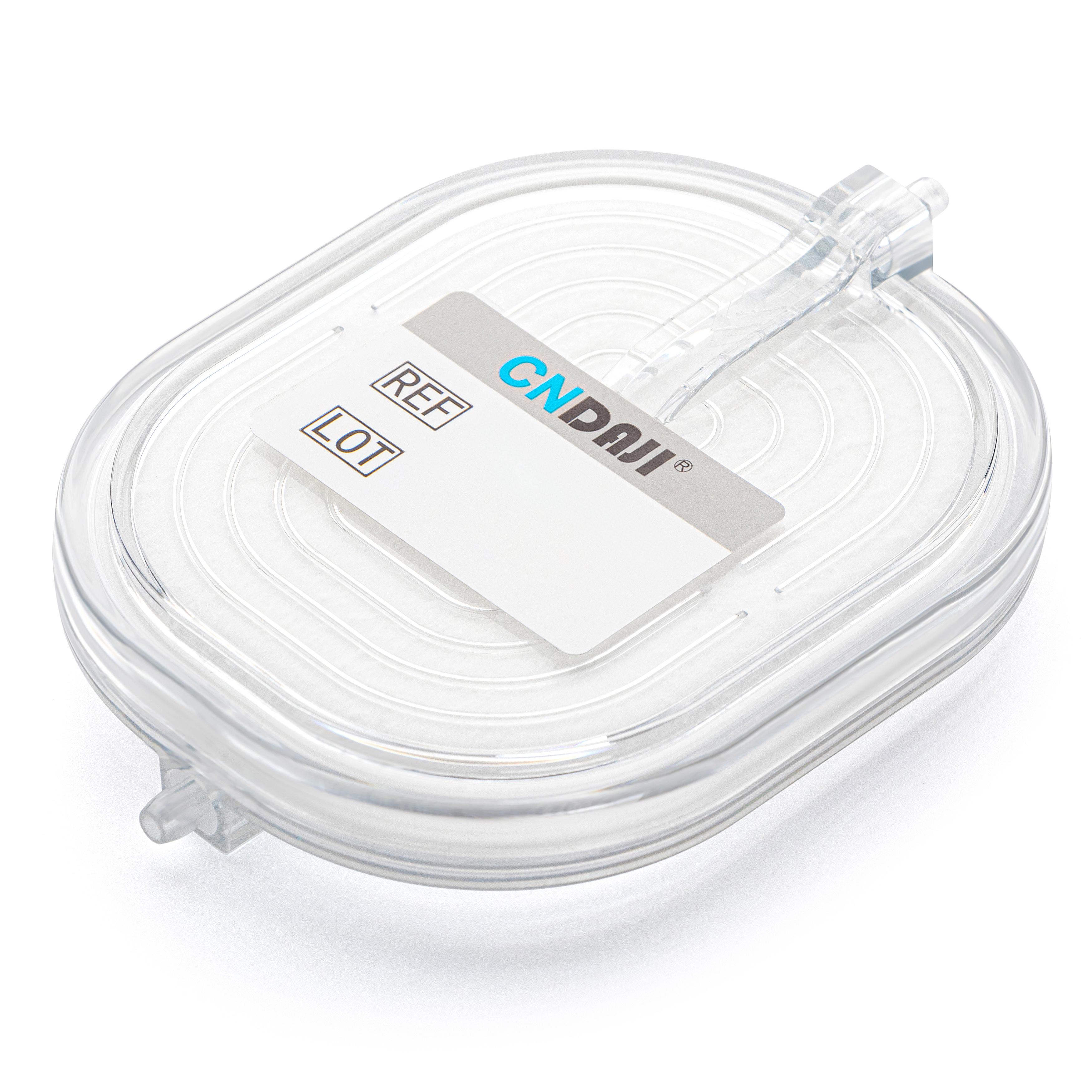
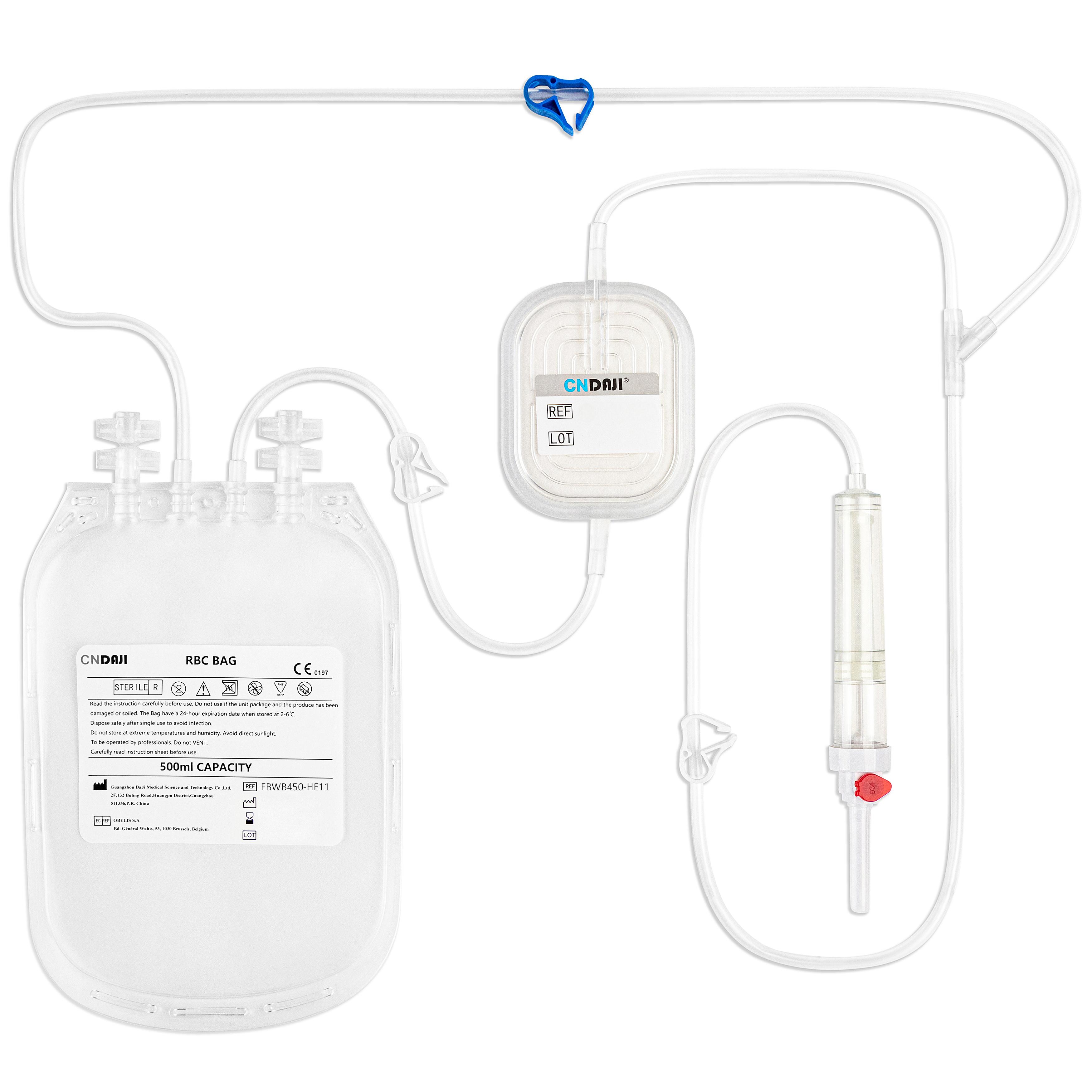
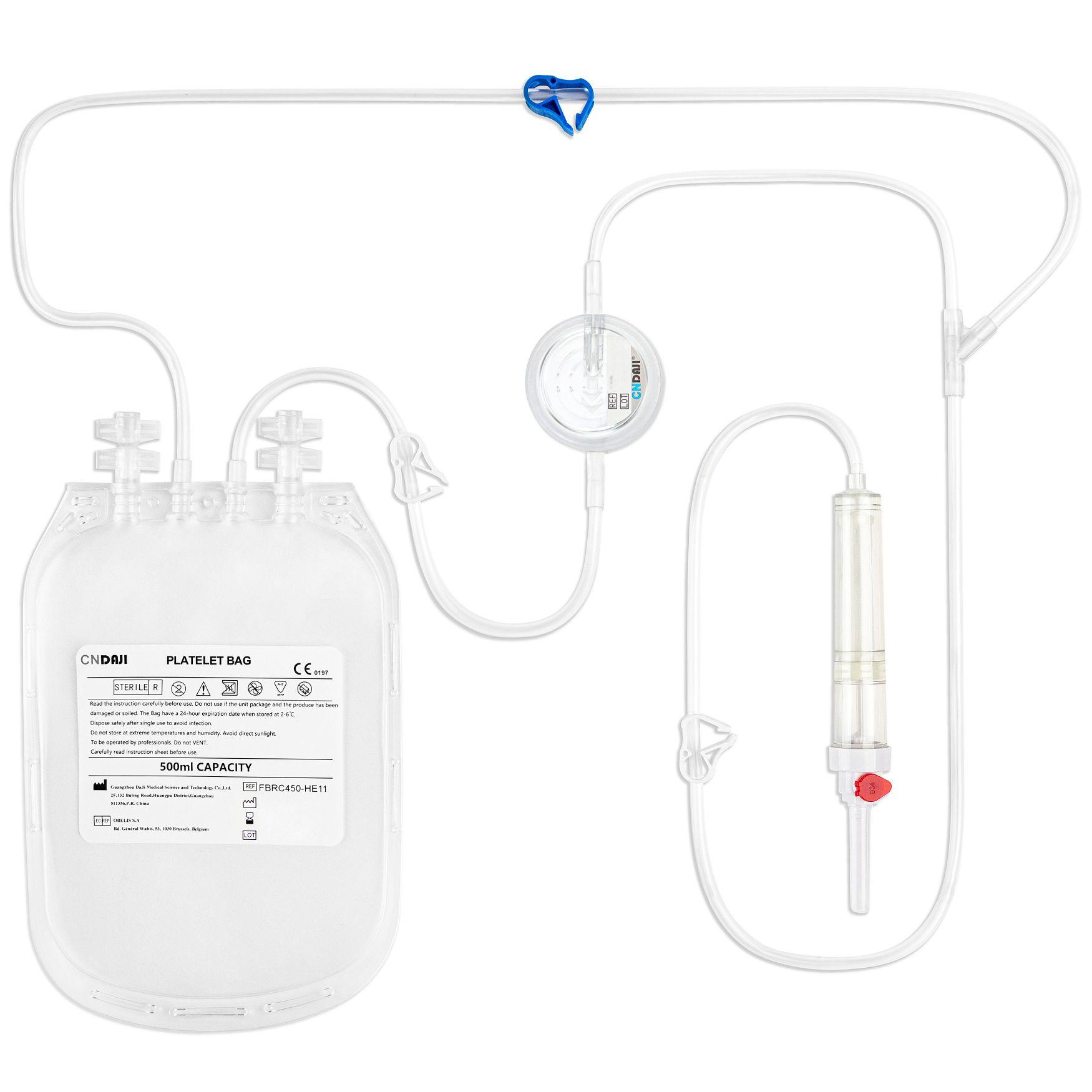
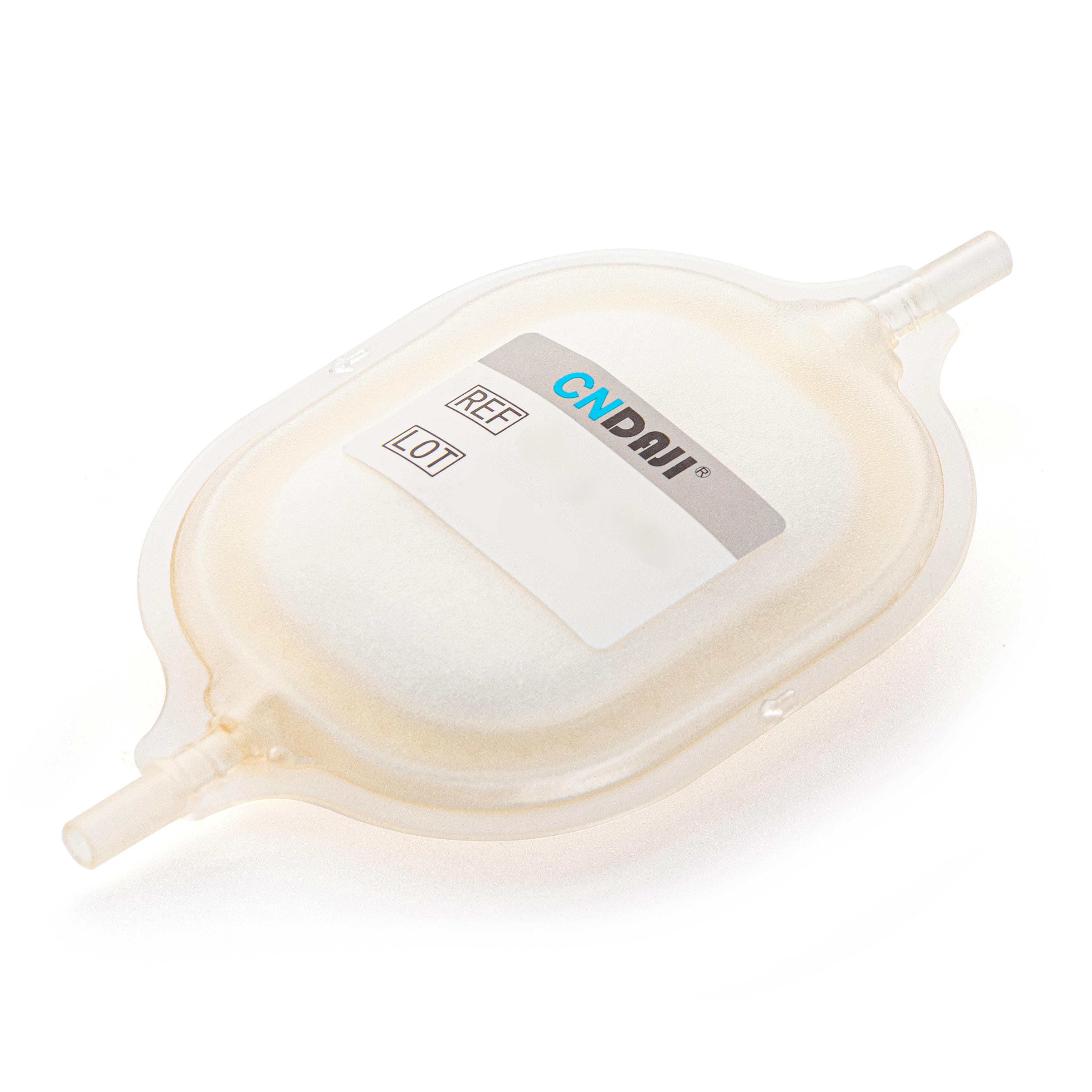
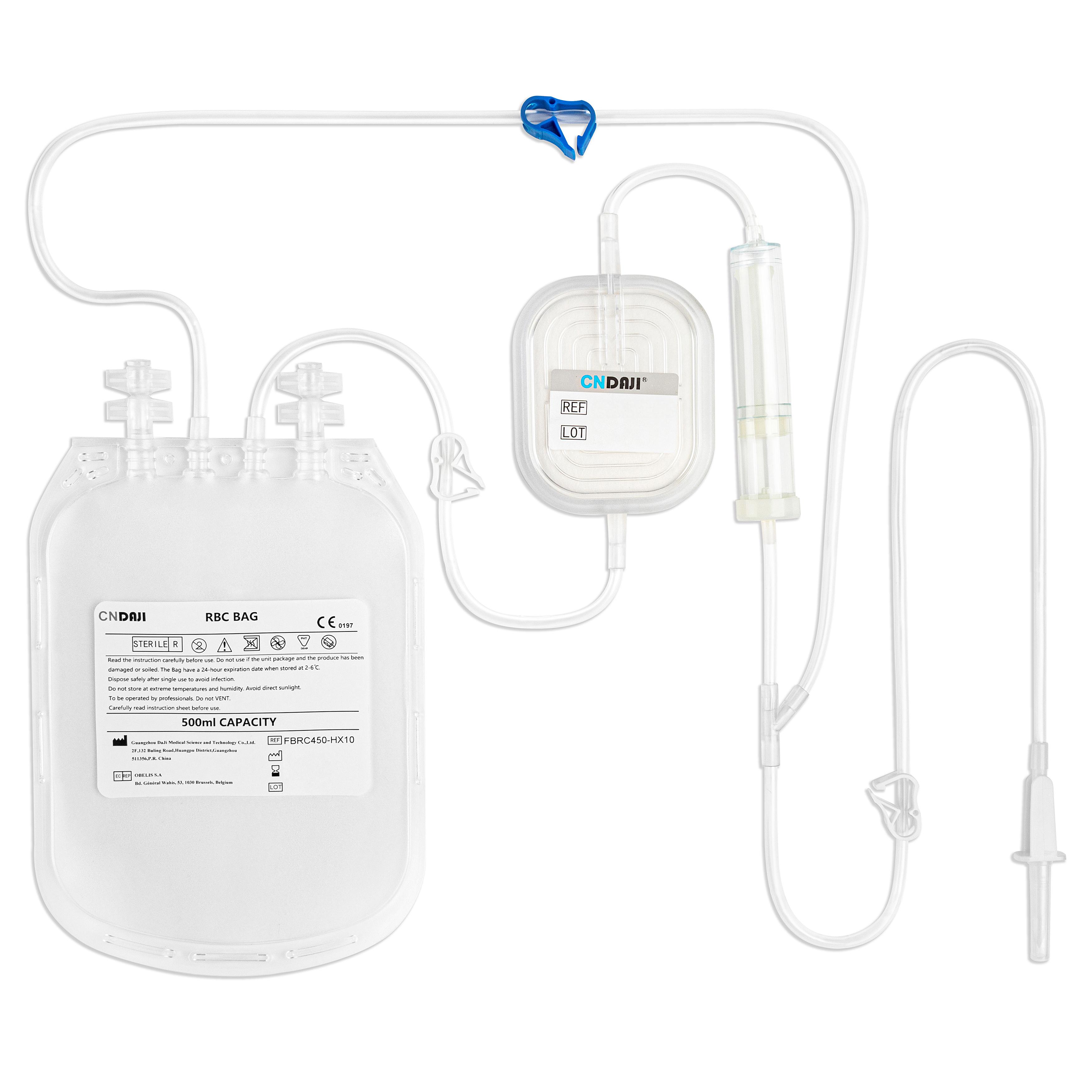
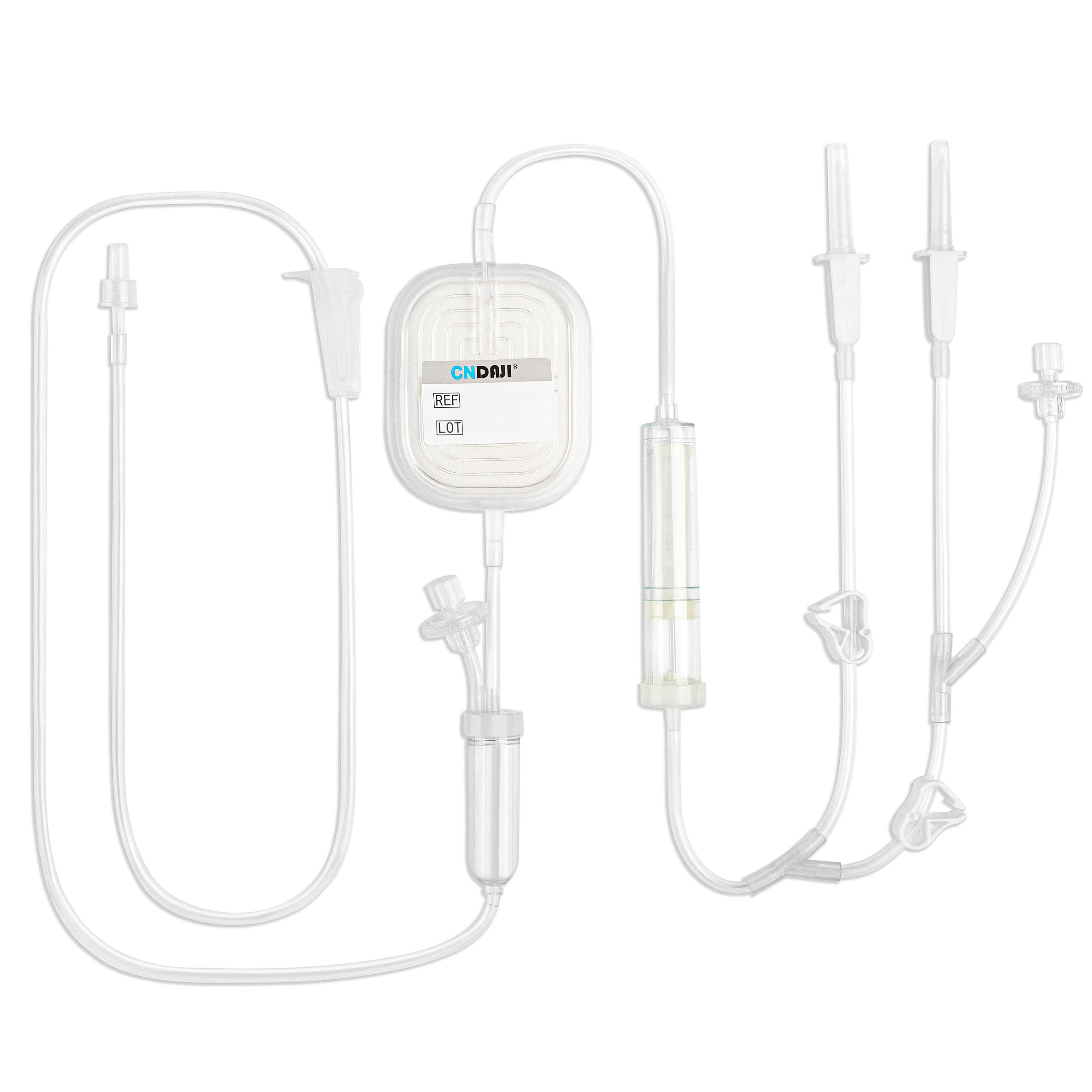
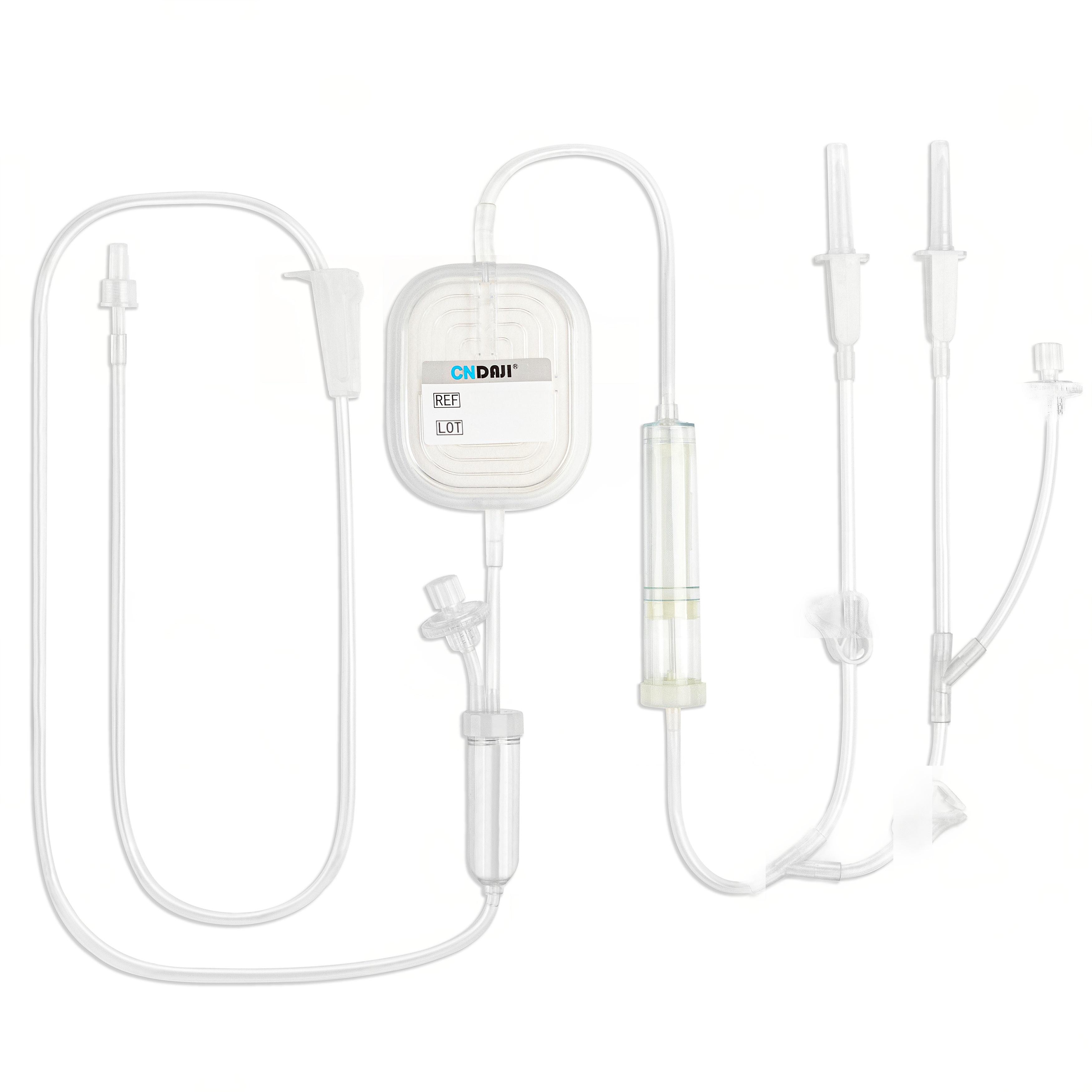
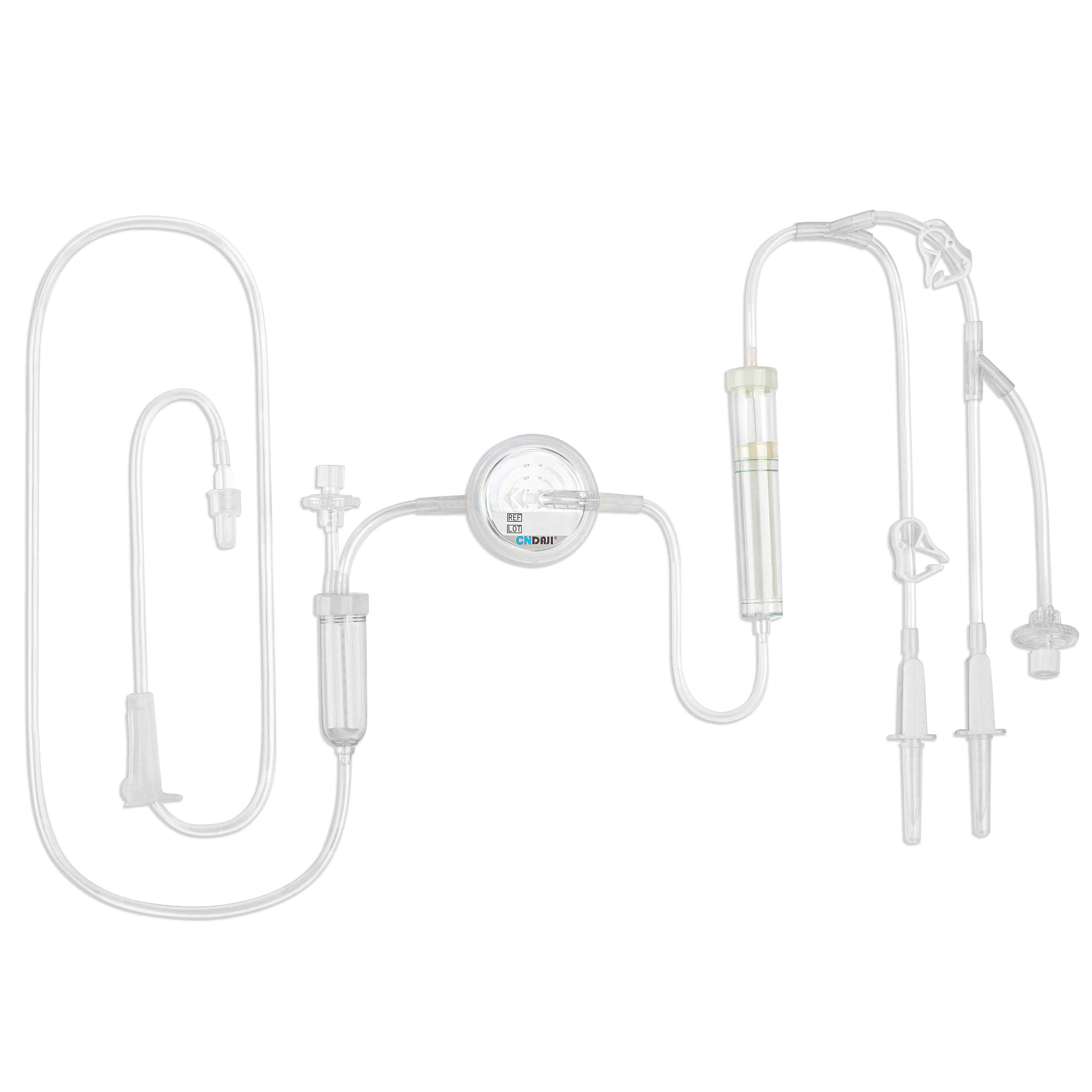
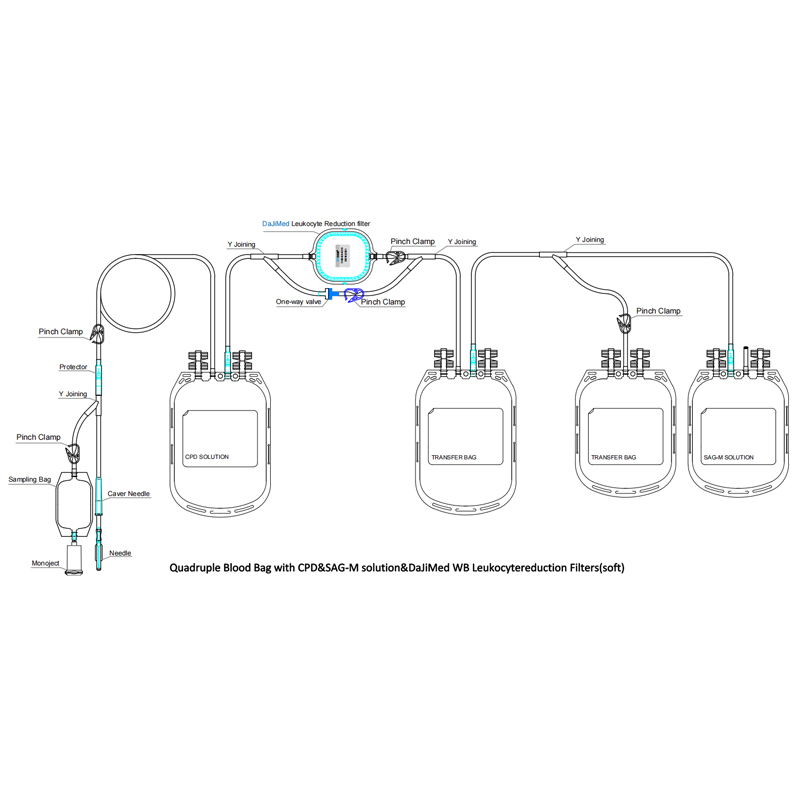
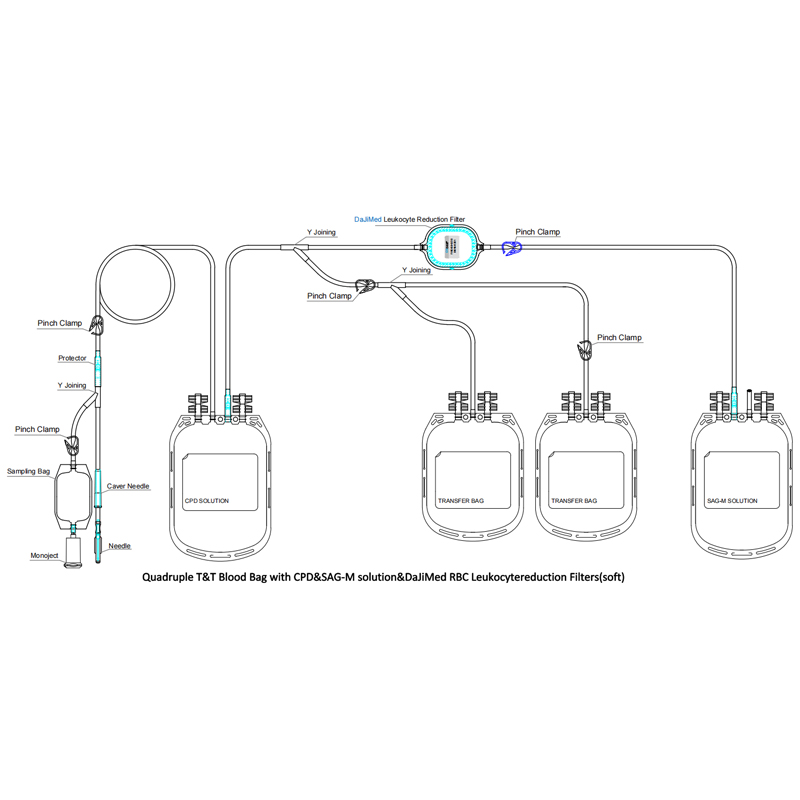
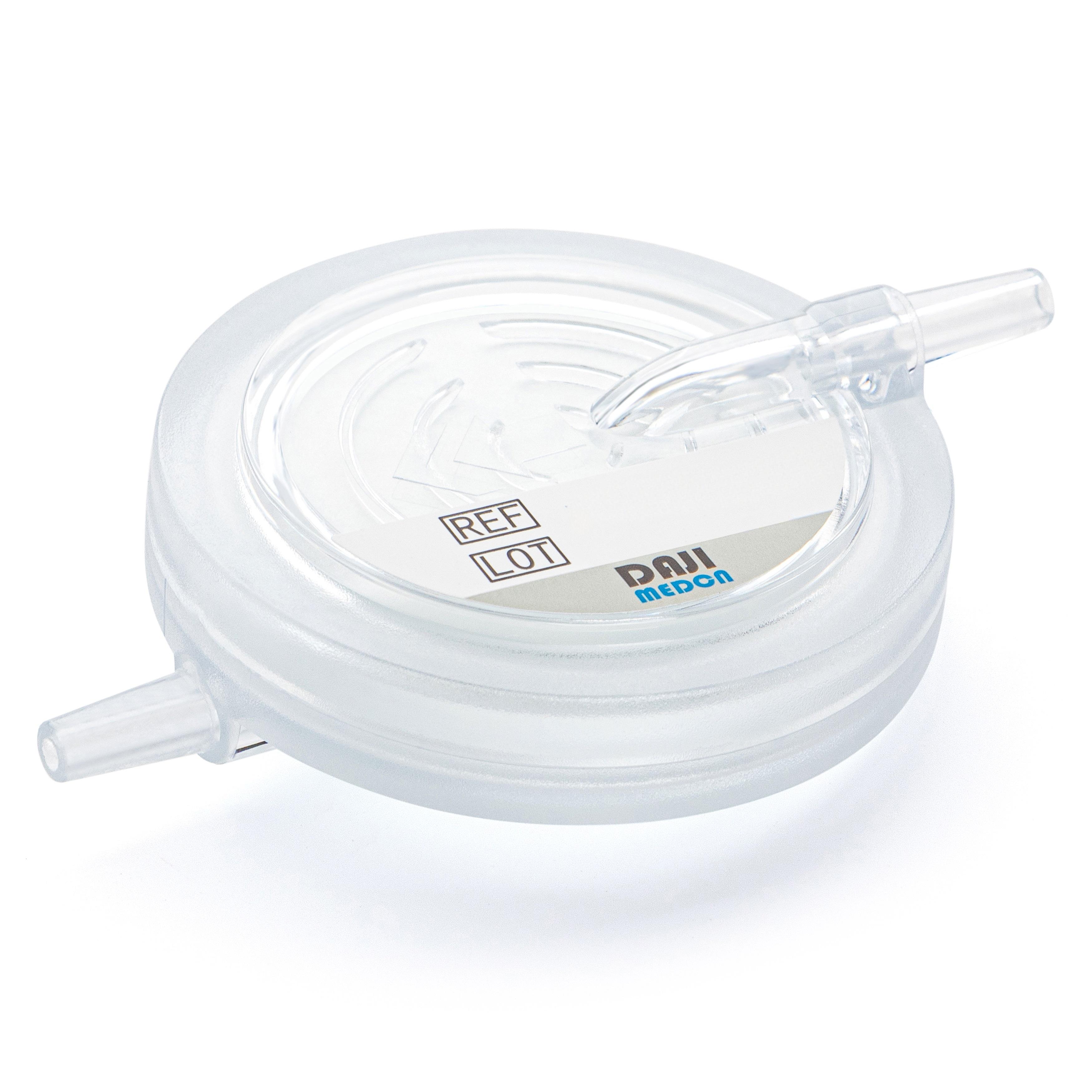
Selecting a leukoreduction filter factory is not simply a matter of comparing removal-rate claims, certificates and unit prices.
Leukoreduction filters are blood-contacting medical devices that must remove leukocytes while preserving the therapeutic blood component passing through the filter. A product may appear simple from the outside, but its performance depends on the consistency of the filter media, surface treatment, membrane stacking, housing assembly, sterilization, packaging and final product testing.
For blood bag manufacturers, blood centers, hospital distributors and government procurement organizations, an unsuitable supplier can create several risks:
Excessive residual leukocyte counts
Low red blood cell or platelet recovery
Unstable filtration time
Filter blockage or interrupted flow
Hemolysis or platelet activation
Housing leakage
Sterile barrier failure
Batch-to-batch performance variation
Regulatory submission delays
Product recalls or tender disqualification
Inconsistent long-term supply
A certificate alone does not prove that a leukocyte reduction filter manufacturer can consistently produce a reliable product. Procurement teams must evaluate the complete manufacturing system, from raw filter material to finished sterile filter.
This guide explains how to assess the manufacturing capabilities of a leukoreduction filter factory and which documents, processes and performance data buyers should verify before approving a supplier.
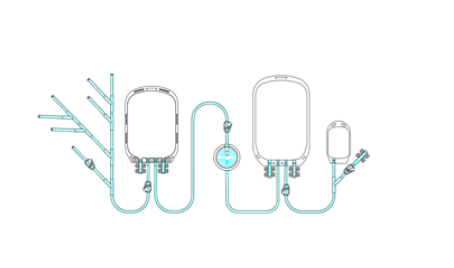
1. Define the Exact Product You Need Before Auditing the Factory
The first step is to define the intended product and application clearly.
A leukoreduction filter factory may manufacture several product configurations, including:
Single leukocyte reduction filters for OEM integration
Complete leukoreduction filter sets
Filters integrated into blood collection bags
Laboratory or blood-bank filters
Whole blood filters
Red blood cell filters
Platelet filters
Platelet-rich plasma filters
Single-unit platelet filters
Multi-unit platelet pooling kits
These products should not be treated as interchangeable.
Whole blood, red blood cell concentrates and platelet products have different viscosities, cellular characteristics, processing volumes and recovery requirements. A filter developed for red blood cells may not provide acceptable platelet recovery, while a platelet filter may require a different membrane structure or surface treatment to reduce unwanted platelet adhesion.
Before assessing a factory, prepare a user requirement specification that includes:
Blood component type
Intended processing volume
Bedside, laboratory or inline application
Gravity or pressure-assisted filtration
Required residual leukocyte limit
Required leukocyte log reduction
Minimum RBC or platelet recovery
Maximum acceptable filtration time
Maximum hold-up volume
Housing type
Tubing and connector configuration
Sterilization method
Required shelf life
Target market
Expected annual volume
OEM labeling or packaging requirements
This document gives the supplier a measurable basis for proposing a product. It also prevents comparisons between products that have different intended uses or performance specifications.
2. Verify the Quality Management System Beyond the Certificate
ISO 13485 is the internationally recognized quality management system standard for medical device design and manufacturing. The current ISO 13485:2016 edition was reviewed and confirmed in 2025, meaning it remains the applicable published edition. In the United States, the FDA Quality Management System Regulation became effective on February 2, 2026 and incorporates ISO 13485:2016 by reference.
However, a procurement team should not accept a certificate without reviewing its details.
Check the following:
Name of the certified company
Manufacturing site address
Certificate scope
Product categories covered
Certification body
Accreditation information
Issue and expiration dates
Exclusions from the quality system
Whether the audited site is the same site producing your filters
A certificate covering the manufacture of general disposable medical products does not automatically prove that the factory has an effective quality system for blood filtration devices.
During an audit, review how the quality management system works in practice.
Important areas include:
Document control
Record retention
Employee training
Supplier qualification
Incoming inspection
Equipment calibration
Process validation
Nonconforming product control
Corrective and preventive action
Complaint investigation
Internal audits
Management reviews
Product change control
Post-market surveillance
Product recall procedures
Ask for examples rather than general explanations. For instance, review a completed corrective action, a supplier requalification record and a closed product complaint. These records show whether the quality system is actively used or maintained mainly for external audits.
3. Examine the Manufacturer’s Risk Management Process
A leukoreduction filter factory should apply risk management throughout product design, manufacturing, sterilization, transportation and use.
ISO 14971 establishes a lifecycle process for identifying medical device hazards, estimating and evaluating risks, implementing controls and monitoring whether those controls remain effective.
Request a risk management summary for the product you are evaluating.
Relevant risks may include:
Incomplete leukocyte removal
Excessive loss of RBCs or platelets
Hemolysis
Platelet activation
Filter occlusion
Excessive filtration pressure
Housing leakage
Incorrect membrane orientation
Membrane displacement
Tubing disconnection
Connector incompatibility
Sterility failure
Packaging damage
EO residual exposure
Incorrect labeling
Use with the wrong blood component
Use outside the validated temperature range
The important question is not whether the manufacturer has a risk analysis document. The important question is whether the identified risks are connected to actual design controls, process controls, inspections and validation tests.
For example, the risk of housing leakage should be linked to housing design specifications, sealing-process validation and routine leak testing. The risk of excessive residual leukocytes should be linked to filter-media specifications, membrane assembly controls and finished-product performance testing.
4. Assess Control of the Filter Membrane Technology
The filter membrane is the functional core of a leukoreduction filter.
A factory that does not understand or control its filter media cannot fully control finished-product performance.
Buyers should determine whether the manufacturer:
Produces the filter media internally
Purchases finished filter media from another company
Applies its own surface treatment or coating
Controls membrane cutting and stacking
Relies on an external technology provider
Has documented material and process specifications
Important filter-media characteristics may include:
Fiber material
Fiber diameter distribution
Membrane thickness
Basis weight
Pore structure
Density gradient
Hydrophilicity
Surface charge
Coating composition
Coating uniformity
Blood wetting behavior
Leukocyte adsorption performance
Mechanical strength after sterilization
Leukocyte filtration is not based only on a nominal mesh size. Filter performance may depend on a combination of mechanical retention, cell adhesion, surface chemistry and interactions between blood cells and the modified fiber surface.
Ask the factory to explain which membrane parameters are critical to leukocyte removal and blood component recovery.
The answer should be supported by controlled specifications and test methods. Statements such as “advanced imported material” or “special coating technology” are not sufficient.
Questions to Ask About Membrane Control
What raw polymer or fiber material is used?
Which membrane characteristics are tested for each lot?
How is surface modification controlled?
Is coating concentration monitored?
How is coating uniformity verified?
How is membrane hydrophilicity measured?
How are filter-media lots released?
Can each finished filter be traced to its membrane lot?
How does sterilization affect the membrane?
What happens if a membrane specification moves toward its acceptance limit?
Are alternate material suppliers approved?
How are material changes communicated to customers?
For OEM customers, the factory should also define whether its membrane technology is proprietary, licensed or purchased as a complete component.
5. Inspect the Controlled Manufacturing Environment
A leukoreduction filter is supplied as a sterile, single-use blood-contacting medical device. Manufacturing-environment control therefore matters even when the final product undergoes terminal sterilization.
ISO 14644-1 provides a system for classifying cleanroom air cleanliness according to airborne particle concentration.
Do not evaluate a cleanroom based only on its appearance. A clean room with bright walls and operators wearing protective clothing is not necessarily a properly qualified controlled environment.
Request evidence of:
Cleanroom classification
Qualification date
Particle monitoring
Pressure differential monitoring
Temperature and humidity control
Cleaning and disinfection procedures
Environmental monitoring locations
Monitoring frequency
Alert and action limits
Gowning procedures
Personnel entry controls
Material transfer procedures
Pest control
Maintenance schedules
Response to environmental excursions
Observe how materials and employees move through the facility. Raw materials, rejected components, unsterilized products and released finished goods should be appropriately separated.
Check whether operators touch blood-contacting parts unnecessarily and whether components are protected from particles, fibers, oils and other contamination during assembly.
The factory should also control microbiological contamination before sterilization. ISO 11737-1 addresses the enumeration and characterization of viable microorganisms on healthcare products, components, raw materials and packaging.
Ask the manufacturer how product bioburden is monitored and how changes in bioburden trends affect sterilization control.
6. Review Raw Material and Supplier Management
The performance of a leukocyte reduction filter depends on more than the filter membrane.
Critical materials may include:
Filter media
Polymer coating materials
Hard or soft filter housing
Tubing
Clamps
Connectors
Drip chambers
Adhesives or solvents
Blood bag film
Protective caps
Packaging materials
Printing ink
Sterile barrier materials
The manufacturer should maintain an approved supplier list and define acceptance specifications for each critical material.
A certificate of analysis from the material supplier should not be the only incoming control. Depending on the material and risk, the factory may need to verify dimensions, mechanical properties, chemical identity, cleanliness, appearance, bonding performance or functional characteristics.
Ask to review:
Supplier qualification records
Supplier audit reports
Incoming inspection procedures
Incoming test records
Material certificates
Approved material specifications
Supplier performance monitoring
Material change notifications
Alternate supplier validation
Nonconforming material controls
For critical filter media and blood-contacting materials, buyers should confirm that the manufacturer cannot replace a supplier or material grade without documented evaluation and customer notification.
7. Evaluate the Filter Assembly Process
A reliable membrane can still produce an unreliable filter if assembly is poorly controlled.
Critical leukoreduction filter manufacturing steps may include:
Filter-media cutting or punching
Membrane counting
Layer stacking
Membrane orientation
Placement inside the housing
Housing welding or sealing
Tubing cutting
Tubing bonding
Connector assembly
Clamp installation
Leak testing
Visual inspection
Packaging
Sterilization preparation
During the factory audit, identify which steps can directly affect filtration performance.
For example, an incorrect number of membrane layers may change leukocyte removal and filtration time. Misaligned media may reduce the effective filtration area. An incomplete housing seal may cause leakage. An unsuitable tubing bond may fail during transportation or clinical use.
The factory should use mistake-proofing wherever practical.
Examples include:
Fixtures that control membrane orientation
Automated layer counting
Vision inspection
Controlled welding parameters
Recorded bonding times
Torque-controlled assembly
Automated leak testing
Barcode verification
Line clearance between product batches
Ask which processes are validated rather than inspected only after production.
Some defects cannot be fully detected through final inspection. For these characteristics, the manufacturer must demonstrate that the process itself consistently produces acceptable results.
8. Examine the Performance-Testing Laboratory
A leukoreduction filter factory should have access to a laboratory capable of testing both filtration performance and product integrity.
Marketing claims should be supported by written test methods, calibrated equipment, trained personnel and batch data.
The most important performance indicators include:
Residual Leukocyte Count
This measures the number of white blood cells remaining after filtration.
The result should be evaluated against the intended market requirement and the validated specification for the blood component. Testing should include multiple blood units and multiple production lots.
Flow cytometry is widely used for residual leukocyte enumeration in leukoreduced blood products.
Ask about:
Sample preparation
Instrument calibration
Detection limit
Gating strategy
Replicate testing
Control samples
Operator qualification
Handling of results below the quantification limit
Leukocyte Reduction Efficiency
Removal efficiency or log reduction describes the difference between pre-filtration and post-filtration leukocyte levels.
This metric should not replace the final residual leukocyte count. A high percentage removal may still be insufficient when the initial leukocyte concentration is unusually high.
Red Blood Cell Recovery
For RBC and whole-blood applications, the filter should preserve as much usable red blood cell mass as possible.
Assess:
RBC recovery
Hemoglobin recovery
Hematocrit before and after filtration
Filter hold-up volume
Hemolysis
Platelet Recovery
For platelet filtration, evaluate both platelet quantity and platelet quality.
Relevant data may include:
Platelet recovery
Platelet count
Activation markers
Swirling
pH
Morphology
Functional preservation
Filter hold-up volume
A filter that removes leukocytes but retains too many platelets does not provide acceptable overall performance.
Filtration Time
Filtration time affects blood-bank throughput, operator workload and clinical usability.
Testing should reflect the validated operating conditions, including:
Blood component
Processing volume
Storage time
Filtration temperature
Bag height
Gravity head
Hematocrit
Platelet concentration
Use of priming
Required handling steps
A single filtration-time result obtained under ideal laboratory conditions is not sufficient.
Hemolysis and Blood Compatibility
Blood-contacting materials should be biologically evaluated according to the intended use. ISO 10993-1 provides the general biological evaluation framework, while ISO 10993-4 addresses interactions between medical devices and blood.
The factory should demonstrate that the filter, tubing, housing and surface treatment do not create unacceptable blood damage or biological risk.
Physical and Mechanical Tests
Finished-product testing may also include:
Housing leak testing
Pressure resistance
Tubing tensile strength
Connector security
Drop testing
Clamp function
Flow-path integrity
Air leakage
Packaging seal integrity
Visual inspection
Particulate inspection
Request actual test reports rather than a list of laboratory equipment.
9. Check Whether Testing Covers Real-World Blood Variability
Blood is a biologically variable material. A filter that performs well with one carefully selected blood unit may not perform consistently across normal operating conditions.
Validation should consider relevant variables such as:
Donor-to-donor variation
Initial leukocyte count
Hematocrit
Platelet concentration
Component volume
Storage age
Filtration temperature
Anticoagulant or additive solution
Blood viscosity
Processing delay
Pre-filtration mixing
Filtration height
Manufacturing lot
Ask the supplier how it defines worst-case conditions.
For example, a high-hematocrit red blood cell unit may filter differently from a lower-hematocrit unit. Platelet filtration may be affected by storage conditions, concentration and aggregation. Whole blood behavior may change depending on the time between collection and filtration.
A capable factory should understand these variables and explain how the product was validated across the intended operating range.
10. Review Batch-to-Batch Performance Consistency
One excellent validation report does not prove routine production capability.
Ask for performance data from several consecutive production batches.
Review:
Average results
Minimum and maximum results
Standard deviation
Out-of-specification results
Investigation records
Repeated tests
Process capability trends
Product complaint trends
The supplier should be able to demonstrate that routine production remains comfortably within the product specification.
Results consistently close to the acceptance limit may indicate limited process capability, even when every tested batch technically passes.
For high-volume procurement, consider requesting ongoing quality reports containing agreed indicators such as:
Residual WBC results
Blood component recovery
Filtration time
Leak-test failures
Sterility results
Packaging defects
Customer complaints
Batch rejection rate
11. Assess Sterilization Validation and Routine Control
Leukoreduction filters may be sterilized using ethylene oxide or radiation, depending on the product design and validated manufacturing process.
The sterilization method must be assessed for the exact product being purchased. Do not assume that a sterilization certificate for one filter configuration covers every housing, tubing set, packaging format or OEM variation.
ISO 11135 specifies requirements for developing, validating and routinely controlling ethylene oxide sterilization processes. ISO 11137-1:2025 provides corresponding requirements for radiation sterilization of medical devices.
Ask the manufacturer for:
Sterilization method
Sterilization site
In-house or contracted process
Validation protocol
Validation report
Product load configuration
Routine cycle parameters
Biological indicator locations
Dosimetry data for radiation sterilization
Sterility assurance approach
Requalification frequency
Product release procedure
Handling of sterilization deviations
Sterilization can affect filter materials and performance. The factory should verify the product after sterilization, not only before it.
Post-sterilization evaluation should consider:
Filter-media properties
Surface treatment
Housing strength
Tubing flexibility
Bond integrity
Color changes
Filtration efficiency
Blood component recovery
Packaging integrity
Shelf life
For EO-sterilized products, residual ethylene oxide and ethylene chlorohydrin must also be controlled. ISO 10993-7:2026 specifies allowable limits and methods for evaluating EO and ECH residuals in EO-sterilized medical devices.
12. Evaluate Sterile Packaging and Shelf-Life Validation
Sterility must be maintained from product release until the filter is opened for use.
ISO 11607-1 defines requirements for sterile barrier systems and packaging intended to maintain the sterility of terminally sterilized medical devices. ISO 11607-2 addresses validation of forming, sealing and assembly processes.
Review:
Packaging material specifications
Package configuration
Seal-width specification
Seal-strength testing
Package integrity testing
Seal-process validation
Packaging equipment calibration
Visual acceptance criteria
Accelerated aging
Real-time aging
Transportation simulation
Post-transport package inspection
Label durability
Storage conditions
A stated two-year or three-year shelf life should be supported by aging data covering both sterile barrier integrity and product performance.
The manufacturer should verify that aged filters still meet requirements for:
Leukocyte removal
Filtration time
Blood component recovery
Housing integrity
Tubing condition
Connector strength
Package integrity
Sterility
13. Confirm Complete Lot Traceability
A leukoreduction filter factory should be able to trace a finished product backward through the complete manufacturing process.
The finished lot record should connect the product to:
Filter-media lot
Housing-material lot
Tubing lot
Connector lot
Packaging-material lot
Coating-solution lot
Assembly line
Production date
Operators
Equipment
In-process inspection
Final inspection
Sterilization batch
Packaging batch
Release authorization
Perform a traceability test during the factory audit.
Select a finished filter lot and ask the factory to identify all associated raw materials, process records, sterilization records and release results. Then select a critical material lot and ask which finished-product batches used it.
A reliable system should support both backward and forward traceability.
14. Investigate Change-Control Discipline
Uncontrolled changes are a major supplier risk.
Changes that may affect leukoreduction filter performance include:
New filter-media supplier
Modified polymer grade
Coating formulation change
Different irradiation dose
Housing resin change
New molding tool
Tubing supplier change
Connector redesign
New adhesive
Assembly equipment replacement
Sterilization-site change
Sterilization-load change
Packaging-material change
Revised shelf life
Modified test method
Ask the supplier to explain how it classifies changes and determines the required level of verification or validation.
For OEM supply agreements, establish a written change-notification period. The manufacturer should not implement a critical material, design or process change without documented review and customer notification.
15. Review Complaint Handling and Corrective Action
A capable manufacturer should be able to investigate field complaints systematically.
Potential complaints may include:
Slow or incomplete filtration
Filter blockage
Excessive residual leukocytes
Low blood component recovery
Leakage
Tubing detachment
Damaged packaging
Missing components
Label errors
Sterility concerns
Review an anonymized complaint investigation.
A complete investigation may include:
Product identification
Lot history review
Retained sample evaluation
Manufacturing record review
Raw material review
Sterilization record review
Replication testing
Root-cause analysis
Risk assessment
Corrective action
Effectiveness verification
Customer communication
A factory that closes complaints as “user error” without technical evidence may not have a mature quality system.
16. Assess OEM and Customization Capabilities
Many blood bag manufacturers require a single leukocyte reduction filter for integration into their own blood bag system. Other buyers may require a complete set with customized tubing, connectors, clamps, labels and packaging.
Determine which customization services the factory can provide:
Filter-only OEM supply
Custom housing
Hard or soft housing options
Tubing length
Tubing material
Connector type
Clamp configuration
Blood bag integration
Private label
Custom instructions for use
Custom packaging
Product code creation
Technical file support
Market-specific documentation
Customization should be controlled through a formal design and development process.
Even a change that appears minor may affect performance. Longer tubing can change hold-up volume. A different connector can affect flow or leakage. A new package can influence sterilization penetration. A different housing may change effective membrane area.
Before approving a custom leukoreduction filter, agree on:
Design inputs
Approved drawings
Critical specifications
Prototype testing
Verification plan
Validation plan
Regulatory responsibilities
Tooling ownership
Intellectual property
Minimum order quantity
Sample lead time
Production lead time
Change-control requirements
17. Evaluate Production Capacity and Supply Reliability
Manufacturing capability includes the ability to supply products consistently, not only the ability to produce a successful sample.
Ask for monthly production capacity by product type.
Then identify the real bottlenecks:
Filter-media production
Coating
Membrane cutting
Housing molding
Assembly
Leak testing
Packaging
Sterilization
Final release
Laboratory testing
A factory may claim high assembly capacity while depending on limited sterilization slots or one critical membrane-processing line.
Review:
Current capacity utilization
Standard lead time
Peak-season lead time
Minimum order quantity
Finished-goods inventory
Critical raw material stock
Sterilization scheduling
Backup equipment
Preventive maintenance
Alternate suppliers
Emergency production plans
Business continuity plans
For government tenders or national blood-service projects, request evidence that the factory can meet the complete delivery schedule without reducing inspection or testing requirements.
18. Use a Weighted Factory Assessment Scorecard
A structured scorecard makes supplier comparisons more objective.
A practical weighting model may include:
Quality System and Regulatory Readiness — 20%
Evaluate ISO 13485 scope, risk management, document control, CAPA, complaints, audits and regulatory documentation.
Filter Technology and Process Control — 20%
Evaluate membrane knowledge, coating control, material specifications, assembly controls, validation and mistake-proofing.
Product Performance and Laboratory Capability — 20%
Evaluate residual leukocyte testing, recovery rates, hemolysis, filtration time, hold-up volume and batch consistency.
Sterilization and Packaging — 15%
Evaluate sterilization validation, routine control, sterile barrier validation, aging and transportation testing.
Traceability and Change Control — 10%
Evaluate lot records, material traceability, retained samples and customer change notification.
Production Capacity and Supply Security — 10%
Evaluate realistic output, bottlenecks, inventory, lead times and continuity planning.
Technical and Commercial Support — 5%
Evaluate documentation quality, response time, OEM engineering and tender support.
Require evidence for each score. Do not award points based only on verbal statements.
19. Conduct Sample and Pilot-Lot Validation
A factory audit should be followed by product testing.
Avoid evaluating only one sample from one production lot.
A stronger validation plan includes:
Define acceptance criteria before testing.
Obtain samples from at least three production lots.
Confirm that samples represent routine production.
Test the exact configuration intended for purchase.
Use the intended blood component.
Include relevant worst-case conditions.
Measure residual leukocytes.
Measure RBC or platelet recovery.
Assess filtration time.
Evaluate hemolysis or platelet quality where applicable.
Inspect leakage and mechanical integrity.
Review packaging and labeling.
Compare supplier results with independent results.
Document all deviations.
Approve the first commercial lot only after inspection.
For OEM projects, pilot testing should be performed after the filter is integrated into the final blood bag or transfusion set. Testing the filter alone may not identify issues introduced by tubing, connectors, sterilization load or system configuration.
Common Warning Signs When Evaluating a Factory
Investigate further when a supplier:
Cannot explain how its filter media works
Provides no membrane specifications
Cannot trace filters to filter-media lots
Uses the same performance data for WB, RBC and platelet filters
Provides only one successful validation report
Cannot show batch-to-batch data
Tests filtration only with saline
Has no residual leukocyte testing capability
Cannot explain the method’s detection limit
Does not evaluate blood component recovery
Has no sterilization validation for the quoted model
Uses a certificate belonging to another company
Cannot provide packaging validation
Changes materials without customer notification
Has no retained samples
Cannot investigate complaints technically
Quotes unusually short lead times without a capacity explanation
Refuses an on-site or remote factory audit
Provides inconsistent product specifications across documents
One weakness may be correctable. Several combined weaknesses indicate a higher procurement and regulatory risk.
Factory Audit Questions for Procurement Teams
Use the following questions during supplier qualification:
Which leukoreduction filter products are manufactured at this site?
Is filter media manufactured internally or purchased?
Which membrane characteristics are controlled by lot?
How is the surface-treatment process validated?
How are membrane layers counted and oriented?
Which cleanroom classification is used?
How is environmental performance monitored?
How is product bioburden controlled?
Which blood-contacting materials are used?
What biological evaluation has been completed?
How are residual leukocytes measured?
What is the test method’s quantification limit?
How many blood units were included in validation?
How many production lots were evaluated?
What are the RBC and platelet recovery results?
How is hemolysis assessed?
What are the average and maximum filtration times?
How is housing leakage tested?
Which sterilization method is used?
Does the sterilization validation cover the exact product?
How are EO residuals controlled where applicable?
How is packaging sealing validated?
What data support the stated shelf life?
Can the factory complete forward and backward traceability?
How are material and process changes controlled?
How are customer complaints investigated?
What is the actual monthly production capacity?
What are the main production bottlenecks?
What OEM changes can be supported?
Which technical and regulatory documents are available?
Frequently Asked Questions
Is ISO 13485 certification enough to qualify a leukoreduction filter factory?
No. ISO 13485 certification is an important starting point, but buyers should also verify the certificate scope, manufacturing site, product validation, process control, sterilization, packaging, traceability and routine batch consistency.
What is the most important manufacturing capability to assess?
Control of the filter media and assembly process is particularly important because membrane properties, surface treatment, layer configuration and effective filtration area directly influence leukocyte removal, flow and blood component recovery.
Should buyers test the filters independently?
Independent or customer-controlled testing is recommended before mass procurement. Samples should come from multiple production lots and should be tested using the intended blood component and operating conditions.
How many production lots should be reviewed?
There is no universal number for every procurement program, but evaluating at least three representative production lots provides more useful information than testing a single specially prepared sample. The final validation plan should be based on product risk, target-market requirements and purchasing volume.
Can one leukoreduction filter be used for WB, RBC and platelets?
A filter should be used only for the blood components and conditions covered by its intended use and validation. Differences in viscosity, cell concentration and required component recovery may require different filter structures or surface treatments.
What should an OEM blood bag manufacturer verify?
An OEM customer should verify dimensional compatibility, tubing and connector configuration, sterilization compatibility, filtration performance after integration, documentation ownership, change control and regulatory responsibilities for the complete blood bag system.
How can buyers compare prices fairly?
Compare total cost per successfully processed blood unit rather than filter price alone. Include blood component loss, filtration failures, processing time, quality control, product waste, regulatory documentation and supply reliability.
Conclusion
Assessing the manufacturing capabilities of a leukoreduction filter factory requires a combination of document review, process auditing, laboratory evaluation and multi-lot product testing.
The strongest suppliers can demonstrate control over filter-media technology, blood-contacting materials, controlled-environment manufacturing, critical assembly processes, sterilization, sterile packaging and final product performance. They can also provide complete traceability, consistent batch data, structured change control and reliable long-term supply.
Procurement teams should focus on objective evidence rather than certificates and marketing claims alone. A structured qualification process helps reduce filtration failures, protect valuable blood components, simplify regulatory reviews and establish a more dependable supply relationship.
For blood bag manufacturers, blood centers, hospitals, medical distributors and public healthcare procurement programs, DaJiMed provides single OEM leukocyte reduction filters, complete leukoreduction filter sets and inline blood bag filtration solutions for whole blood, red blood cells, platelets and PRP. Supported by more than 20 years of leukocyte filtration experience, over 30 patents, proprietary membrane modification technology, ISO 13485 quality management and flexible OEM configurations, DaJiMed helps international partners develop reliable blood filtration products for laboratory, bedside and blood-processing applications.Cooperated with DaJiMed right now!