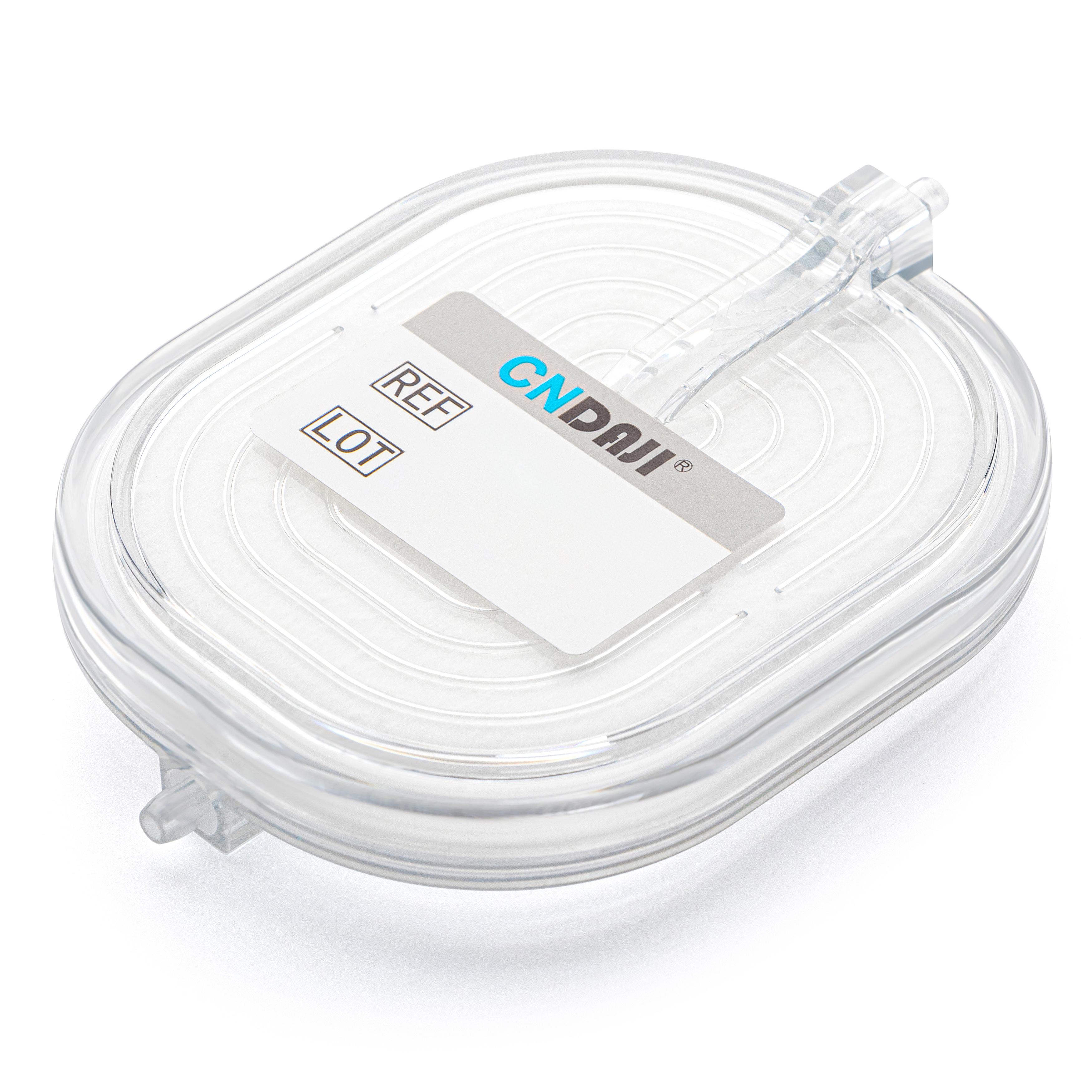
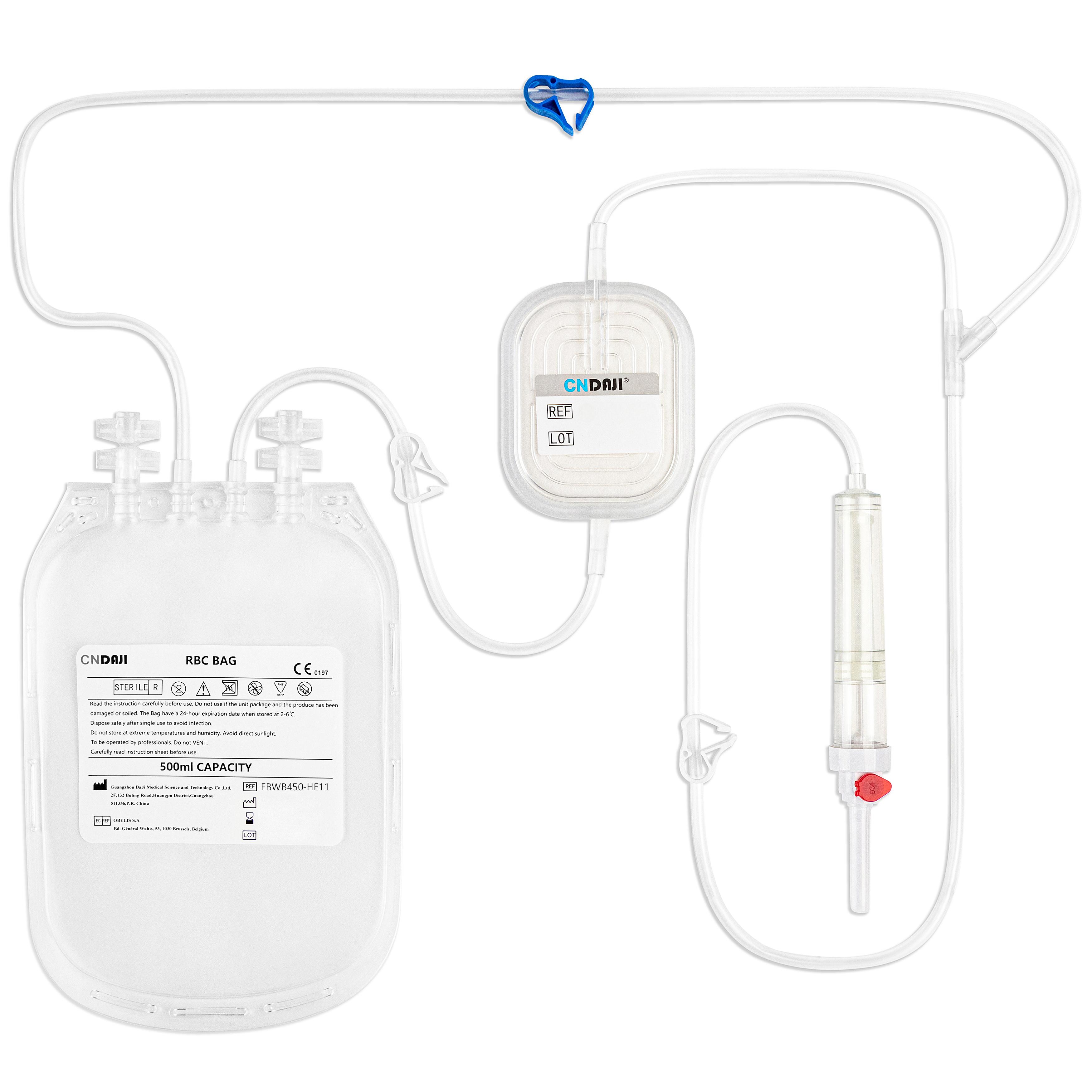
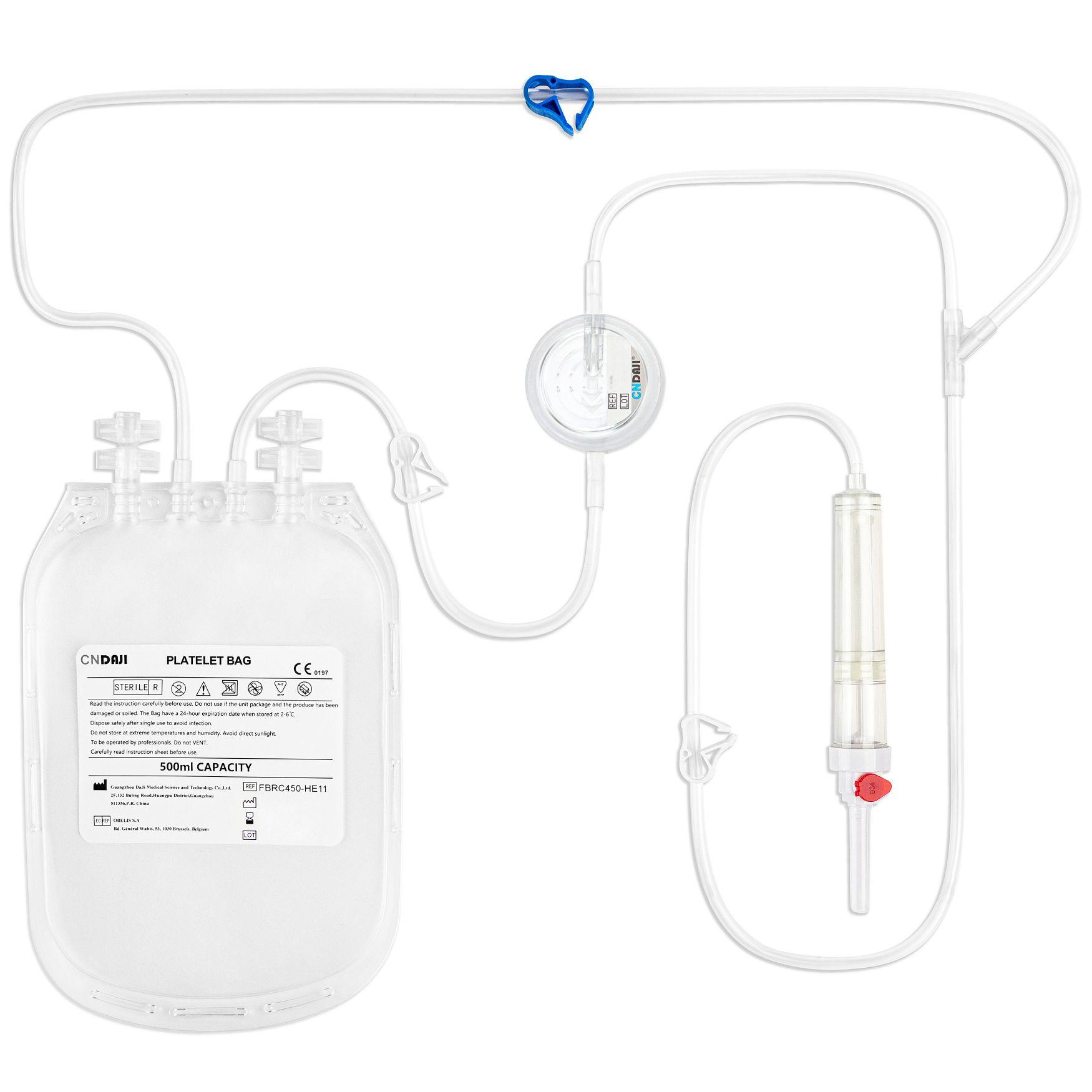
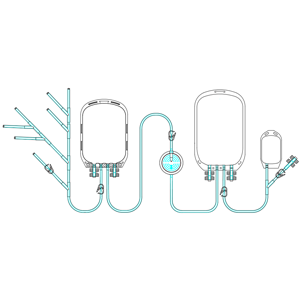
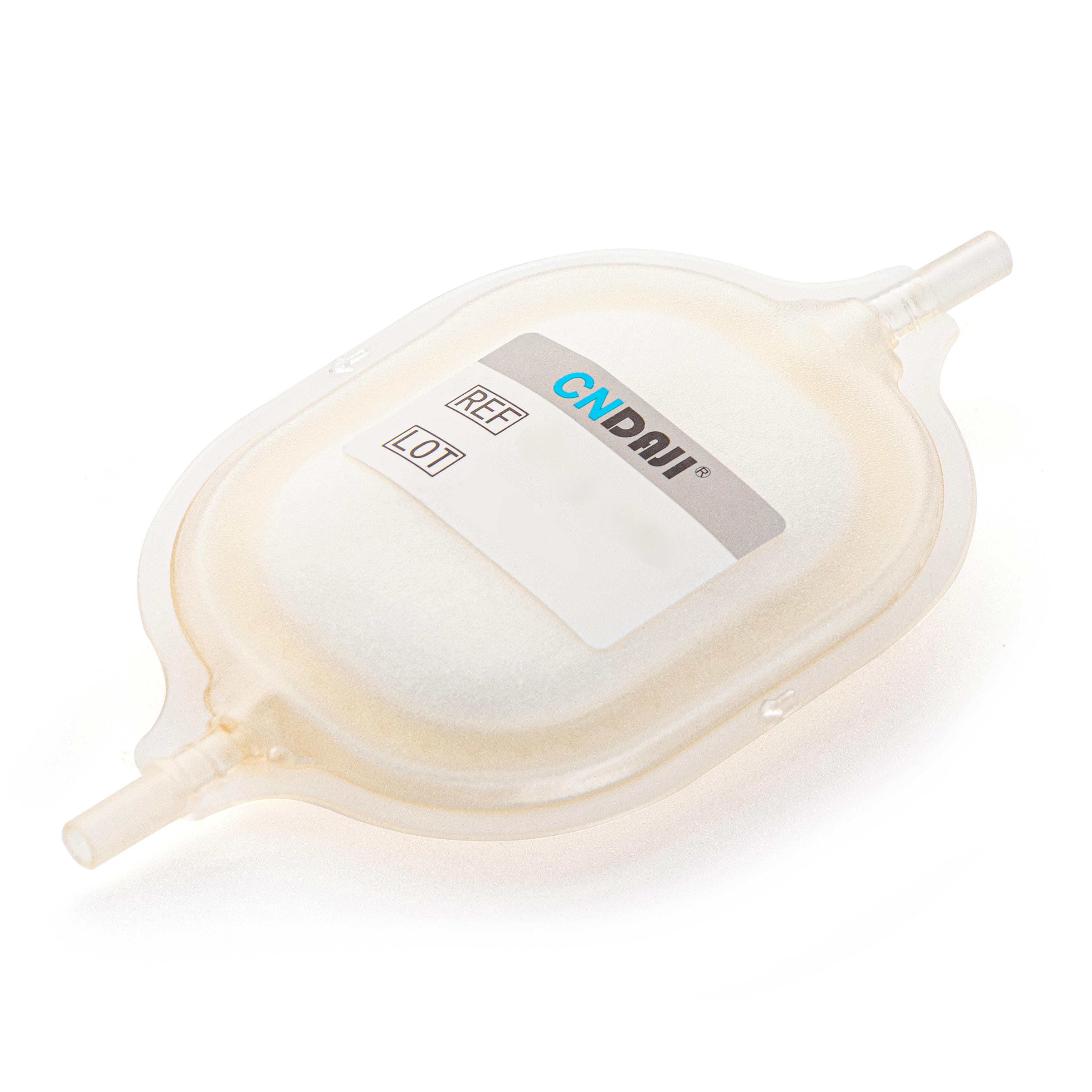
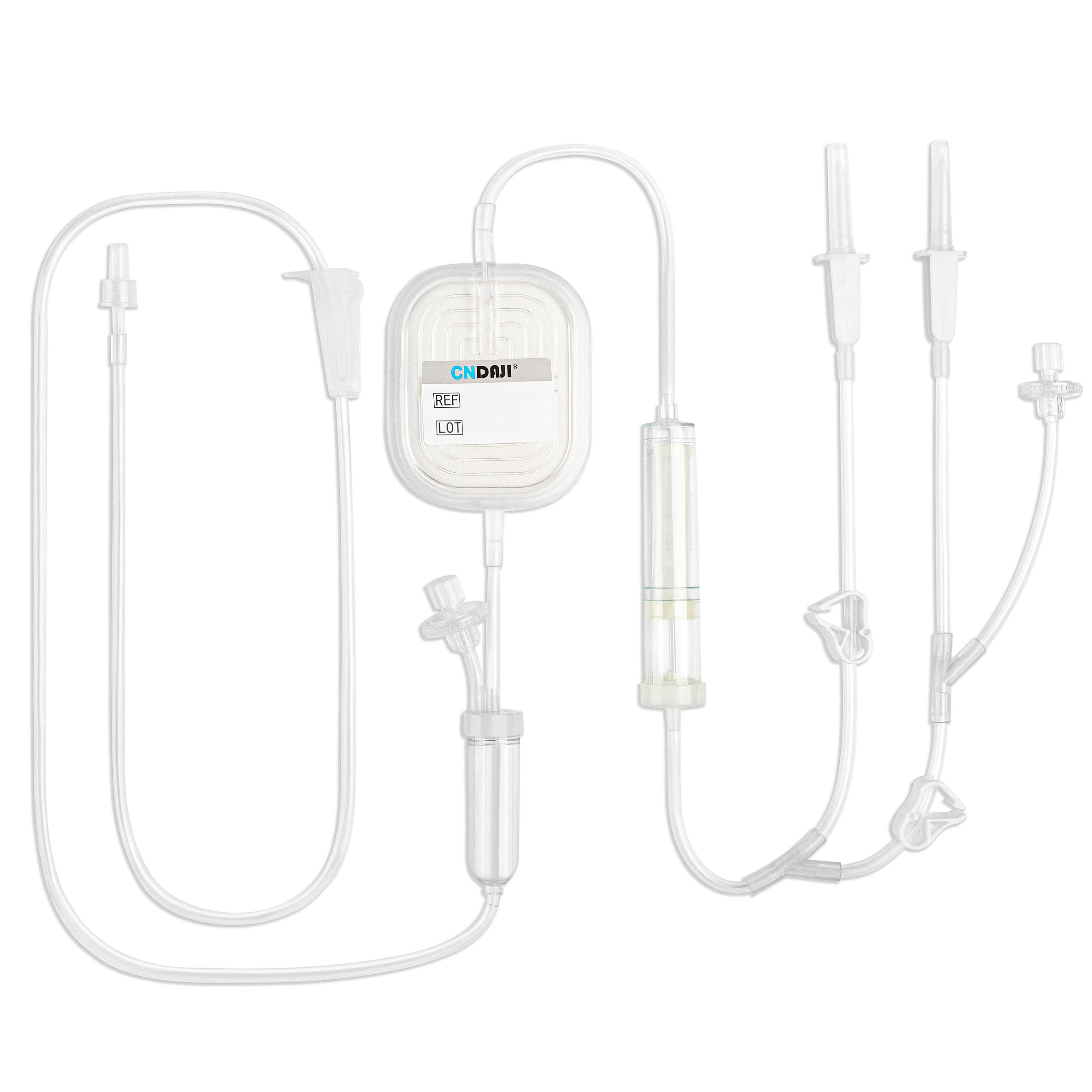
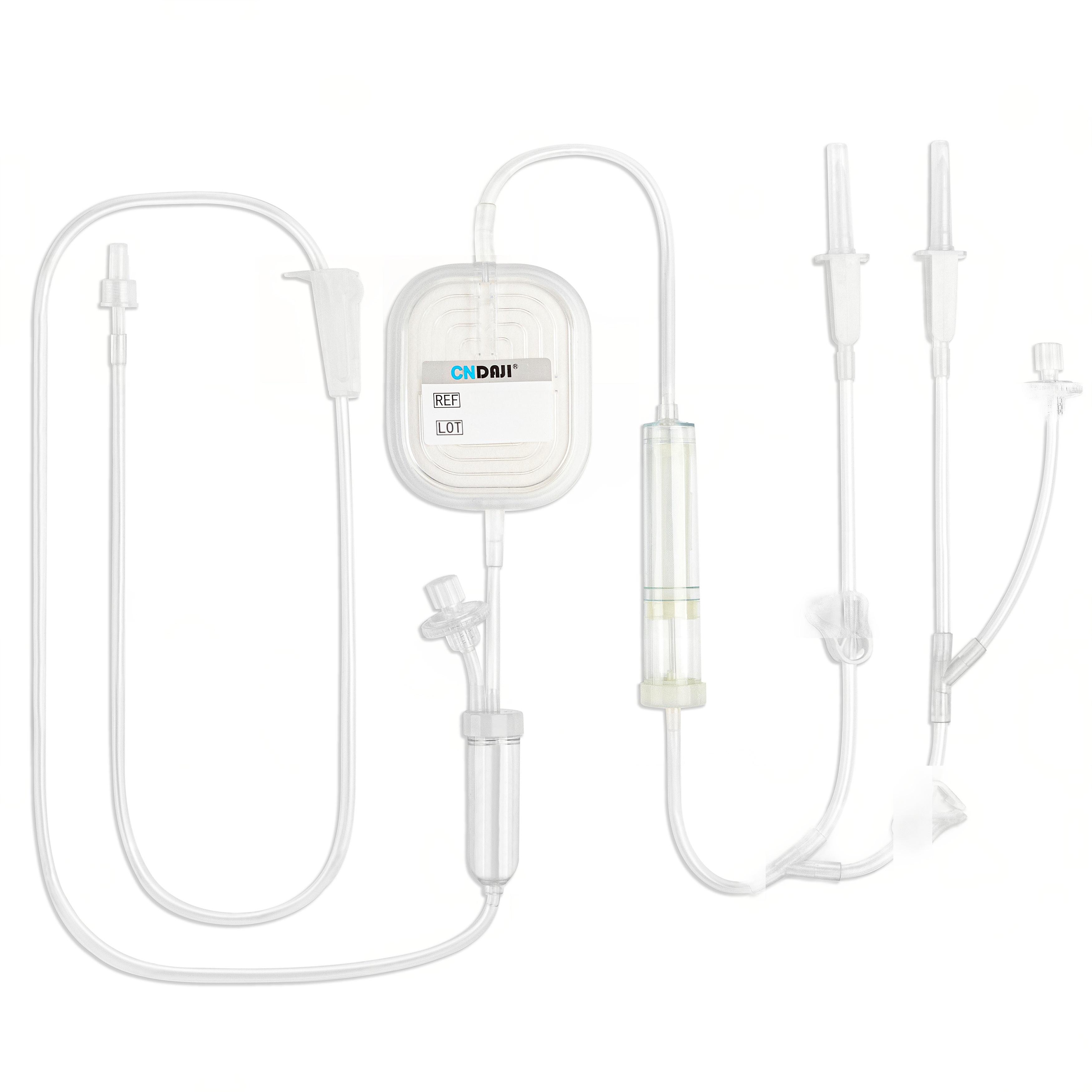
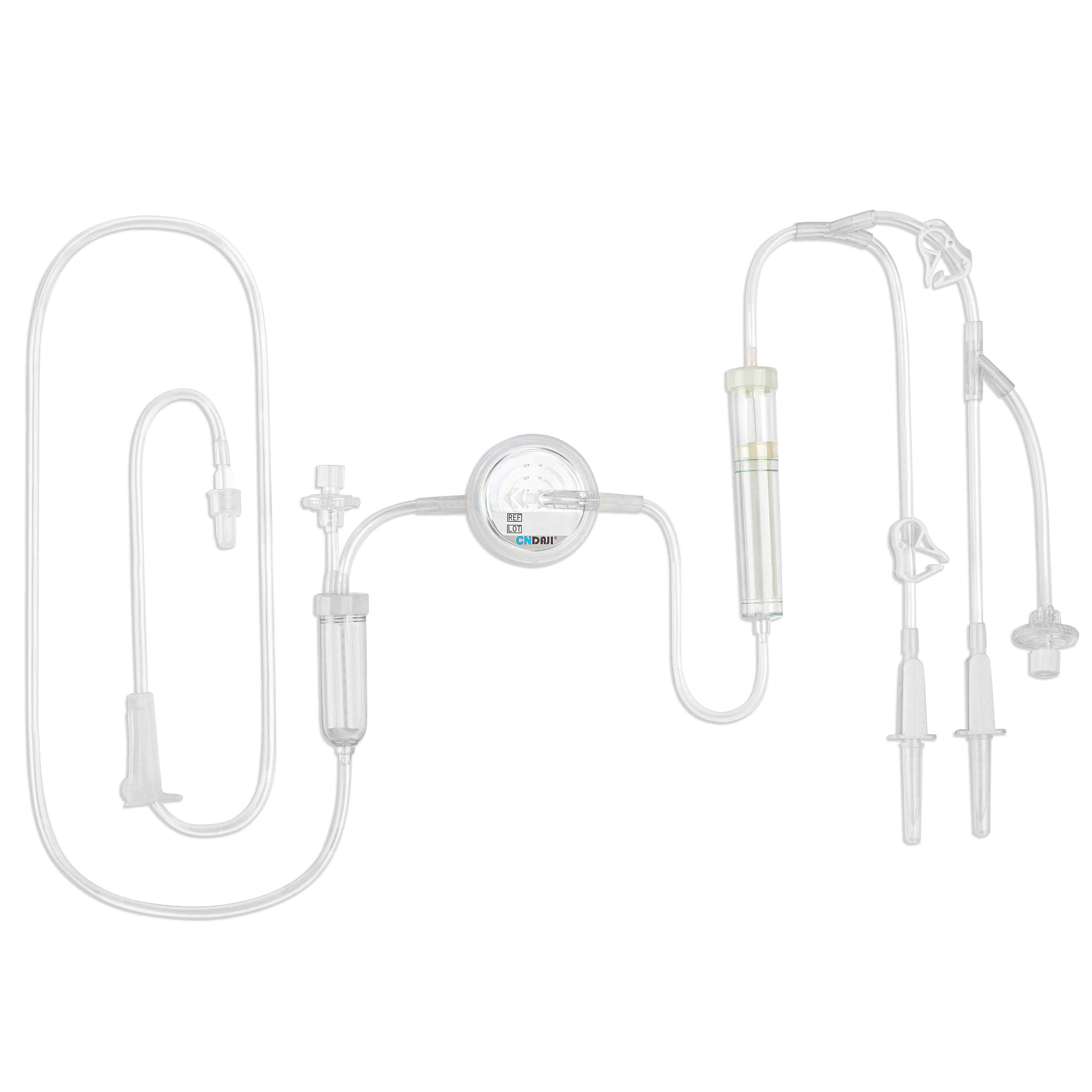
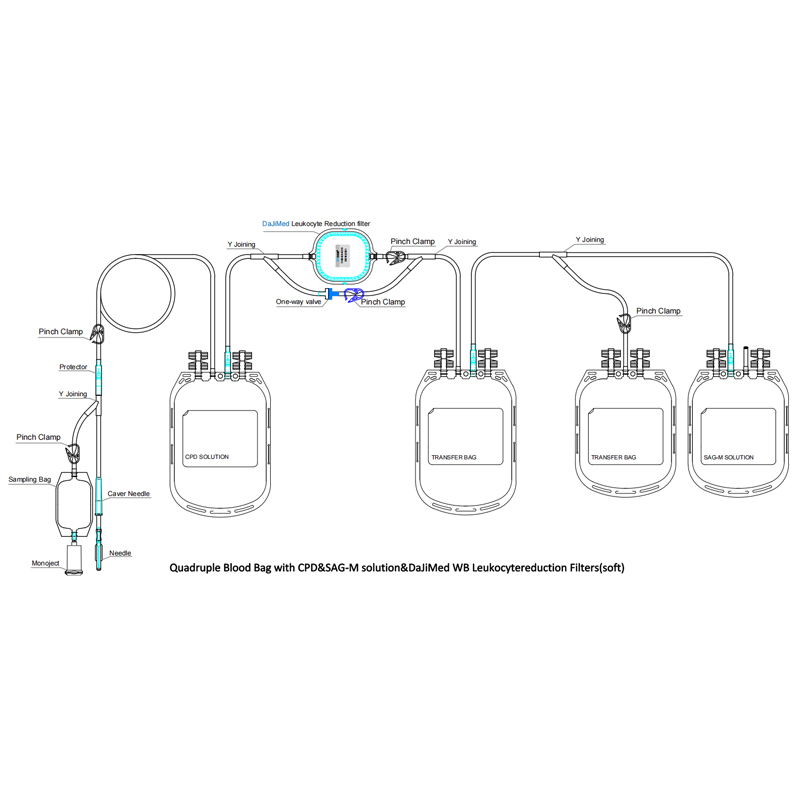
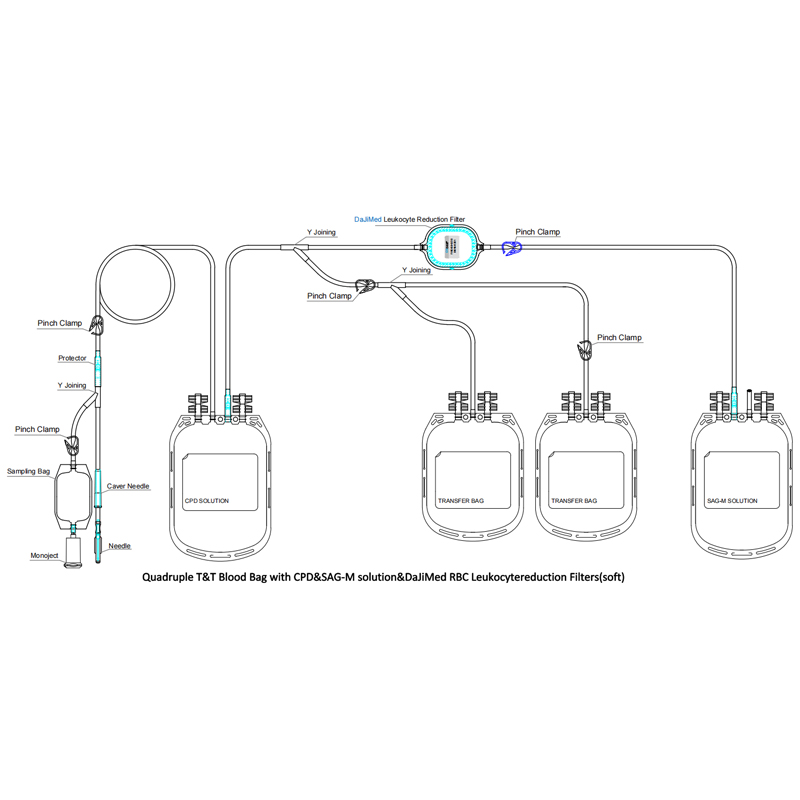
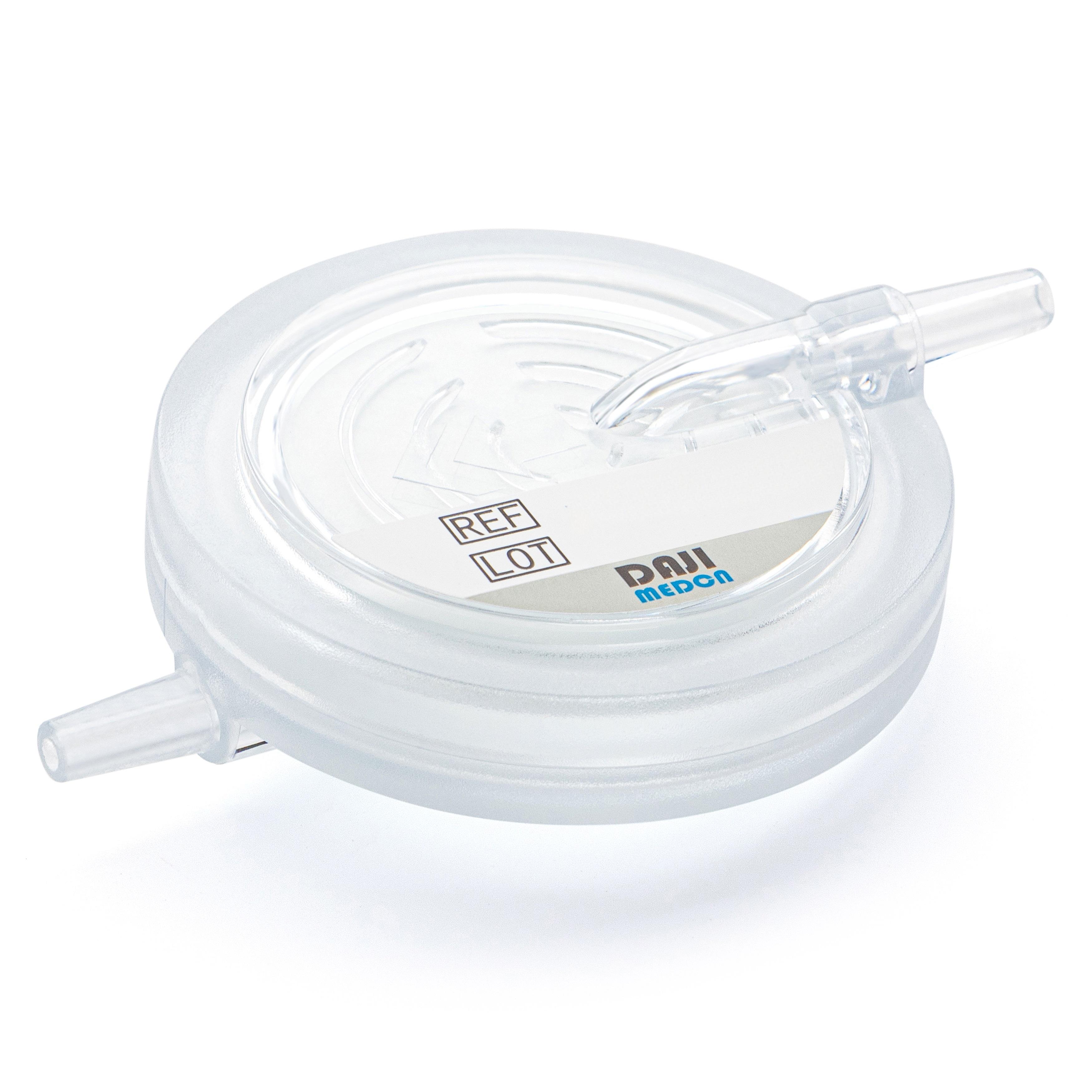
As blood safety regulations continue to evolve worldwide, leukocyte reduction has become a standard practice in modern blood collection and transfusion systems. Blood centers are under increasing pressure to improve blood product quality, reduce transfusion-related complications, comply with regulatory requirements, and optimize operational efficiency. As a result, selecting the right leukocyte reduction filter supplier is no longer a simple purchasing decision—it is a strategic choice that directly impacts patient safety, blood processing performance, and long-term operational reliability.
For procurement managers, technical evaluators, blood bank directors, and government healthcare agencies, understanding how leading blood centers evaluate leukocyte reduction filter manufacturers can help establish more effective supplier selection criteria.
This article explores the key factors global blood centers consider when selecting leukocyte reduction filter suppliers and provides a practical framework for evaluating potential partners.
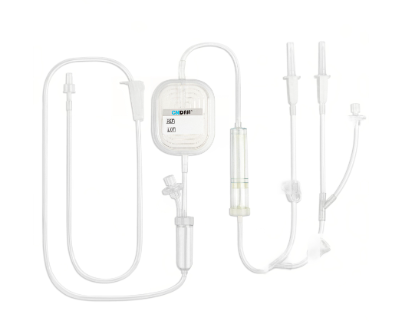
Leukocyte reduction, also known as leukodepletion or leukocyte removal, refers to the process of removing white blood cells from blood components before transfusion.
The primary objectives of leukocyte reduction include:
· Reducing febrile non-hemolytic transfusion reactions (FNHTRs)
· Minimizing HLA alloimmunization
· Lowering the risk of CMV transmission
· Improving blood component storage quality
· Enhancing transfusion safety
· Supporting compliance with national and international blood safety standards
Many countries have adopted universal leukoreduction policies or require leukocyte reduction for specific patient populations. Consequently, blood centers increasingly prioritize high-performance leukocyte reduction filters as an essential part of their blood processing workflow.
The first and most critical evaluation criterion is filtration performance.
A leukocyte reduction filter must consistently achieve the required residual leukocyte level while preserving valuable blood components.
Procurement teams typically assess:
· Leukocyte removal rate
· Residual leukocyte count after filtration
· Red blood cell recovery rate
· Platelet recovery rate
· Plasma recovery efficiency
· Filtration consistency across multiple production batches
A filter that demonstrates stable leukocyte depletion performance under varying operating conditions is generally preferred over products that only perform well under laboratory testing environments.
Blood centers often request validation reports and independent testing data to verify filtration performance before making procurement decisions.
Regulatory compliance is a fundamental requirement in blood processing procurement.
Before approving a supplier, blood centers usually verify whether products comply with applicable regulations and quality management standards.
Common requirements include:
· CE certification
· ISO 13485 certification
· Product validation reports
· Sterility testing reports
· Biocompatibility testing
· Risk management documentation
· Traceability systems
For government tenders and national blood service programs, incomplete regulatory documentation can eliminate a supplier from consideration regardless of product quality.
Therefore, suppliers capable of providing comprehensive technical files and quality documentation typically gain a significant competitive advantage.
Global blood centers understand that blood filtration products are only as reliable as the manufacturing systems behind them.
Consequently, supplier audits often focus on manufacturing capabilities rather than simply reviewing product specifications.
Key evaluation areas include:
Blood centers need assurance that suppliers can support long-term demand without interruptions.
Questions commonly asked include:
· What is the annual production capacity?
· Can emergency orders be fulfilled?
· Are multiple production lines available?
· Is production scalable during public health emergencies?
Leading blood centers prefer manufacturers with robust quality management systems covering:
· Incoming material inspection
· In-process quality control
· Finished product testing
· Batch traceability
· Corrective and preventive action systems
Consistent product performance across different batches is often considered more important than achieving exceptionally high performance in isolated tests.
Leukocyte reduction should not come at the expense of valuable blood components.
When evaluating suppliers, blood centers carefully analyze:
· Red blood cell recovery rates
· Platelet preservation performance
· Hemoglobin retention
· Plasma yield
A filter that removes leukocytes effectively while maximizing blood component recovery can significantly improve blood utilization efficiency.
Over time, even small improvements in recovery rates can generate substantial cost savings for large blood collection organizations.
Operational efficiency plays a major role in supplier selection.
Blood centers process thousands of blood units each year and require filtration systems that integrate seamlessly into existing workflows.
Evaluation criteria often include:
Personnel should be able to operate the filter system with minimal training.
Faster filtration cycles help improve laboratory productivity.
Filters should integrate smoothly with existing blood bags, processing equipment, and storage procedures.
Simplified procedures reduce opportunities for contamination and operator error.
Blood centers generally favor solutions that improve workflow efficiency while maintaining consistent filtration performance.
One of the most overlooked procurement factors is supply stability.
Even a technically superior filter can become problematic if deliveries are inconsistent.
Blood centers typically evaluate:
· Inventory management systems
· Lead times
· Logistics capabilities
· International shipping experience
· Emergency supply response plans
· Historical delivery performance
The COVID-19 pandemic highlighted the importance of resilient medical supply chains. Since then, many procurement teams have placed greater emphasis on supplier reliability and business continuity planning.
Blood centers rarely purchase products alone—they purchase technical support capabilities as well.
Suppliers are often evaluated based on their ability to provide:
· Product training
· Validation support
· Regulatory documentation
· Technical consultation
· Application guidance
· Tender support documentation
Strong technical support can significantly reduce implementation risks and improve long-term customer satisfaction.
For large procurement projects, technical responsiveness may become a deciding factor when comparing suppliers with similar product performance.
Price remains an important consideration, but leading blood centers increasingly focus on total value rather than lowest initial cost.
Procurement teams assess:
· Product acquisition cost
· Blood recovery efficiency
· Operational labor costs
· Filtration speed
· Product failure rates
· Supply reliability
· Technical support quality
A lower-priced filter that results in higher blood losses, slower processing times, or inconsistent performance may ultimately increase operational costs.
Therefore, the most successful suppliers position themselves as value providers rather than low-cost vendors.
Despite extensive procurement processes, some organizations still encounter supplier-related challenges.
Common mistakes include:
Low-cost products may introduce hidden operational risks.
Product brochures cannot replace direct evaluation of manufacturing capabilities.
Insufficient production capacity can create serious disruptions.
Certifications are important, but actual product performance remains critical.
Supplier relationships often extend for many years. Strategic compatibility should be considered alongside technical specifications.
Before making a final decision, blood centers should verify:
✓ Leukocyte removal efficiency
✓ Blood component recovery performance
✓ CE and ISO 13485 compliance
✓ Manufacturing capacity
✓ Batch-to-batch consistency
✓ Supply chain stability
✓ Technical documentation availability
✓ Tender support capability
✓ Application expertise
✓ Long-term service commitment
Using a structured evaluation process helps reduce procurement risks and improves the likelihood of establishing successful long-term supplier partnerships.
The selection of a leukocyte reduction filter supplier is a critical decision that directly influences blood safety, operational efficiency, regulatory compliance, and patient outcomes. Global blood centers increasingly evaluate suppliers based on a combination of filtration performance, quality consistency, manufacturing capability, regulatory compliance, supply reliability, and long-term support.
Organizations that adopt a comprehensive supplier evaluation framework are better positioned to achieve sustainable blood processing excellence while maintaining the highest standards of transfusion safety.
For blood centers, hospitals, plasma collection facilities, and medical distributors seeking reliable leukoreduction solutions, DaJiMed provides high-performance leukocyte reduction filter sets backed by advanced manufacturing capabilities, rigorous quality control systems, comprehensive regulatory documentation, and dependable global supply support. Contact our team today to discuss your blood processing requirements and discover how DaJiMed can help optimize your leukoreduction programs.

No. 132 Buling Road, Huangpu District, Guangzhou, P.R.China



Copyright © Guangzhou DaJi Medical Science and Technology Co., Ltd. All Rights Reserved Sitemap | Powered by