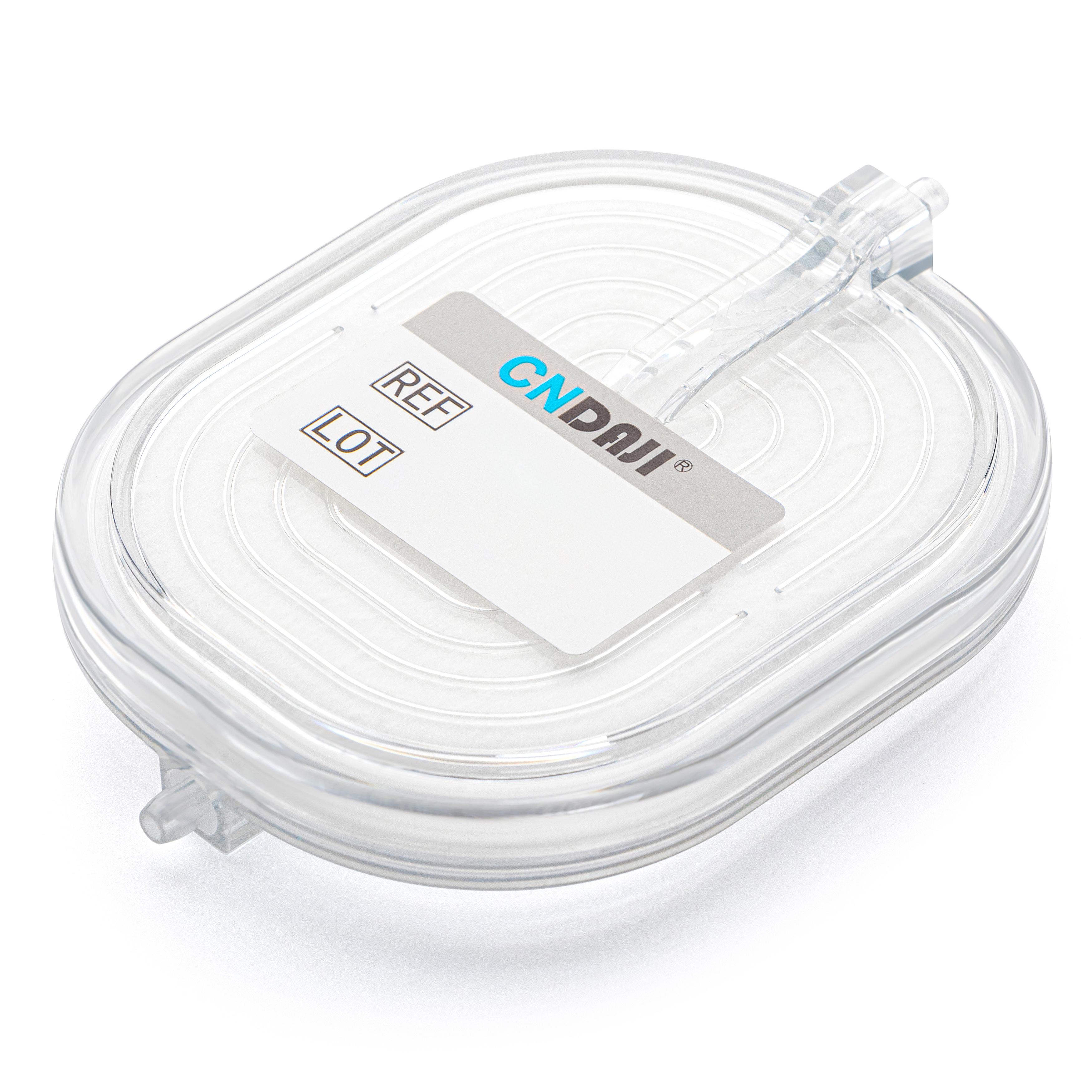
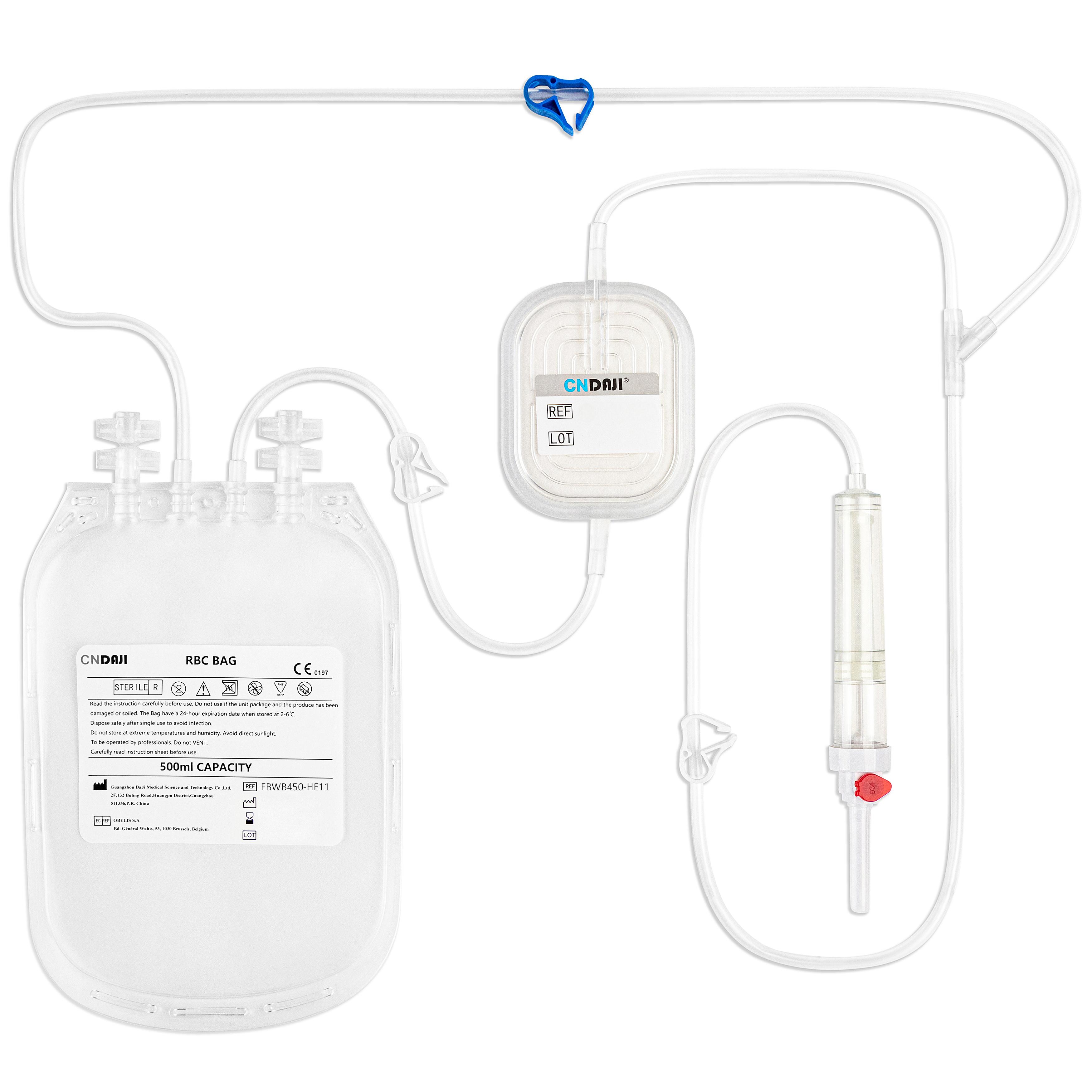
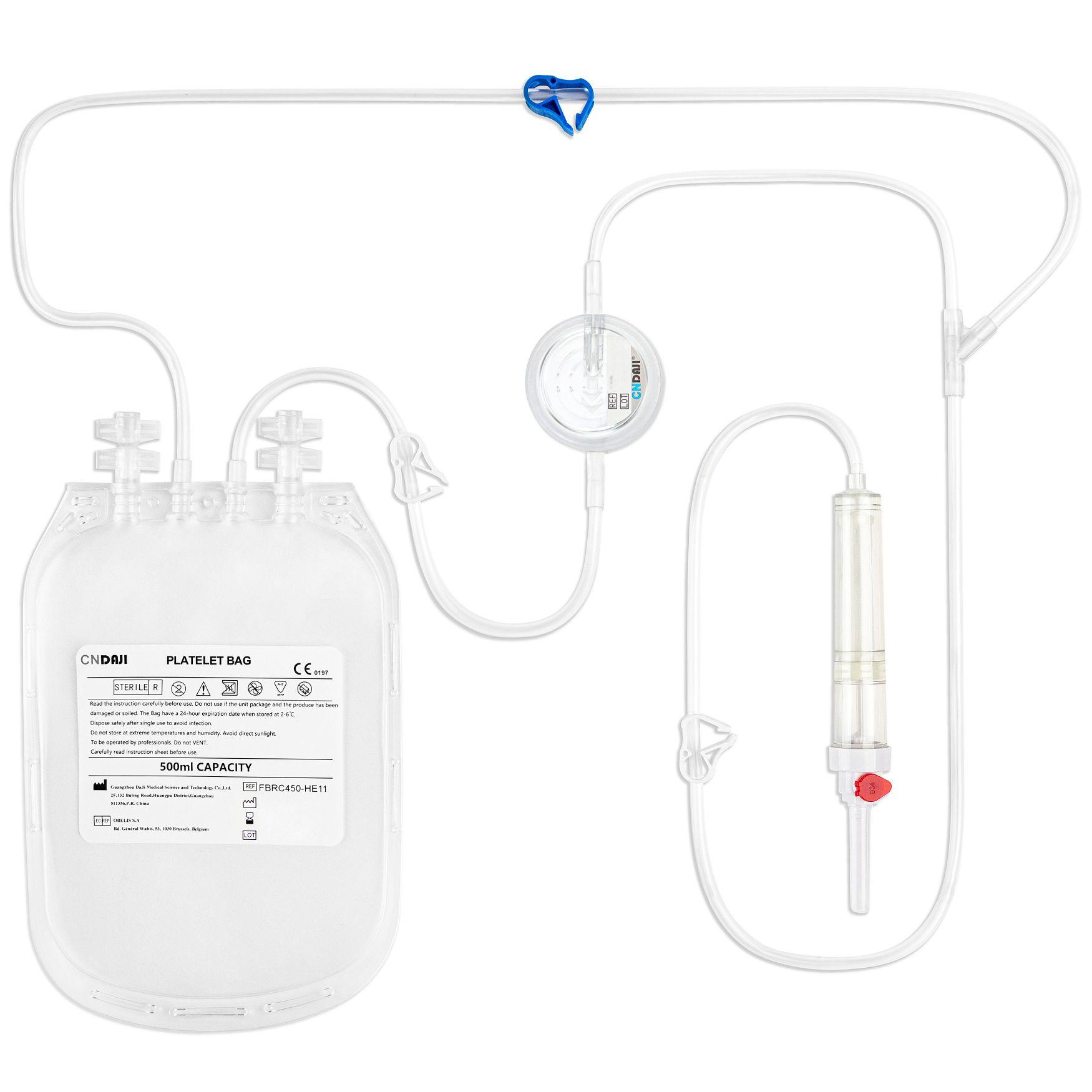
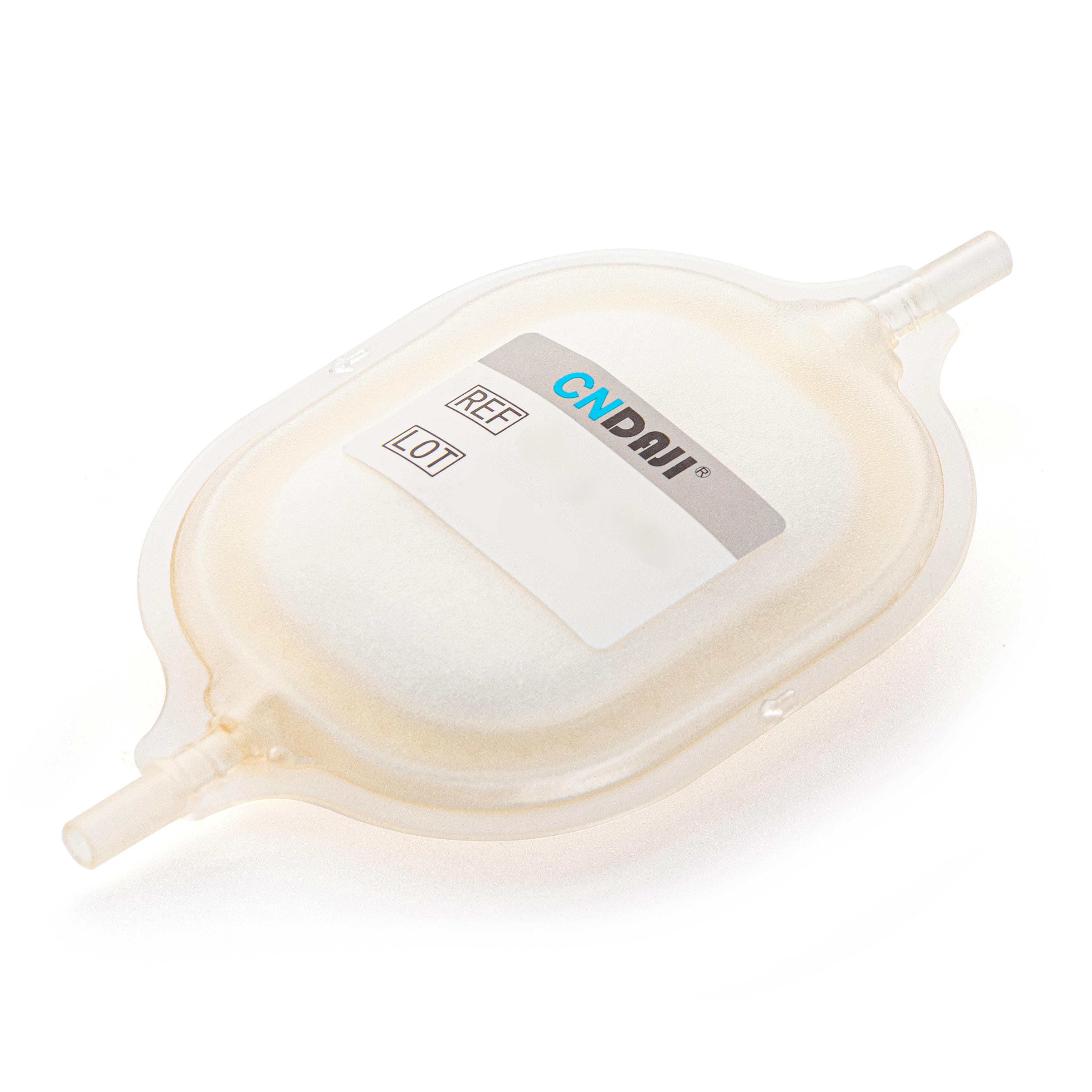
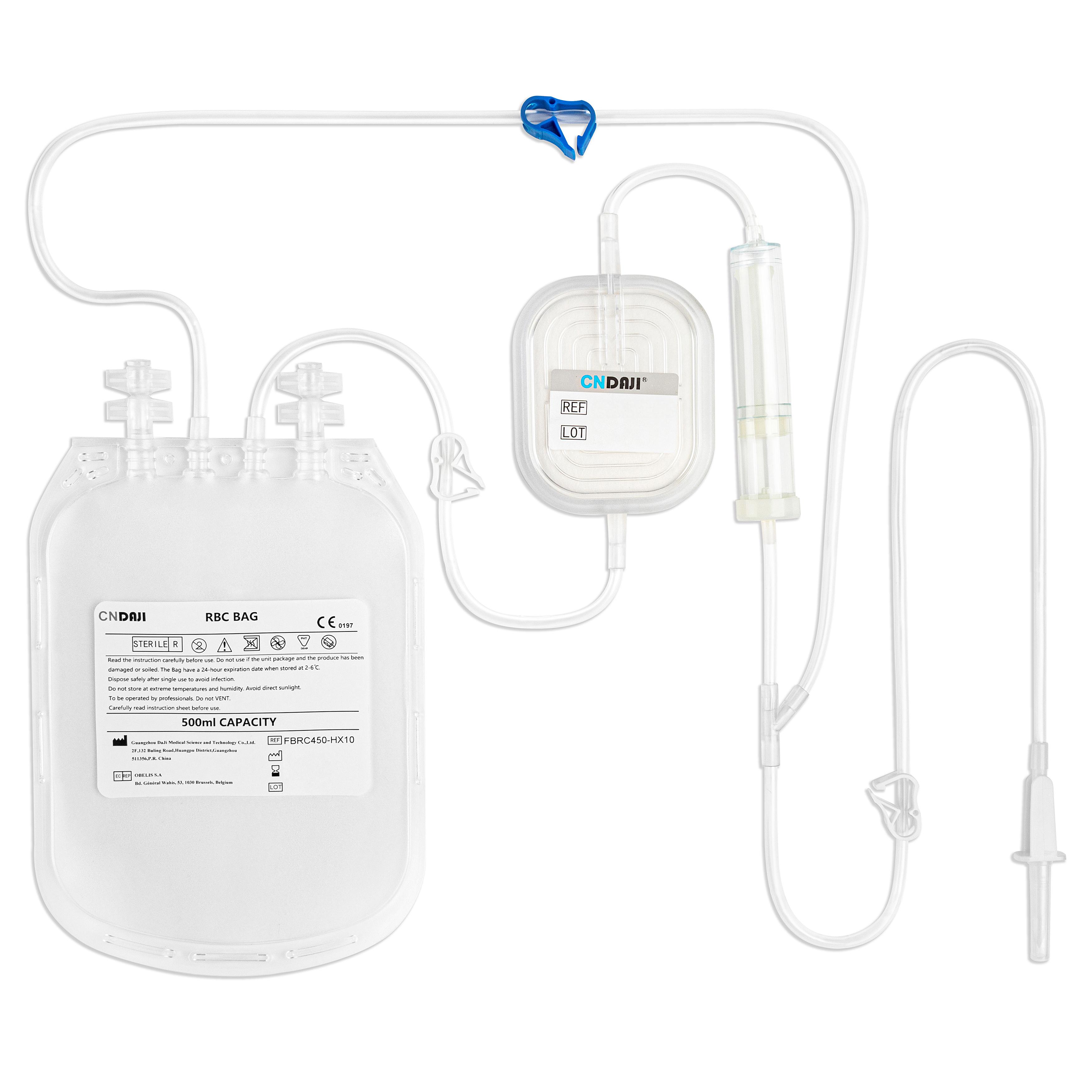
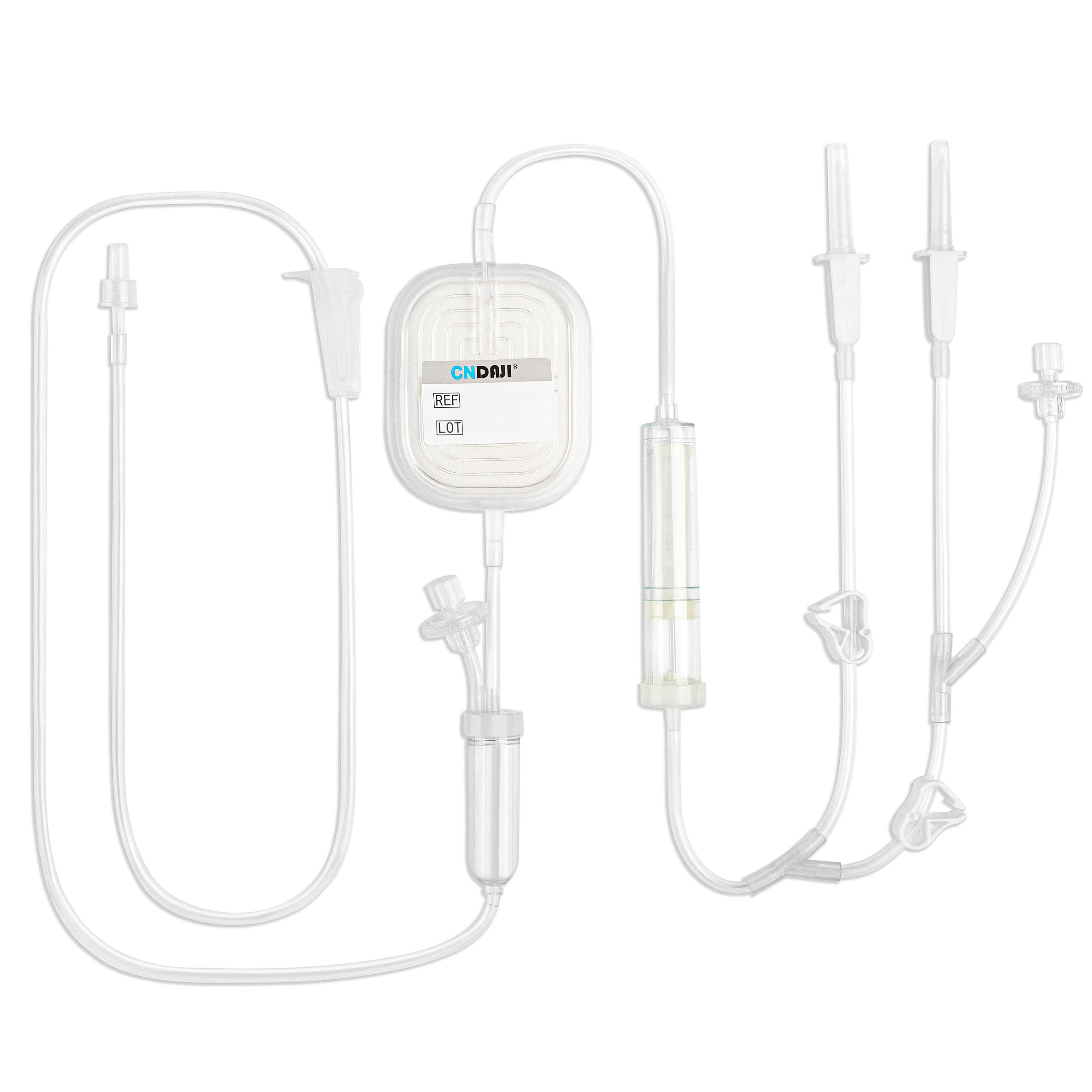
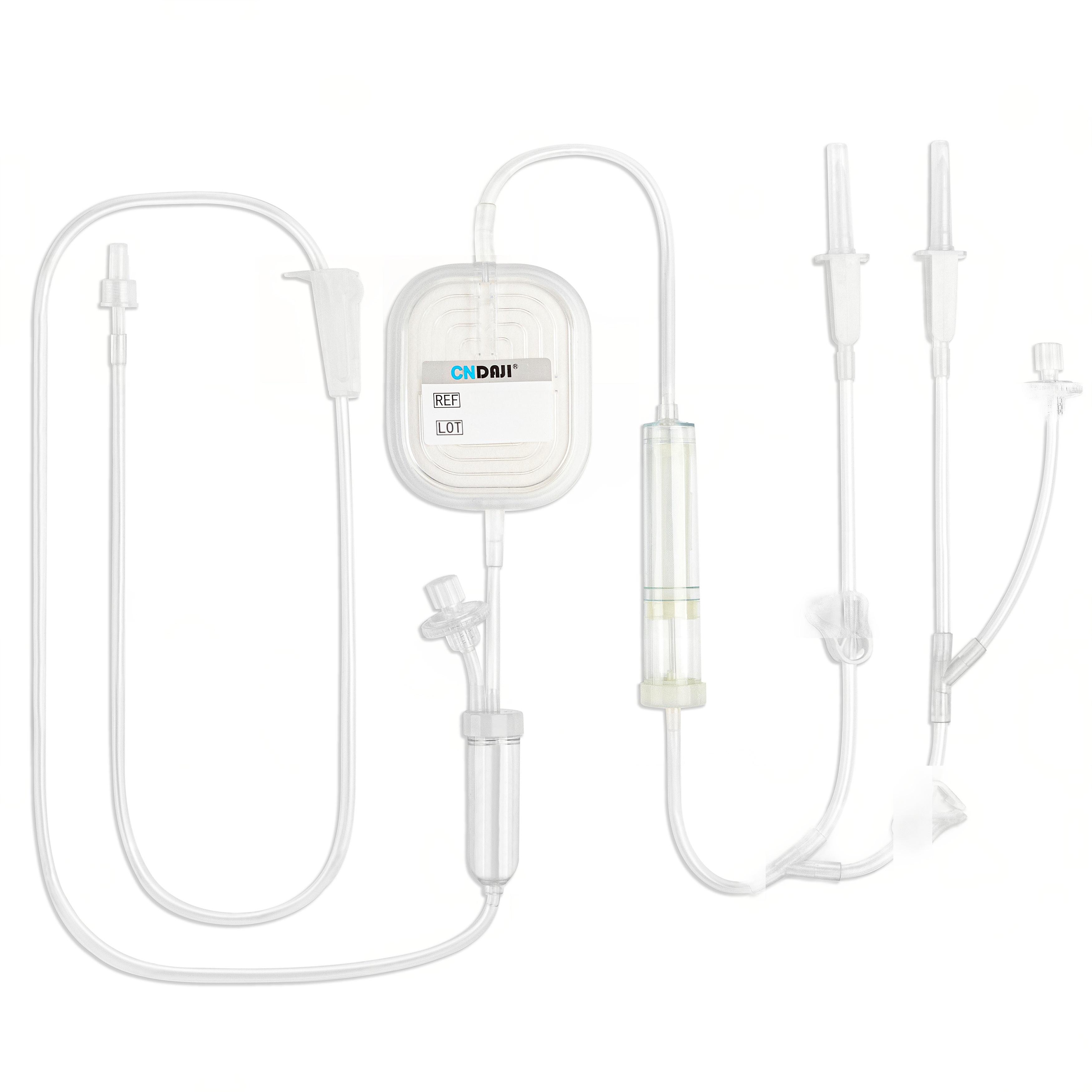
In modern transfusion medicine, leukodepletion has become a critical step in blood processing. As blood centers, hospitals, plasma collection facilities, and transfusion services strive to improve blood safety and comply with increasingly stringent regulations, selecting a high-quality leukodepletion filter is more important than ever.
However, many procurement professionals face a common challenge: how can they objectively evaluate the performance of different leukodepletion filters?
Product brochures often emphasize superior filtration efficiency, advanced materials, and regulatory certifications. Yet these claims alone do not provide enough information to determine whether a filter will consistently deliver reliable performance in real-world blood processing environments.
To make informed purchasing decisions, blood centers and healthcare organizations must focus on measurable Key Performance Indicators (KPIs) that directly impact blood quality, operational efficiency, regulatory compliance, and long-term costs.
This article explores the most important KPIs used worldwide to evaluate high-quality leukodepletion filters and explains why each metric matters.
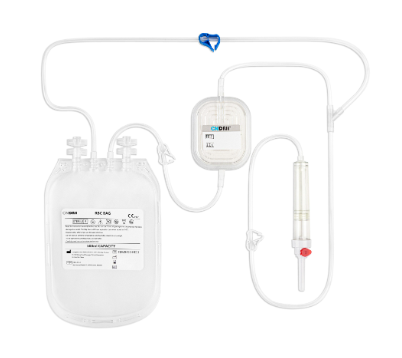
A leukodepletion filter performs a highly specialized function: removing leukocytes from blood components while preserving the therapeutic value of red blood cells, platelets, or plasma.
An effective filter must achieve several objectives simultaneously:
· Efficient leukocyte removal
· Preservation of valuable blood components
· Consistent performance across production batches
· Reliable operation under routine processing conditions
· Compliance with national and international standards
Evaluating filters based solely on price or marketing claims can lead to inconsistent blood quality, increased operational costs, and procurement risks.
By focusing on performance-based KPIs, procurement teams can compare products objectively and identify suppliers capable of supporting long-term blood safety goals.
The most fundamental performance indicator is leukocyte removal efficiency.
This KPI measures the percentage of white blood cells removed during filtration.
High-quality leukocyte reduction filters are designed to remove the vast majority of leukocytes while maintaining stable performance throughout the filtration process.
Procurement teams should evaluate:
· Average leukocyte removal rate
· Consistency across multiple batches
· Performance under varying blood conditions
· Validation testing results
A filter with excellent leukocyte removal performance helps reduce the risk of transfusion-related complications and supports compliance with blood safety protocols.
While removal efficiency is important, residual leukocyte count is often considered the more clinically relevant measurement.
This KPI measures the number of leukocytes remaining in the blood product after filtration.
Blood centers frequently establish strict residual leukocyte limits to comply with national standards and internal quality requirements.
A high-quality leukodepletion filter should consistently achieve low residual leukocyte levels across different processing conditions.
When comparing products, procurement teams should request:
· Validation reports
· Batch testing data
· Third-party verification results
· Statistical performance consistency records
The ability to maintain low residual leukocyte counts is one of the strongest indicators of overall filtration quality.
Effective leukocyte removal should not result in excessive loss of red blood cells.
Red blood cell recovery rate measures how many red blood cells remain available for clinical use after filtration.
This KPI directly affects:
· Blood utilization efficiency
· Inventory management
· Cost effectiveness
· Blood supply sustainability
Even small differences in red blood cell recovery can significantly impact operational costs when processing thousands of blood units annually.
A high-quality filter should combine excellent leukocyte depletion with minimal red blood cell loss.
For platelet processing applications, platelet recovery becomes a critical evaluation metric.
Poor filter design can lead to unnecessary platelet loss during leukocyte reduction.
Blood centers processing platelet concentrates should carefully assess:
· Platelet retention rates
· Functional platelet preservation
· Filtration consistency
· Post-filtration platelet quality
Higher platelet recovery improves product availability while reducing donor collection requirements.
Processing speed is an important operational KPI that is often overlooked.
Blood centers process large volumes of blood products daily, making workflow efficiency a major consideration.
A high-quality leukocyte reduction filter should provide:
· Predictable filtration times
· Smooth blood flow characteristics
· Minimal processing delays
· Consistent performance throughout the filtration cycle
Excessive filtration times can create workflow bottlenecks, increase labor costs, and reduce processing capacity.
When evaluating suppliers, organizations should request actual filtration time data obtained under routine operating conditions.
One of the primary goals of leukocyte reduction is to improve blood quality without compromising therapeutic effectiveness.
A quality leukodepletion filter should preserve:
· Red blood cells
· Platelets
· Plasma proteins
· Hemoglobin content
· Functional blood characteristics
Procurement teams should examine performance data that demonstrates effective blood component preservation following filtration.
The best filters balance aggressive leukocyte removal with gentle blood component handling.
Consistency is often more important than achieving exceptional performance in isolated laboratory tests.
Blood centers require predictable outcomes for every processed blood unit.
Therefore, suppliers should demonstrate:
· Stable manufacturing processes
· Consistent filtration results
· Reliable product quality
· Controlled production environments
Batch variability can introduce operational uncertainty and increase quality control challenges.
Many procurement teams place significant emphasis on consistency when selecting long-term suppliers.
Even a highly efficient filter can become problematic if reliability is poor.
Filter failure rate measures the frequency of issues such as:
· Incomplete filtration
· Flow interruptions
· Structural defects
· Leakage
· Performance deviations
Low failure rates reduce waste, minimize rework, and improve operational confidence.
Suppliers should be able to provide documented quality control procedures and historical product performance records.
Compliance-related KPIs are increasingly important in modern procurement processes.
Healthcare organizations often evaluate:
· CE certification status
· ISO 13485 compliance
· Product validation records
· Sterility assurance
· Biocompatibility testing
· Traceability systems
Regulatory compliance provides assurance that products have been manufactured according to internationally recognized quality standards.
For government tenders and public healthcare projects, regulatory readiness can significantly influence supplier selection decisions.
Product performance alone is not sufficient.
Blood centers require dependable access to critical blood processing consumables.
Supply reliability indicators include:
· Production capacity
· Inventory management systems
· Lead times
· Delivery performance
· Emergency supply capabilities
· Global logistics support
The most effective leukodepletion filter provides little value if it cannot be delivered consistently when needed.
Supply reliability has become one of the most important procurement criteria in recent years.
A high-quality supplier should support products with comprehensive documentation.
Key documents may include:
· Product specifications
· Validation reports
· Quality certificates
· Regulatory files
· Instructions for use
· Risk management documentation
Well-documented products simplify audits, tender submissions, regulatory reviews, and quality assurance activities.
Many procurement teams view documentation quality as a reflection of the manufacturer's overall professionalism and commitment to compliance.
Price is only one component of procurement value.
Leading blood centers increasingly evaluate total cost of ownership (TCO), which includes:
· Product purchase cost
· Blood component recovery performance
· Processing efficiency
· Labor requirements
· Product reliability
· Waste reduction
· Supply stability
A filter with a slightly higher purchase price may generate significant operational savings through improved performance and reduced blood loss.
This broader perspective helps organizations make more strategic procurement decisions.
Many buyers focus on a single performance metric while overlooking other critical indicators.
Common evaluation mistakes include:
Low-cost products may result in higher operational expenses over time.
Excellent leukocyte removal is valuable only if blood component preservation remains high.
Consistent production processes are essential for predictable performance.
Supply disruptions can negatively affect blood processing operations.
Independent performance verification remains one of the most reliable evaluation tools.
A balanced assessment of all major KPIs provides a more accurate picture of long-term product value.
Before selecting a leukocyte reduction filter supplier, procurement teams should confirm:
✓ Leukocyte removal efficiency
✓ Residual leukocyte count
✓ Red blood cell recovery rate
✓ Platelet recovery performance
✓ Blood component preservation
✓ Filtration time
✓ Batch consistency
✓ Product reliability
✓ Regulatory compliance
✓ Technical documentation support
✓ Supply chain stability
✓ Total cost of ownership
Using this structured framework can significantly reduce procurement risk and improve blood processing outcomes.
A high-quality leukodepletion filter is defined by far more than simple leukocyte removal performance. Blood centers, hospitals, plasma collection facilities, and transfusion services must evaluate a comprehensive set of key performance indicators, including residual leukocyte levels, blood component recovery, filtration efficiency, manufacturing consistency, regulatory compliance, and supply reliability.
Organizations that adopt KPI-driven procurement strategies are better positioned to improve blood safety, maximize operational efficiency, and establish long-term supplier partnerships that support sustainable transfusion medicine programs.
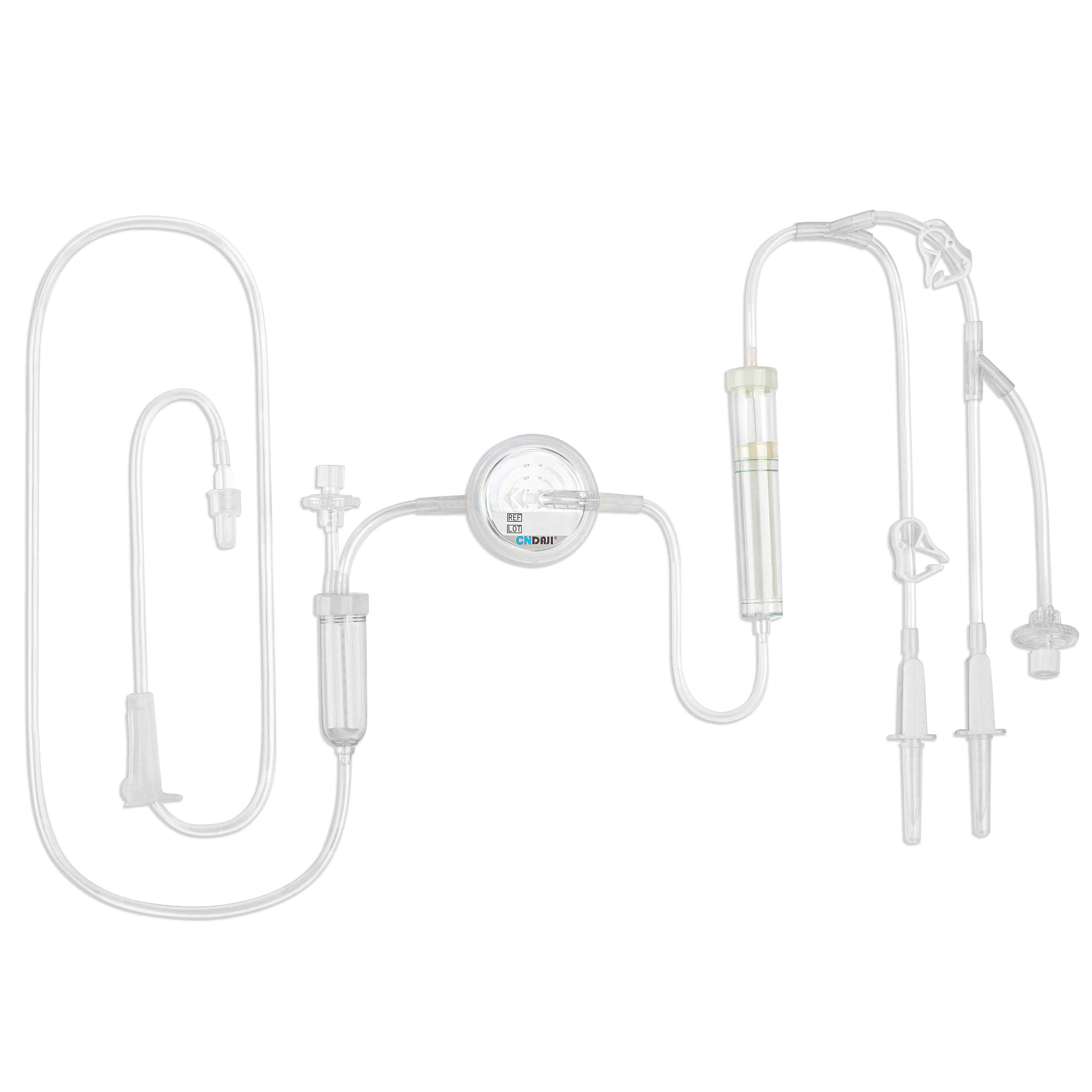
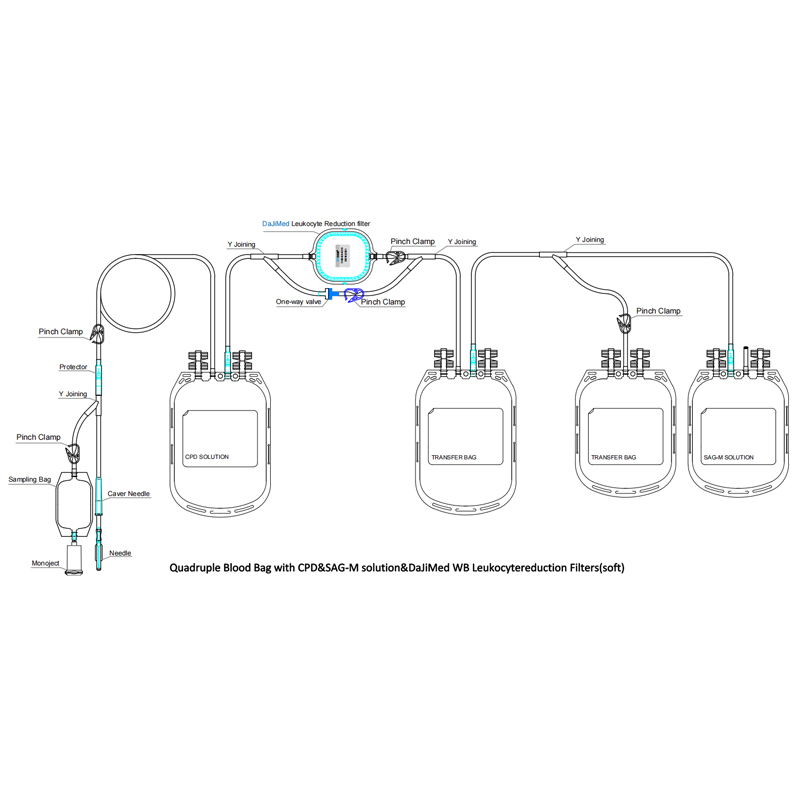
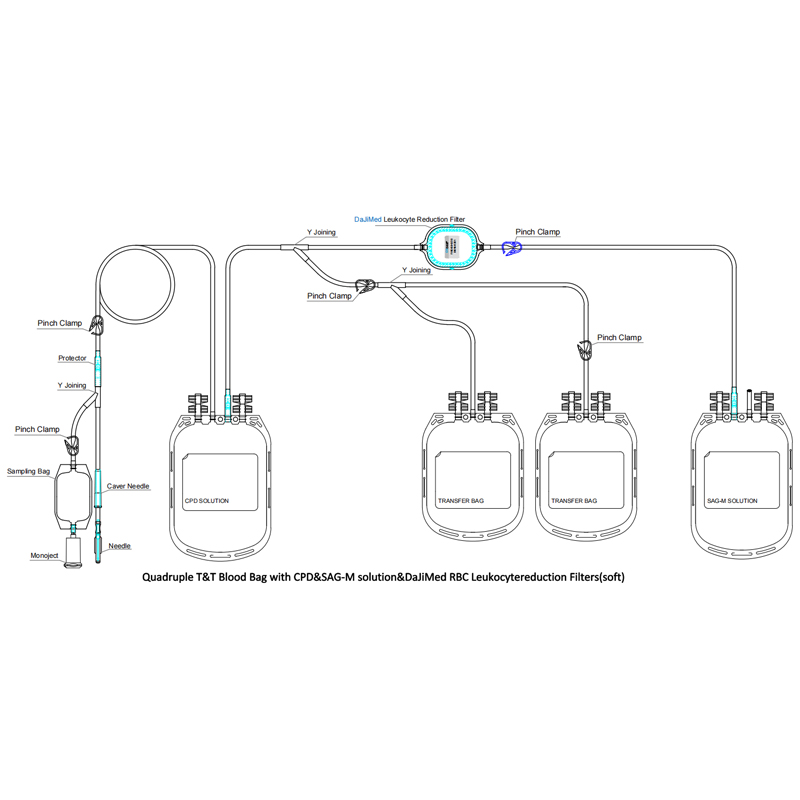
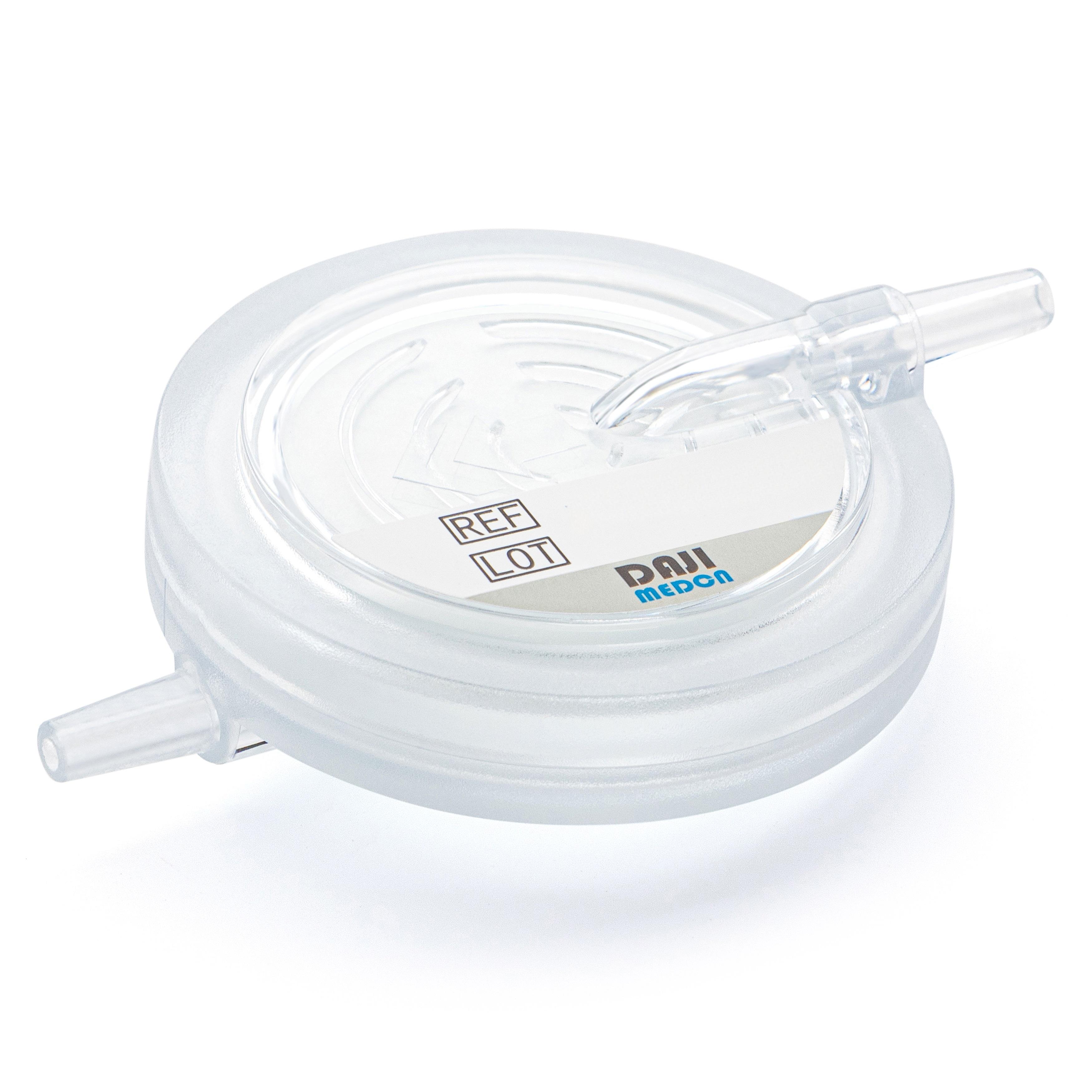
For healthcare organizations seeking dependable leukoreduction solutions, DaJiMed offers high-performance leukodepletion filter sets engineered to deliver reliable leukocyte removal, excellent blood component recovery, stringent quality control, and consistent global supply support. Contact our team to learn how our solutions can help optimize your blood processing operations and procurement objectives.

No. 132 Buling Road, Huangpu District, Guangzhou, P.R.China



Copyright © Guangzhou DaJi Medical Science and Technology Co., Ltd. All Rights Reserved Sitemap | Powered by