Private-label RBC filter manufacturing is not simply a matter of adding a brand name to an existing product. For blood bag manufacturers, medical distributors, and healthcare product companies, a successful OEM project must translate commercial requirements into a controlled technical specification, confirm that the selected filter works in the intended workflow, and establish a repeatable process before volume orders begin.
The most reliable approach is to move through clear decision gates: define the intended application, select the right filter platform, evaluate samples against agreed criteria, approve a controlled product configuration, complete a pilot run, and then scale production under change control. This sequence helps prevent a common problem in medical consumables sourcing: a sample that looks acceptable but cannot be reproduced consistently at commercial scale.
A private-label project allows a brand owner or distributor to source an RBC leukocyte reduction filter from a specialist manufacturer and place the finished product into its own commercial portfolio, subject to the applicable regulatory and contractual arrangements. The project may use an established filter design, a selected configuration from an existing product family, or a technically agreed modification. These options are not interchangeable: the more a project changes the original design, materials, connections, or intended use, the more development and verification work may be required.
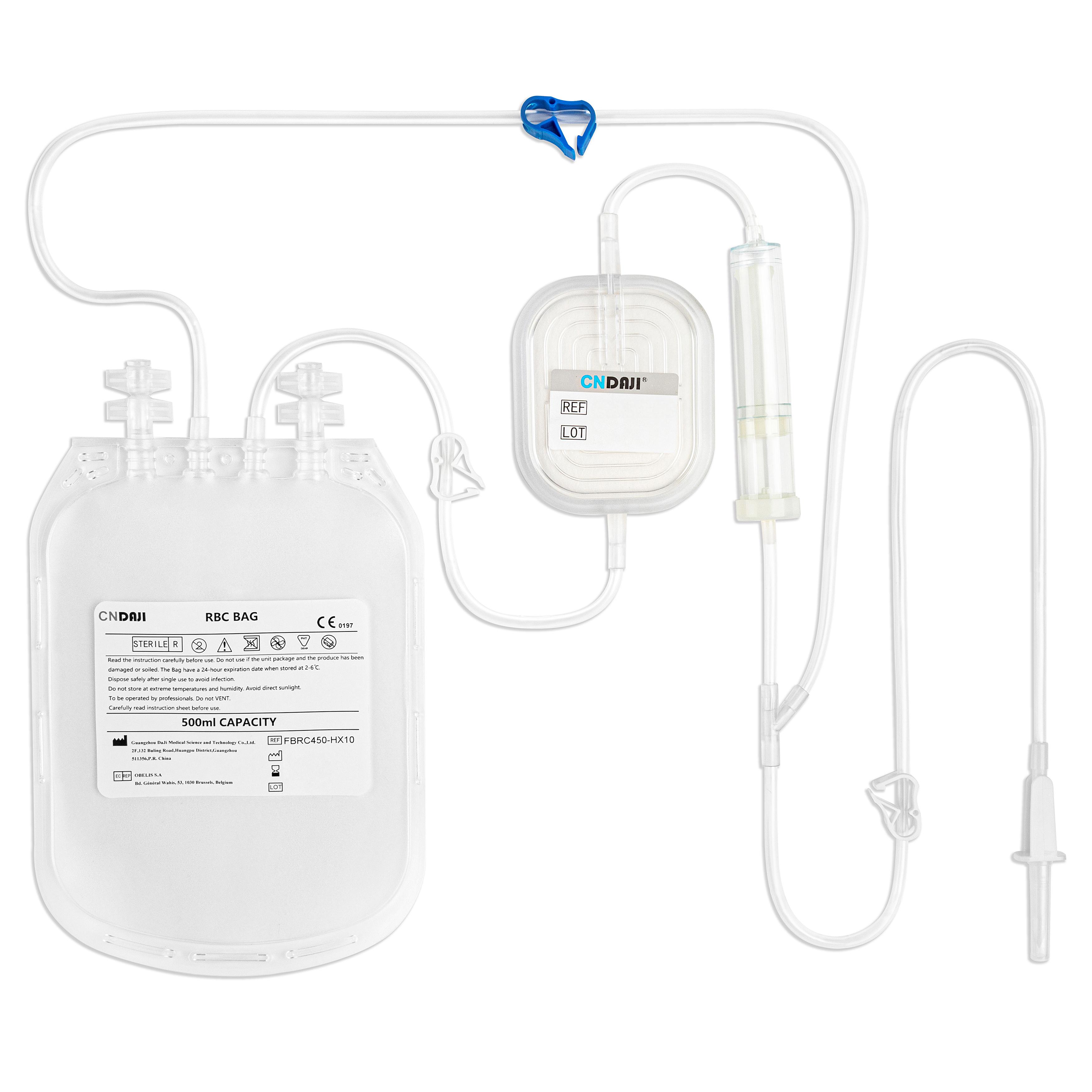
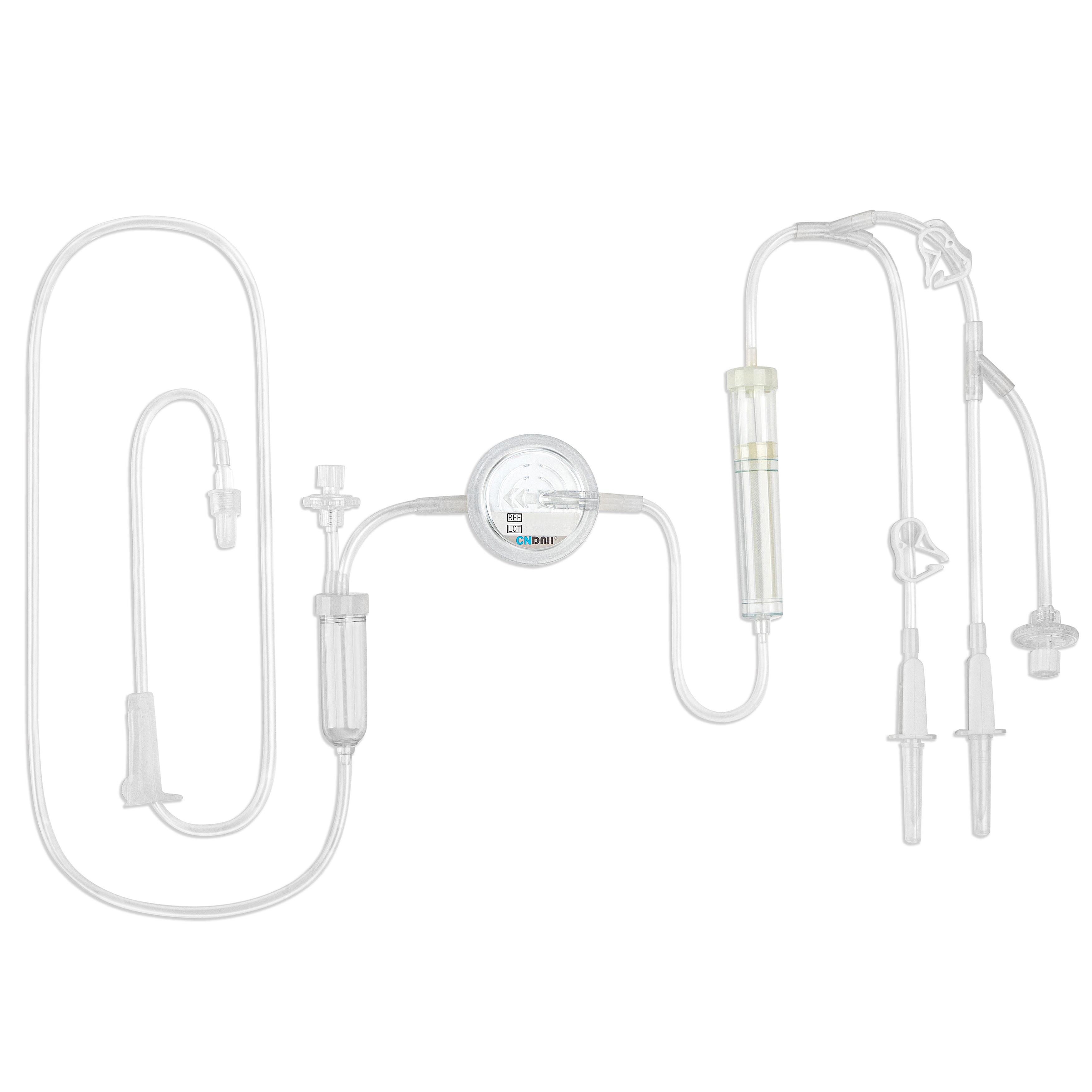
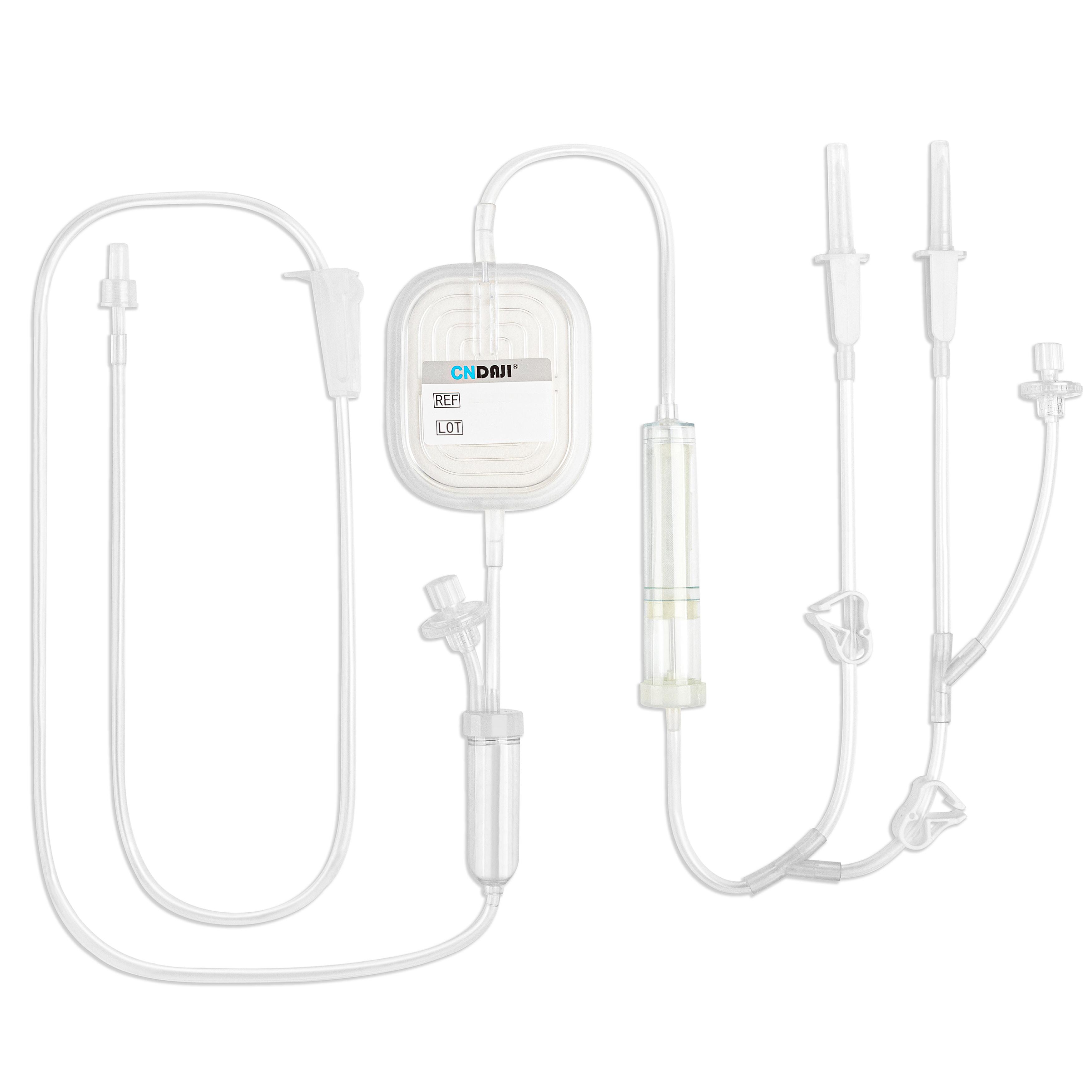
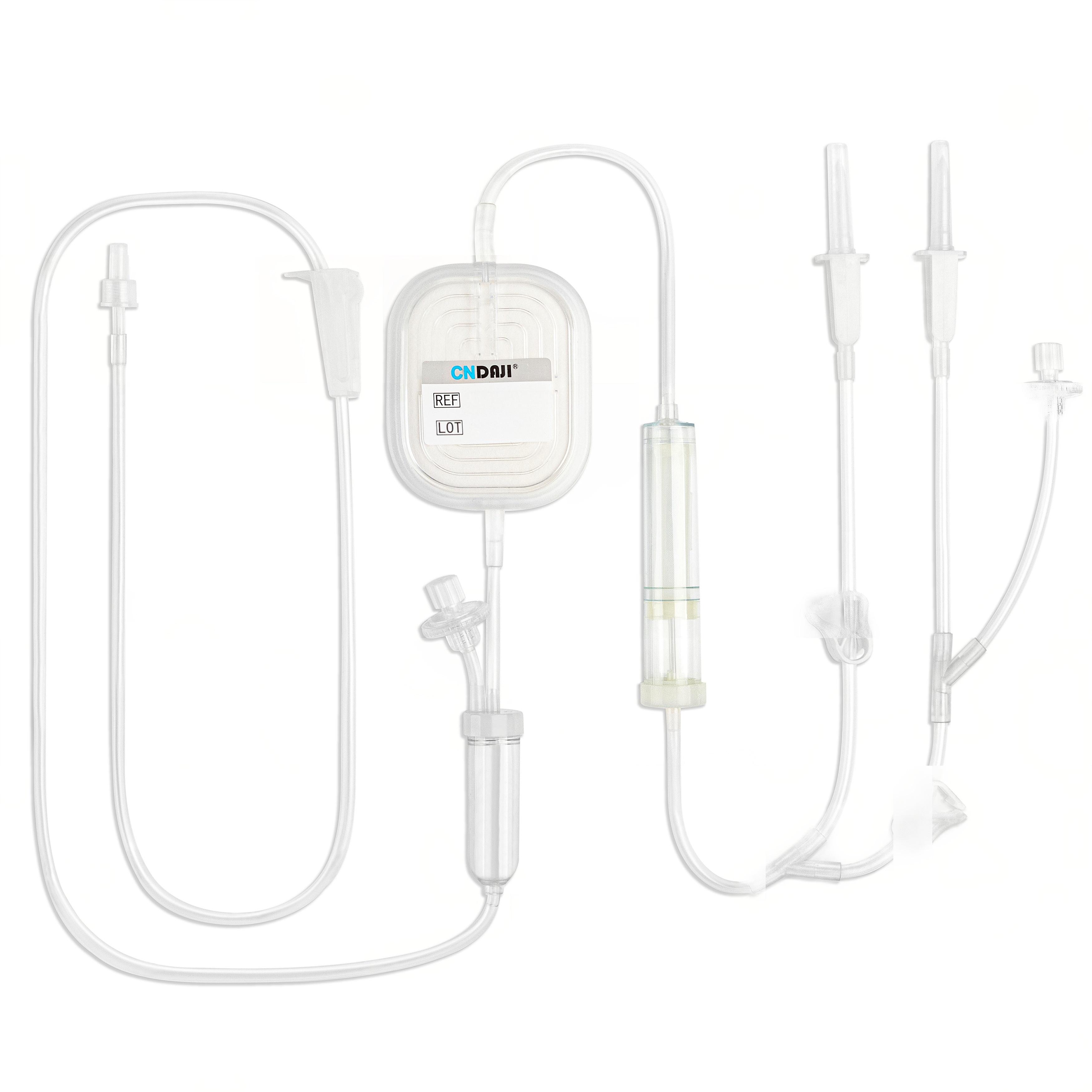
The first distinction is between a standalone filter component and a complete filter set. A standalone RBC filter may be intended for integration into a blood bag system, while a complete set may include tubing, spikes, connectors, clamps, and other components for laboratory or bedside use. A configuration suitable for one workflow should not be assumed to fit another.
OEM and ODM are often used loosely in international sourcing. In an OEM arrangement, the buyer may select an established design or provide an agreed specification for branded supply. An ODM arrangement may involve more supplier-led design development. Because terminology varies, the agreement should define the project scope, design ownership, tooling or drawing ownership, approval rights, and responsibility for regulatory submissions and labeling.
Before discussing logos or carton artwork, define what is actually being supplied: the filter only, an assembled set, or a component for integration into a larger blood collection or processing system. That decision determines the sample configuration, interface requirements, packaging scope, and production controls.
A sample request is useful only when the supplier understands the intended application. Start with the end user's workflow and work backward to the filter configuration. The goal is to give the manufacturer enough information to recommend a suitable existing model or identify the gaps that require engineering review.
Clarify the following points in a written project brief:
• Intended application: blood bank processing, laboratory use, bedside transfusion, or in-line integration with a blood bag system.
• Product format: standalone filter, complete leukocyte reduction filter set, or filter component supplied for integration.
• Processing requirements: RBC unit or volume, expected filtration conditions, flow or filtration-time expectations, and the user's operating procedure.
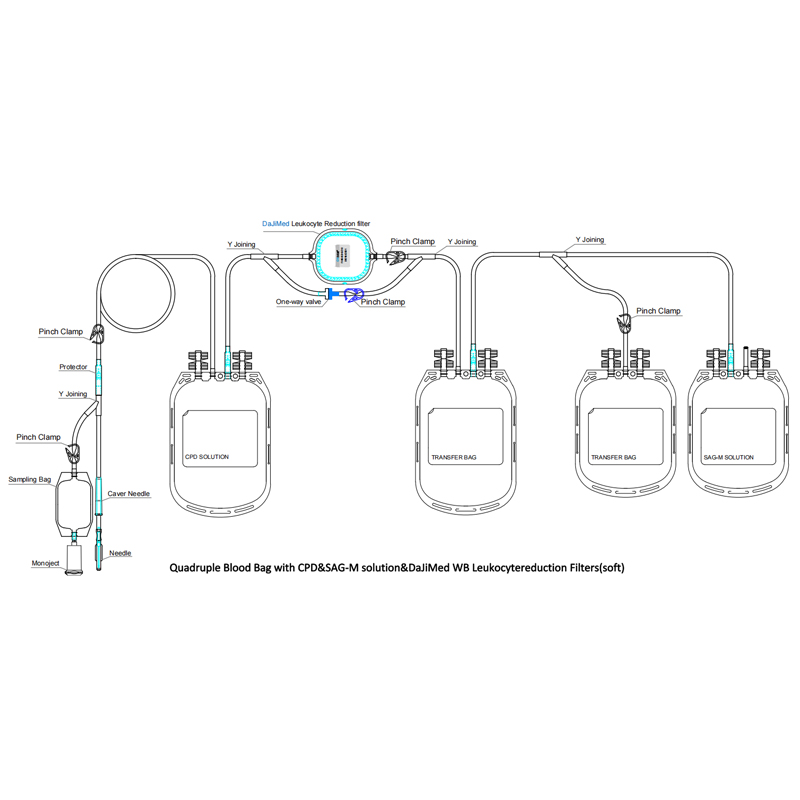
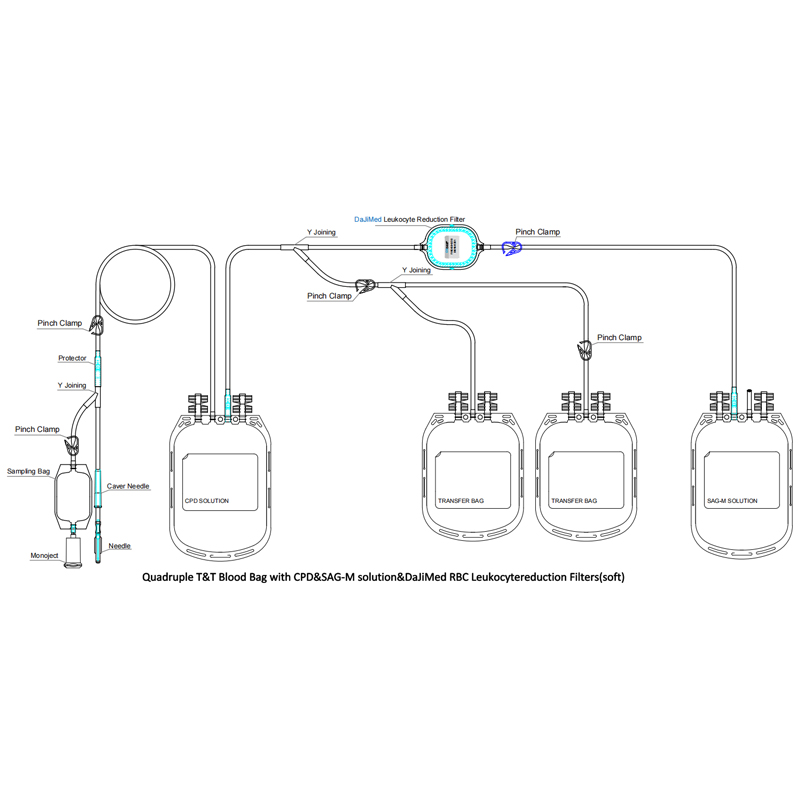
• Connection design: spike type and number, tubing dimensions, connector type, clamp position, and compatibility with the existing blood bag or transfusion system.
• Performance requirements: residual leukocyte target, RBC recovery, hemolysis, filtration time, hold-up volume, and any other acceptance criteria required by the customer or market.
• Materials and configuration: filter membrane, housing material, tubing, connectors, and any material restrictions such as latex-free requirements.
• Commercial scope: target market, estimated annual demand, initial order quantity, forecast frequency, packaging level, labeling language, and expected launch date.
• Documentation: technical data, instructions for use, applicable conformity documents, and any market-specific information needed for the buyer's regulatory review.
This brief should distinguish mandatory requirements from preferences. For example, a specific connector interface may be essential for system compatibility, while a preferred carton design may be flexible. Separating the two helps the supplier propose a practical configuration without changing a critical requirement by mistake.
The next decision is whether an existing RBC filter platform can meet the application or whether a new configuration is necessary. Starting with an established design can reduce development work, but only if the intended use, interfaces, and performance requirements align with the product's validated configuration.
When comparing available models, review more than the product name. Laboratory and bedside filter sets may have different tubing and spike arrangements. HE and HX grades may specify different residual leukocyte levels. Standalone in-line filters may use a different housing or connection format from a ready-to-use filter set. The buyer should compare the complete configuration against the intended workflow rather than choosing by one headline specification.
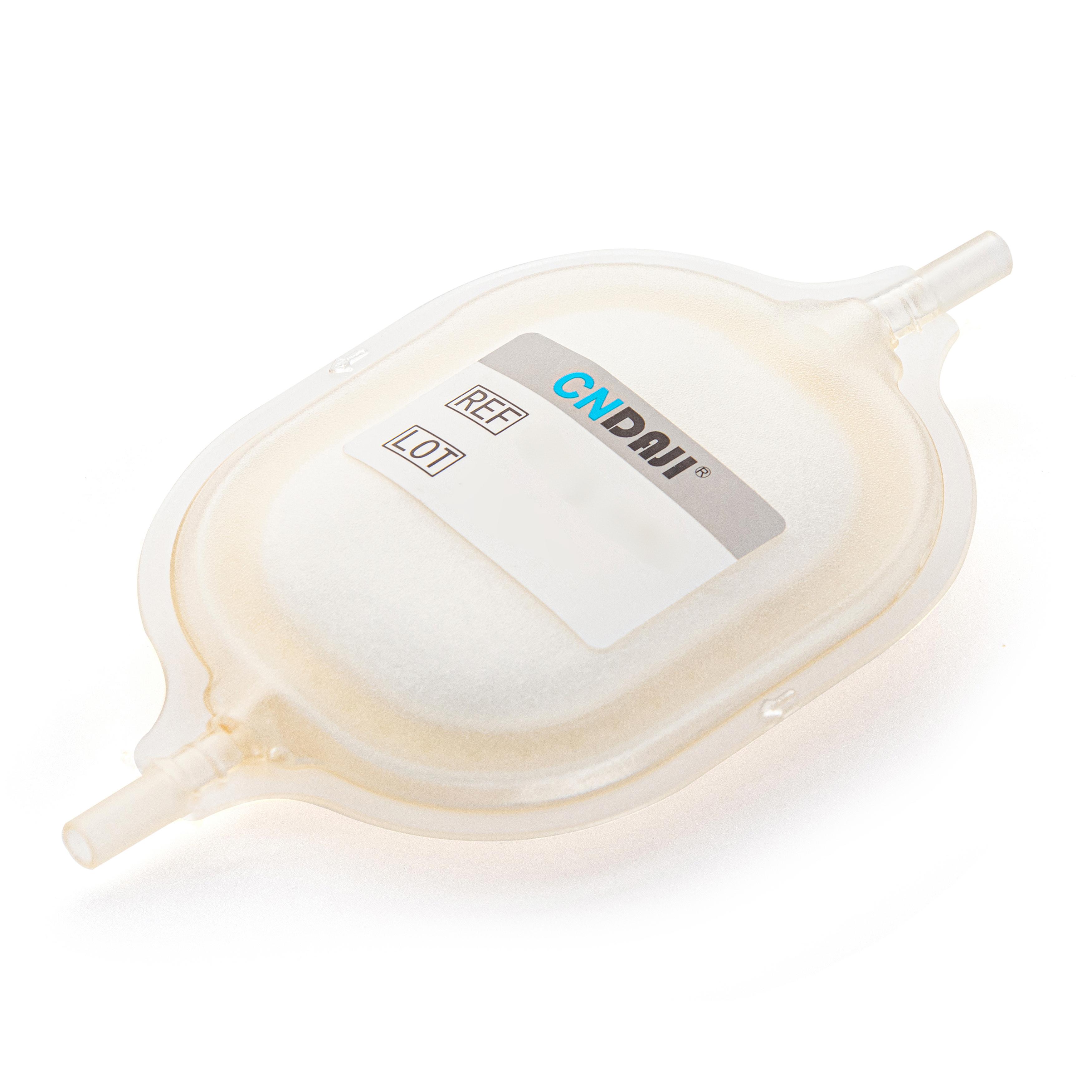
For example, an RBC filter range may include non-woven polyester filter media, hard polycarbonate housings, or soft PVC housings depending on the model and application. Material, housing geometry, tubing, and sterilization compatibility should be treated as configuration-specific details. A change to one of these elements can affect assembly, handling, compatibility, or product performance and should not be treated as a cosmetic adjustment.
Review the available RBC Leukocyte Filters as a reference for the different RBC filter formats and configurations used in blood bank, laboratory, bedside, and in-line applications. If an existing platform is close but not fully suitable, document the requested changes one by one. The supplier should identify which changes are feasible, which require design review or testing, and which could affect regulatory documentation.
Do not approve a sample based on an informal promise that a production version will be modified later. The sample should represent the configuration that the buyer is actually evaluating, or every difference should be recorded and resolved before approval.
Sample evaluation should be planned before the samples arrive. A written acceptance plan prevents the project from relying on subjective feedback such as 'the filter looks good' or 'the flow seems acceptable.' It also creates a shared reference for the supplier, brand owner, and any technical or quality team involved in approval.
The plan should identify the sample model and revision, test conditions, acceptance criteria, test method, responsible reviewer, and required records. Where the filter is intended to connect with another device or blood bag system, evaluate the complete interface rather than testing the filter in isolation.
A practical sample review can cover four areas:
1. Configuration and fit: confirm the model, housing, tubing length, spike arrangement, connector dimensions, clamp position, and compatibility with the intended system.
2. Handling and workflow: assess ease of setup, priming requirements where applicable, orientation, connection security, operator handling, and whether the configuration fits the user's actual process.
3. Functional performance: test the agreed filtration parameters under defined conditions, including residual leukocyte level, RBC recovery, hemolysis, filtration time, and hold-up volume where these are part of the product specification.
4. Presentation and packaging: review the product identification, protective packaging, label layout, instructions, and any brand-specific presentation requirements included in the project scope.
Use representative samples and record the test conditions. Results can be misleading if the sample is evaluated with a different blood volume, setup, temperature, or operating procedure from the conditions used to define the acceptance criteria. If a result falls outside the agreed range, record the deviation and determine whether it comes from the sample configuration, test method, operator handling, or an unresolved design issue.
Sample approval should be based on documented evidence, not only visual inspection. If a buyer requires testing by an external laboratory or an internal clinical or technical team, agree on the sample quantity, test protocol, and responsibility for costs before the evaluation begins.
Once the sample passes evaluation, the next task is to make sure the approved version can be reproduced. A physical sample by itself is not a sufficient production specification. The approval package should identify every detail that affects product identity, function, assembly, or presentation.
At minimum, the approved package should include:
• Product model and revision number, with a clear description of the intended application.
• Approved drawings or configuration documents showing dimensions, interfaces, tubing, spikes, connectors, and assembly details as applicable.
• Material and component specifications, including approved alternatives if any are permitted.
• Functional performance requirements and the agreed test methods and acceptance limits.
• Approved sample identification, photographs where useful, and a signed sample approval record.
• Label artwork, product name, catalog number, language versions, packaging configuration, and instructions for use where included in scope.
• A list of open issues, approved deviations, and changes that require written authorization before implementation.
This stage is often called design freeze or specification freeze. It does not mean that the product can never change. It means that both parties have agreed which version is being transferred into pilot production and how future changes will be reviewed. If the buyer changes the label, connector, tubing, membrane, housing, or packaging after approval, the impact should be assessed before the change is released.
Retain an approved reference sample where the quality agreement and applicable procedures allow it. The reference sample can help resolve later questions about appearance, assembly, and configuration, but it should always be used together with the controlled specification and test records.
A pilot batch is the bridge between sample approval and mass production. It checks whether the approved configuration can be manufactured using the intended production equipment, assembly sequence, components, and inspection methods. A successful prototype does not automatically demonstrate that the same result can be achieved repeatedly on a production line.
The pilot plan should define the quantity, production route, inspection points, test sample size, acceptance criteria, and approval authority. The quantity should be selected according to product complexity, process risk, and the evidence needed by both parties; there is no universal pilot quantity suitable for every RBC filter project.
During the pilot, review the consistency of incoming components, membrane handling, housing assembly, tubing connections, bonding or joining operations where applicable, and final product inspection. Record assembly issues, rework, scrap, test failures, and any process adjustments. A pilot report should explain whether the observed issues were corrected and whether the revised process was checked again.
The pilot should also confirm that the packaging and labeling workflow can be executed accurately at the planned production rate. If the product is supplied under a private label, verify that the correct brand artwork, product code, language, and packaging quantity are used. Label or carton errors can create costly delays even when the filter itself meets its technical specification.
Move to mass production only after the pilot results have been reviewed and the required approvals have been recorded. If a pilot fails, identify the cause and repeat the relevant verification rather than treating the first production run as an informal extension of sample testing.
Mass production requires more than confirming that the factory can make the product. The buyer and manufacturer need a supply plan that connects demand forecasts, component availability, production capacity, inspection resources, and delivery schedules.
Start with a realistic demand forecast. Separate the initial launch quantity from the expected recurring order volume, and identify seasonal or project-based fluctuations if they are known. Confirm the manufacturer's minimum order quantity, standard production lead time, capacity assumptions, and the point at which a forecast becomes a firm purchase order. These commercial terms should be confirmed for the specific model and packaging configuration rather than assumed from another product.
Agree how orders will be released and how shortages or schedule changes will be communicated. For products with long component procurement cycles, an agreed forecast window can help both parties plan materials. The buyer should also decide whether to hold safety stock, how to handle urgent replenishment, and what delivery documents are required for each shipment.
Quality controls should remain consistent with the approved specification. Typical checkpoints include incoming inspection of critical components, in-process checks during assembly, final product inspection, and review of required production records before release. The specific controls and sampling levels should be established by the manufacturer through its quality system and aligned with the customer's requirements.
A stable mass-production arrangement also needs a clear change-control process. Changes to membrane materials, housing design, suppliers, tubing, connectors, assembly methods, sterilization arrangements, packaging, or manufacturing location may affect the approved product. The manufacturer should notify the customer and assess the change before implementation when required by the agreed quality and regulatory procedures. Unapproved substitutions can make a previously approved sample an unreliable reference for later deliveries.
Private-label presentation should be finalized before the first commercial batch, not after production has started. The parties should agree who supplies the brand artwork, who checks translations, who approves proofs, and who is responsible for confirming that the final label and instructions meet the requirements of the destination market.
Depending on the product and market, labeling may need to identify the product name, model or catalog number, intended use, manufacturer and other responsible economic operators, lot or batch information, expiration information, storage conditions, sterilization information, and applicable symbols or UDI elements. The exact requirements depend on product classification, market rules, and the legal roles of the parties. Do not copy a label from another market without a regulatory review.
Before artwork release, check that the product name and catalog number match the technical specification, the packaging quantity matches the purchase order, and all language versions are consistent. Confirm that any change to a label or instruction does not alter the intended use or introduce a claim that has not been reviewed. Keep the approved artwork revision linked to the production order so that obsolete versions are not used by mistake.
Approving a sample based on appearance alone. A sample must be evaluated against agreed configuration and performance criteria. Appearance is only one part of approval.
Changing critical details after sample approval. Changes to connectors, tubing, materials, housing, or packaging may require renewed review. Freeze the specification before the pilot run.
Treating an OEM project as a logo-printing exercise. Branding is only one workstream. Product fit, functional performance, manufacturing repeatability, labeling, and market requirements must be coordinated.
Skipping the pilot batch. A successful engineering sample does not prove that a production line can reproduce the same configuration at volume.
Placing a large order without a demand and replenishment plan. Unclear forecasts, lead times, and order-release rules can create avoidable inventory or supply interruptions.
Assuming every model can be customized in the same way. Different RBC filter types and configurations have different design constraints. Confirm feasibility for the selected model instead of generalizing from another product.
Potentially, yes. A project may start from an existing OEM-supply model or an available configuration, but brand labeling, packaging, documentation, and market responsibilities must be reviewed and agreed with the manufacturer. The availability of each option should be confirmed for the selected model and order scope.
Provide the intended application, product format, target market, required filter configuration, key performance criteria, connection details, estimated quantity, and any relevant system or blood bag interface information. If you have an existing specification or sample, share it with the supplier so differences can be identified early.
A sample is ready to move forward when it has passed the agreed evaluation, the product configuration and acceptance criteria are documented, the approved version is frozen, and any required technical or regulatory reviews are complete. A pilot batch should then demonstrate that the approved design can be reproduced using the intended production process.
There is no single number for every project. The required quantity depends on the test plan, the number of configurations, the performance tests, and whether the buyer or an external laboratory must conduct additional evaluations. Agree on sample quantities and test responsibilities before dispatch.
Changes may be possible, but they should go through a documented change-control review. The parties should assess whether the proposed change affects fit, function, materials, performance, labeling, packaging, or regulatory documentation. The revised version should not be mixed with the previously approved configuration without clear identification and authorization.
A successful private-label RBC filter project depends on disciplined coordination from the first sample request to the first commercial production order. Defining the application, agreeing on measurable acceptance criteria, documenting the approved configuration, completing a pilot batch, and controlling later changes give buyers a practical way to reduce development delays and improve production consistency.
DaJiMed supports blood bag manufacturers, medical distributors, and healthcare partners with RBC leukocyte filtration products and OEM supply options. With more than 20 years of experience in leukocyte filtration and a range of RBC filter configurations for laboratory, bedside, and in-line applications, DaJiMed can discuss sample evaluation, technical requirements, and volume supply planning for your private-label project. For OEM supply discussions, sample evaluation, and volume planning, contact DaJiMed to review the right RBC filter configuration for your project.


2F, No. 132 Buling Road, Huangpu District, Guangzhou, P.R.China



Copyright © Guangzhou DaJi Medical Science and Technology Co., Ltd. All Rights Reserved Sitemap | Powered by